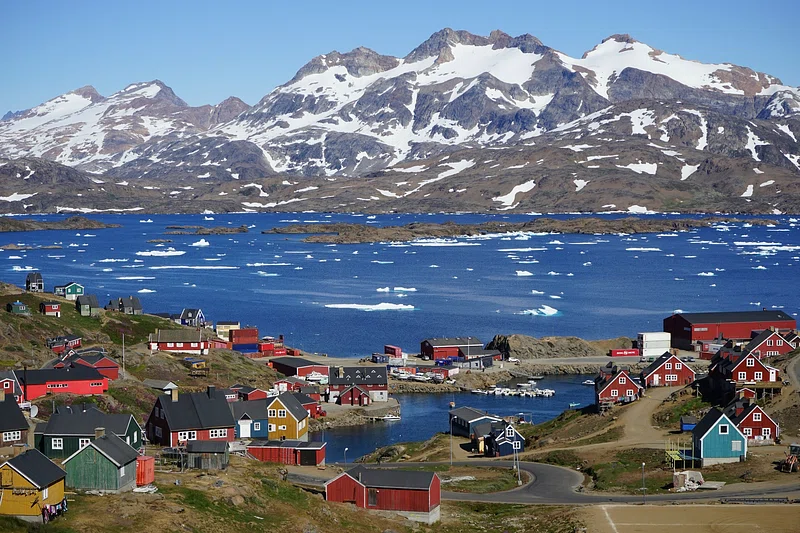
Perched on Greenland’s southwestern coast, Nuuk stands as the world’s northernmost capital, encircled by towering glacial peaks that define its dramatic landscape. This Inuit-influenced city blends modern life with ancient traditions amid ice-capped mountains, offering a unique blend of culture, adventure, and natural beauty. For those querying “Nuuk Greenland city glacial peaks,” this article explores its history, geography, daily life, and future, highlighting why Nuuk is an emerging destination for intrepid travelers seeking the Arctic’s raw splendor.
Geography and Natural Surroundings of Nuuk
Nuuk, meaning “cape” in Greenlandic, sits at the mouth of Nuup Kangerlua fjord, surrounded by serrated peaks like Sermitsiaq Mountain (1,210 meters). These glacial formations, remnants of the Greenland Ice Sheet, create a stunning backdrop of icebergs and frozen valleys.
The city’s location at 64°N latitude means extreme seasons: midnight sun in summer and polar nights in winter. Glacial melt feeds rivers, shaping the terrain with moraines and lakes. Climate change accelerates ice loss, raising sea levels but also revealing ancient artifacts preserved in permafrost.
Nuuk’s harbor, ice-free most of the year, supports fishing and shipping, vital to its economy. Hiking trails like those to Quassussuaq offer views of glacial peaks, where visitors spot wildlife like reindeer and arctic foxes.
History and Cultural Heritage
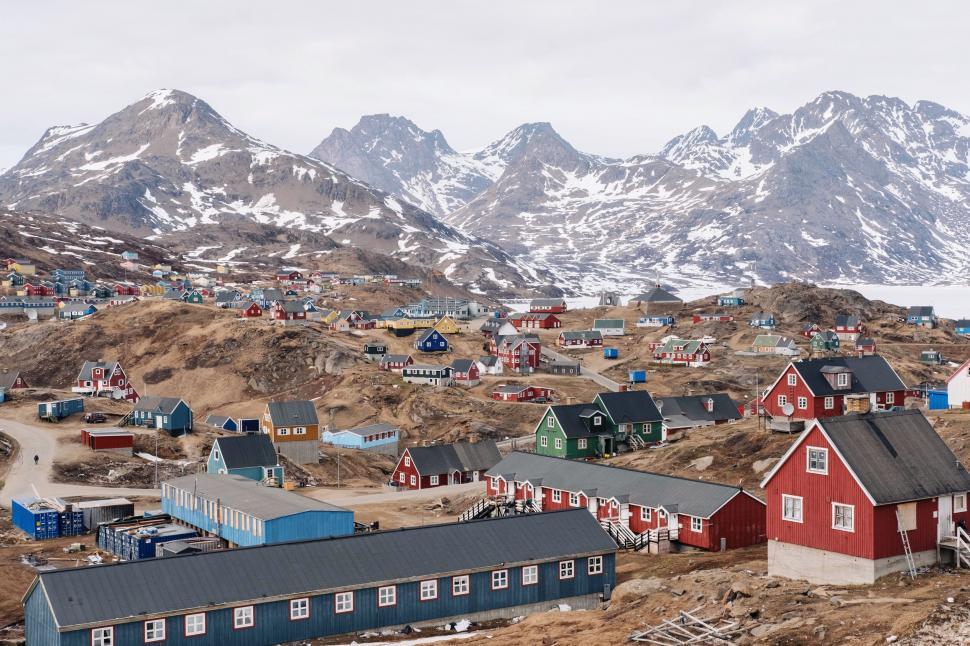
Founded in 1728 by Norwegian missionary Hans Egede, Nuuk (formerly Godthåb) grew from a colonial outpost to Greenland’s administrative hub. Inuit roots trace back 4,500 years to the Saqqaq culture, with artifacts at the Nuuk Art Museum showcasing ivory carvings and kayaks.
Danish influence lingers in architecture, but post-1979 home rule empowered Inuit governance. Today, Nuuk’s 18,000 residents mostly Inuit celebrate traditions through festivals like the National Day on June 21, featuring drum dances against glacial vistas.
The Greenland National Museum houses mummies from the 15th century, preserved by cold peaks, offering insights into pre-colonial life. For cultural immersion, visit Katuaq Cultural Centre, blending modern design with Inuit motifs.
Daily Life and Economy in a Glacial Enclave
Life in Nuuk revolves around the harsh yet beautiful environment. Winters bring auroras dancing over peaks, while summers allow boating amid calving glaciers. Residents adapt with insulated homes and snowmobiles, embracing “sila” – the Inuit concept of weather as life force.
Economically, fishing dominates, with halibut and shrimp exports. Tourism surges, drawn to glacial adventures like helicopter tours over the ice sheet. Mining rare earths in nearby peaks promises growth, though environmental concerns loom.
Education and healthcare are advanced, with the University of Greenland fostering research on glacial dynamics. Cuisine features local delicacies like mattak (whale skin) and muskox, served in cafes overlooking fjords.
Adventure and Tourism Opportunities
Nuuk is a gateway to Arctic exploits. Hike to glacial peaks via trails like the one to Ukkusissat, rewarding with panoramic views. Whale-watching tours spot humpbacks against icebergs, while dog-sledding traverses frozen landscapes.
Luxury glamping options offer heated tents with peak views, blending comfort with wilderness. For adrenaline seekers, ice climbing on nearby glaciers provides thrills. SEO terms like “Nuuk Greenland glacial peaks” lead to packages including cultural tours and northern lights hunts.
Sustainable tourism is emphasized, with operators adhering to low-impact guidelines to preserve the fragile ecosystem.
Challenges and Future Prospects Amid Climate Change
Glacial peaks around Nuuk face rapid melting, threatening infrastructure with rising seas and permafrost thaw. The city adapts through resilient building and international research collaborations, like those with NASA on ice sheet monitoring.
Economically, thawing opens shipping routes but risks cultural erosion as traditional hunting grounds shrink. Initiatives like the Nuuk Climate Action Plan aim for carbon neutrality by 2030, leveraging renewable hydro from glacial melt.
Culturally, youth programs blend Inuit knowledge with science, ensuring heritage endures. As global interest grows, Nuuk positions itself as a model for Arctic sustainability.
In closing, Nuuk’s embrace by glacial peaks embodies the Arctic’s allure and fragility, inviting visitors to witness a city where nature and humanity harmonize in icy splendor.
