

A Hidden Giant Beneath the Waves
Nestled in the tropical waters of Indonesia, Banua Wuhu is a submarine volcano that captures the imagination of geologists and ocean lovers alike. Unlike towering volcanic peaks that rise above land, this geological marvel remains submerged, teasing explorers with its underwater heat, turbulence, and seismic secrets.
What Is Banua Wuhu?
Banua Wuhu is a submarine volcano, meaning it’s an eruptive vent located under the ocean surface. It’s part of the Pacific Ring of Fire, a horseshoe-shaped zone famous for intense volcanic and earthquake activity. Though it doesn’t make headlines like Mount Merapi or Krakatoa, Banua Wuhu plays an intriguing role in understanding volcanic behavior beneath the sea.
Submarine volcanoes are harder to track than surface volcanoes, but advances in marine geology, sonar mapping, and underwater drones help scientists study their activity.
How Was Banua Wuhu Discovered?
Banua Wuhu first drew scientific attention in the early 20th century when fishermen reported unusual sea discoloration and floating pumice. Later expeditions confirmed seismic activity on the seafloor, revealing the volcano’s presence. Modern technologies including multibeam sonar and satellite monitoring allow researchers to observe underwater volcanic features more precisely than ever.
What Makes Submarine Volcanoes Unique?
Submarine volcanoes like Banua Wuhu differ from their terrestrial siblings in several ways:
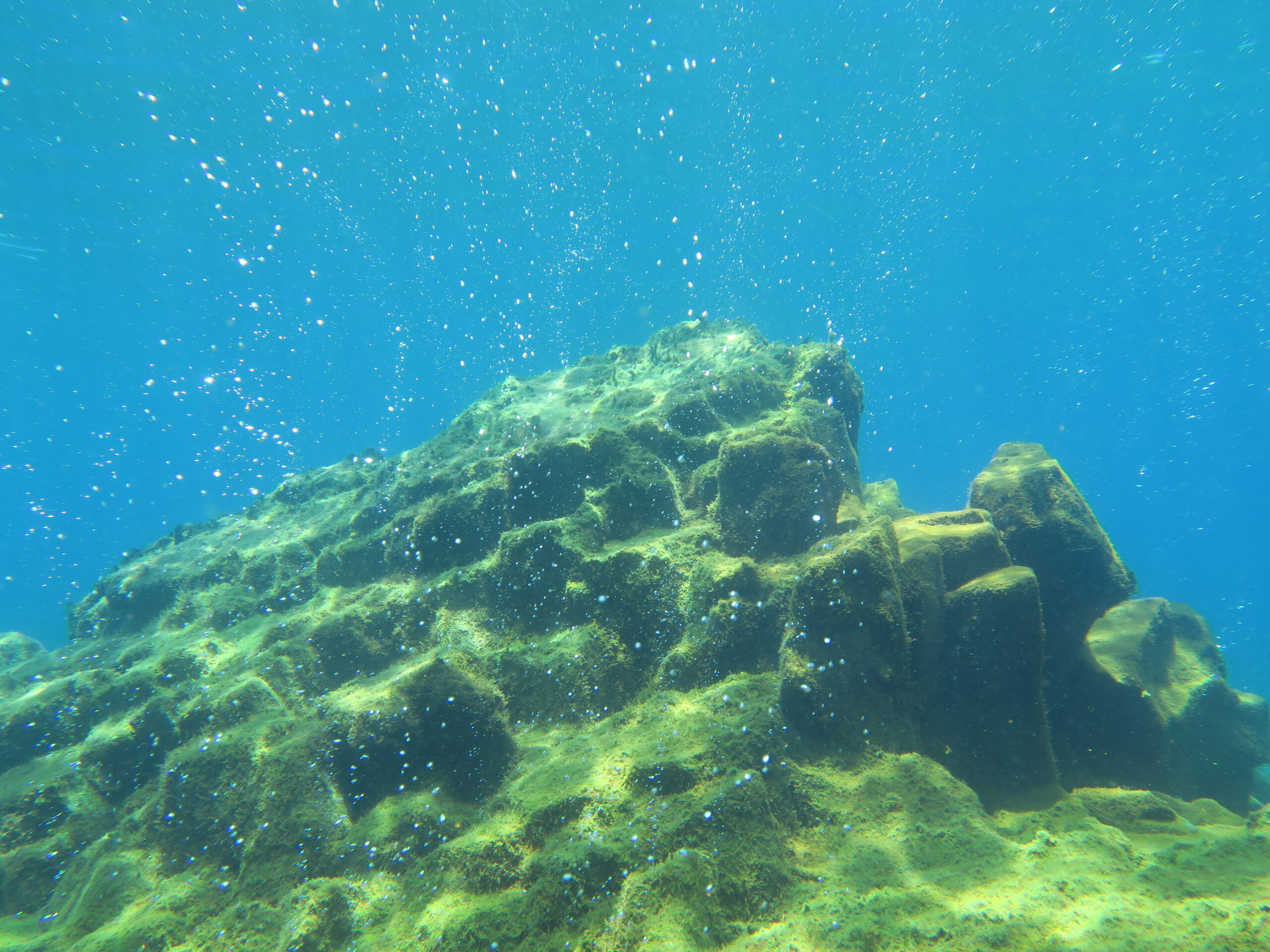
- Pressure and Cooling: The ocean’s depth creates extreme pressure, cooling lava rapidly into unique rock formations.
- Hydrothermal Vents: These vents release mineral-rich fluids, supporting unique ecosystems unlike anything on land.
- Limited Eruption Visibility: Without explosive ash clouds, many submarine eruptions go unnoticed unless they disturb the water surface.
Banua Wuhu’s eruptions can produce floating volcanic rocks and heated plumes, clues that help scientists infer undersea activity.
Banua Wuhu’s Geological Significance
Why should we care about a volcano that’s underwater?
Natural Laboratory
Banua Wuhu provides a real-world laboratory to study:
- Volcanic processes under high pressure
- Seafloor spreading and subduction zone dynamics
- Interactions between magma and seawater
This helps improve volcanic hazard models which can protect coastal communities.
Impact on Marine Life
Although intense heat and toxic minerals might seem hostile, submarine volcanic sites often become biological hotspots. Hydrothermal vents support organisms that thrive in extreme conditions, such as heat-tolerant bacteria and unique crustaceans. Over time, these ecosystems become havens of biodiversity.
Monitoring and Future Research
Indonesia’s maritime position demands improved monitoring of underwater volcanoes like Banua Wuhu. Scientists are deploying:
- Seismic arrays
- Autonomous underwater vehicles (AUVs)
- Satellite remote sensing
These tools help detect early signs of activity and protect fisheries and coastal towns from unexpected sea disturbances.
Mystery Below the Waves
Banua Wuhu may be hidden beneath kilometers of ocean, but its influence on science, marine ecology, and natural hazards continues to grow. Exploring this submarine volcano expands our understanding of Earth’s dynamic interior one underwater plume at a time.
