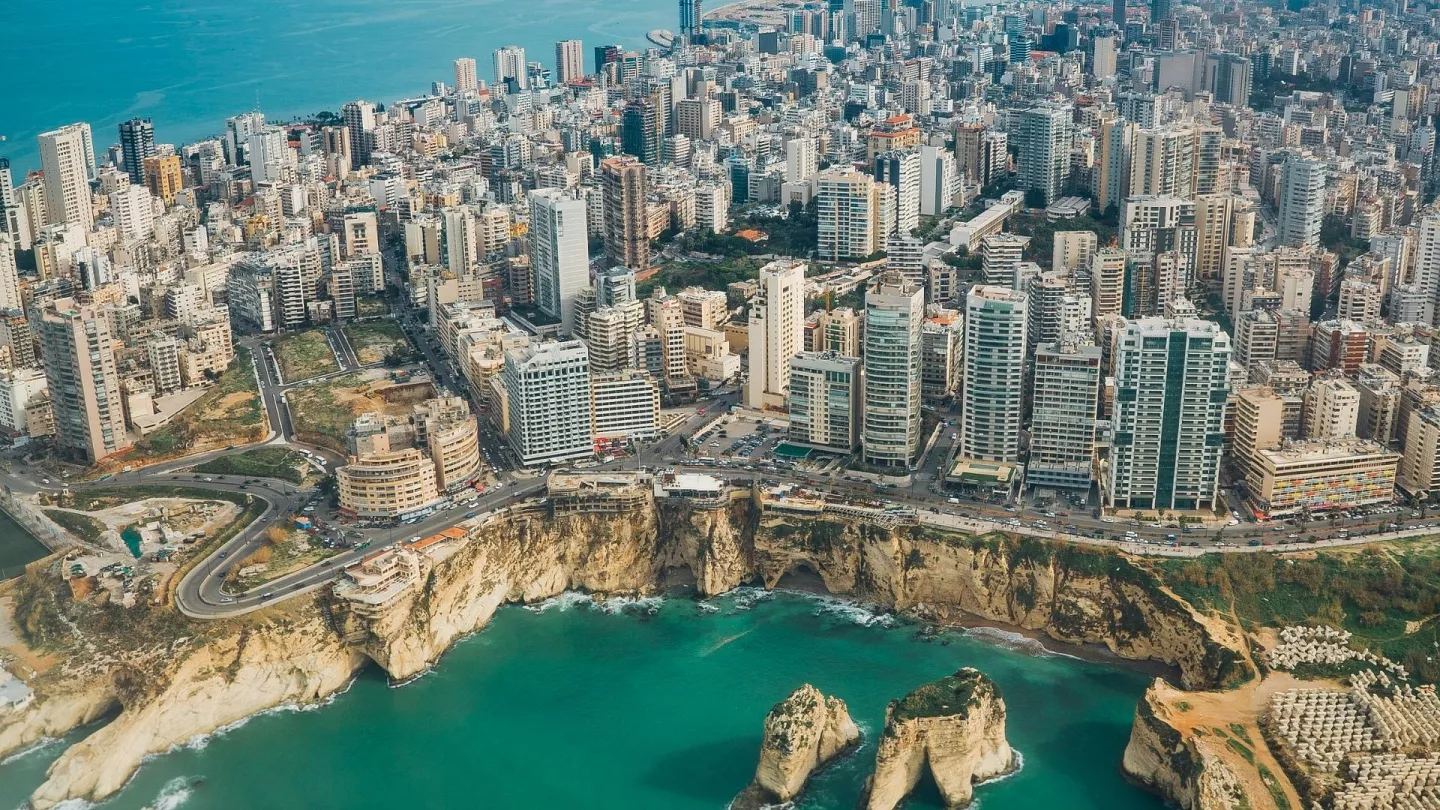
Beirut, Lebanon’s vibrant capital, earned the nickname “Paris of the Middle East” during its golden era in the mid-20th century a title that still captures its unique blend of sophistication, culture, and energy.
Also See : The Ahr Valley Red Wine Trail – Germany’s Northernmost Red Win
In the 1950s–1970s, Beirut was a glamorous hotspot:
- French-influenced architecture, chic cafes, luxury boutiques, and a thriving arts scene made it the region’s fashion, banking, and nightlife capital.
- It attracted intellectuals, celebrities, and tourists with its mix of Mediterranean beaches, snowy mountains nearby, and a cosmopolitan vibe blending East and West.
- Even today, despite challenges, Beirut retains echoes of that era: elegant corniche promenades, historic souks reborn as modern malls, world-class restaurants, and a legendary nightlife scene.
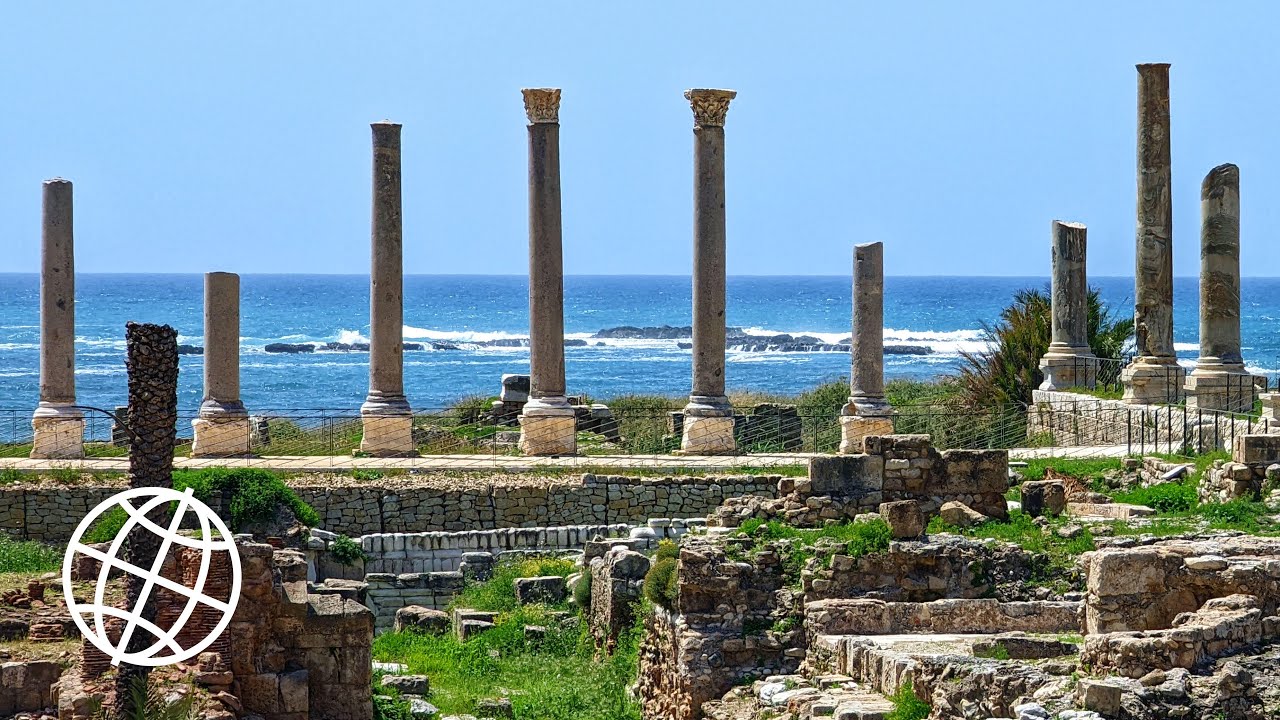
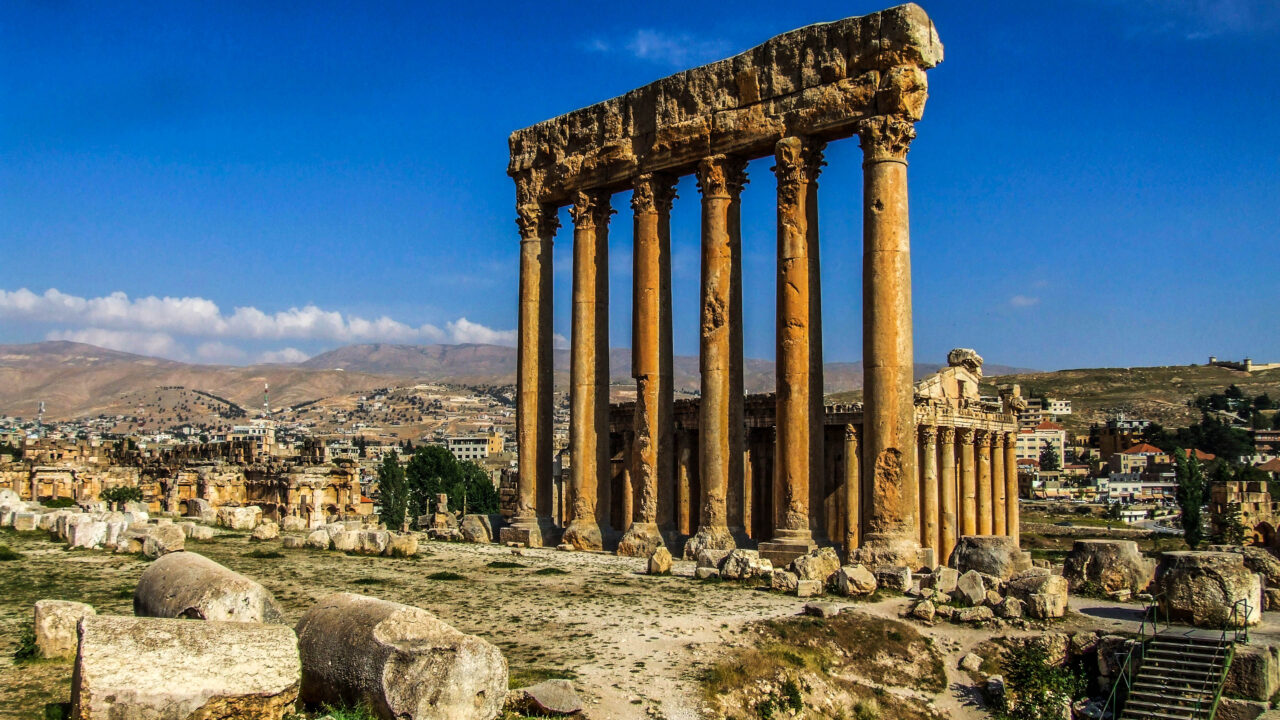
What sets Beirut apart: Few cities combine ancient Phoenician roots, Roman ruins, Ottoman charm, French colonial elegance, and modern skyscrapers in such a compact, resilient package earning it a reputation as the most “European” city in the Arab world while staying deeply Lebanese.
