




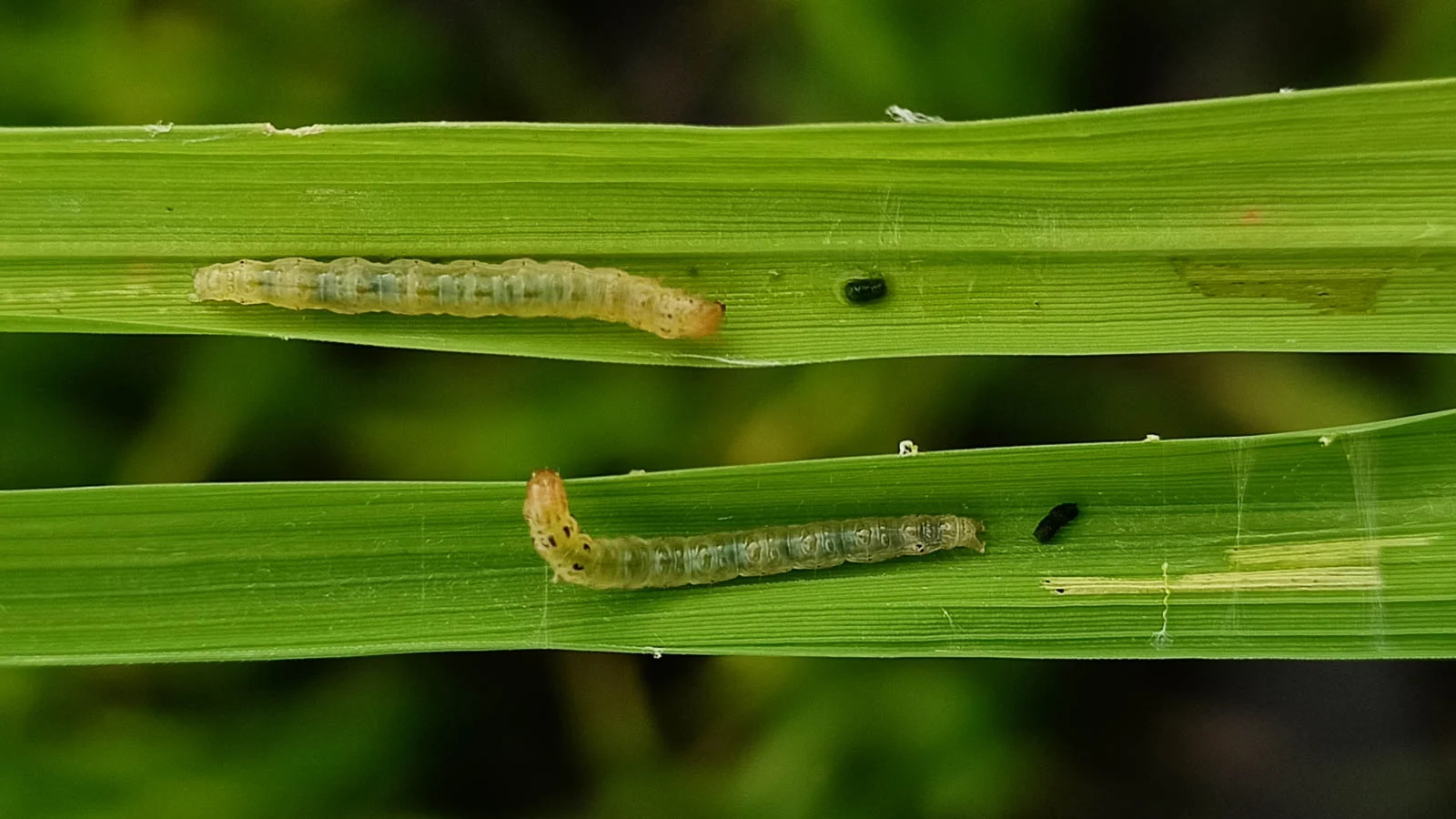
Discover the intriguing world of leafroller caterpillars the clever larvae that spin silk to roll leaves into protective shelters. These small but ingenious insects, belonging mainly to the Tortricidae family (tortrix or leafroller moths), are found worldwide and are famous for their unique behavior of curling and tying leaves to hide, feed, and pupate.
How Do Leafroller Caterpillars Roll Leaves?
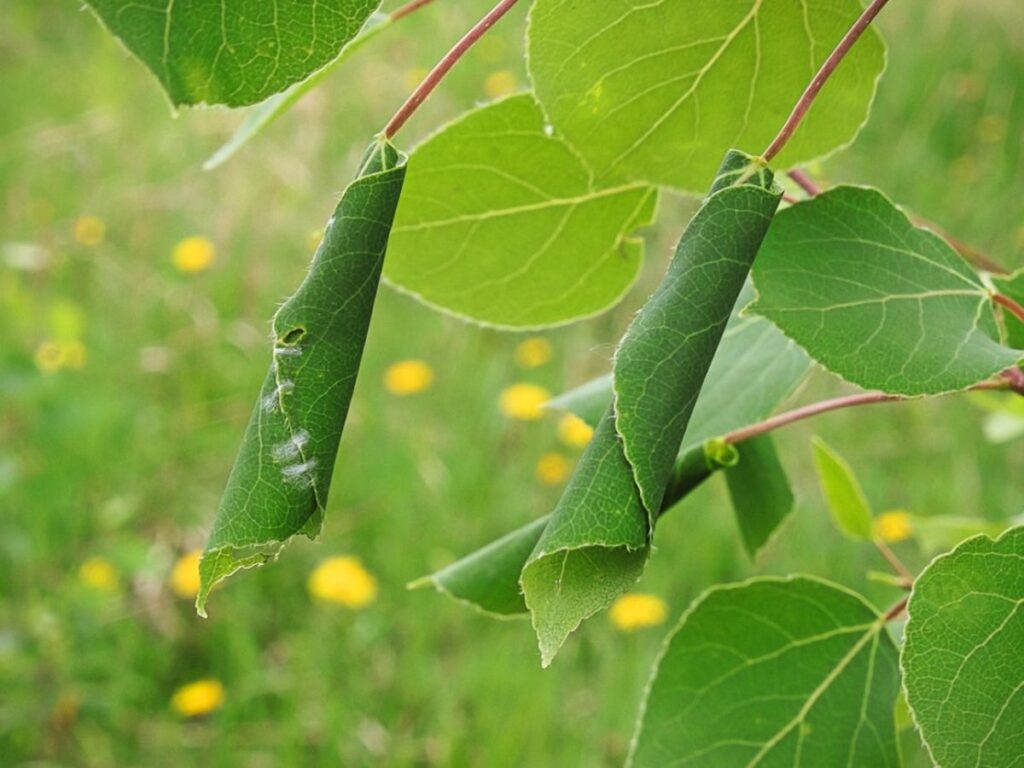
Leafrollers are the larval stage of certain moths. Young caterpillars produce strong silk from spinnerets near their mouth. They bite into leaf veins to soften them, then swing their heads rhythmically to lay silk strands, gradually curling the leaf into a tube or folding it over.
This rolled leaf serves as a safe nest: protection from predators, harsh weather, and desiccation. Inside, the caterpillar feeds on the leaf tissue, often skeletonizing it while staying hidden. Some species, like the cherry leaf roller, can complete a roll in minutes of focused spinning!
Common Leafroller Species and Their Impact
Over 11,000 species exist in the Tortricidae family, but notable leafrollers include:
- Obliquebanded leafroller (Choristoneura rosaceana): Common pest on fruit trees like apples.
- Fruittree leafroller (Archips argyrospila): Attacks orchards and ornamentals.
- Canna leafrollers (e.g., larger canna leafroller, Calpodes ethlius): Specialize on canna plants, rolling large leaves.
- Redbanded leafroller (Argyrotaenia velutinana): Prefers apples and can damage fruit.
While often viewed as garden pests causing ragged leaves and reduced plant vigor, leafrollers play ecological roles. Their abandoned rolls become shelters for hundreds of other insects, boosting biodiversity in forests.
Life Cycle of a Leafroller Caterpillar
- Eggs: Laid in masses on leaves or bark.
- Larvae (Caterpillars): Hatch and immediately start rolling leaves for protection. They molt several times, growing up to 1-2 inches.
- Pupa: Form inside the rolled leaf or in debris.
- Adult Moth: Emerges as a small, camouflaged moth to mate and lay eggs.
The cycle repeats 1-3 times per year, depending on climate.
Identifying and Managing Leafroller Caterpillars
Look for:
- Rolled, folded, or webbed leaves.
- Small green-to-brown caterpillars with dark heads inside.
- Frass (droppings) or holes in leaves.
Natural Control Tips:
- Prune and destroy rolled leaves.
- Encourage beneficial insects like parasitic wasps.
- Use Bacillus thuringiensis (Bt), a safe bacterial spray targeting caterpillars.
- Hand-pick for small infestations.
Avoid broad-spectrum pesticides to protect pollinators.
Why Leafroller Caterpillars Are Nature’s Tiny Architects
These caterpillars that roll leaves showcase incredible instinct and silk engineering a survival strategy that’s both clever and essential to ecosystems. From garden nuisance to biodiversity booster, leafrollers remind us of nature’s intricate balance.
