




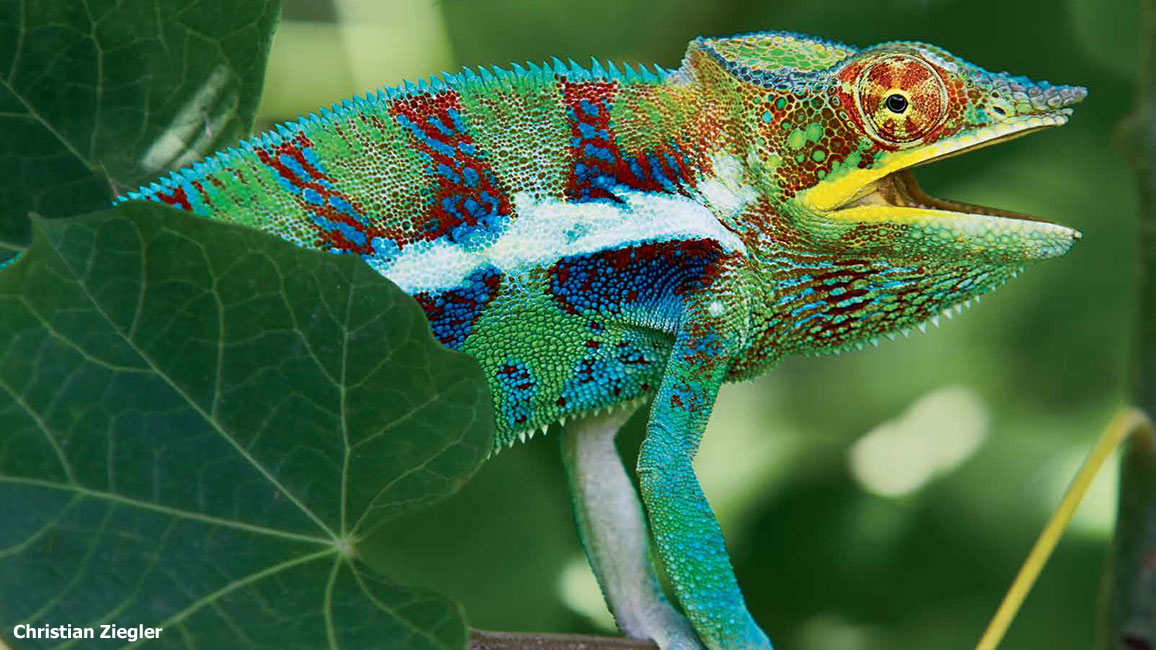
The chameleon is one of the most fascinating animals in the world, known for its incredible ability to change color. While many people believe chameleons shift their colors only to blend into their surroundings, the truth is far more complex. These amazing reptiles can transform their appearance in response to temperature, light, communication needs, and most intriguingly, emotion. Their color changing ability makes them a symbol of adaptation, expression, and biological brilliance.
Masters of Color Transformation
Chameleons belong to a unique branch of reptiles with specialized features not found in any other animal group. Their skin contains layers of cells called chromatophores, which hold pigments and light reflecting crystals. When a chameleon experiences emotional shifts such as excitement, aggression, fear, or stress, these cells expand or contract, altering how light interacts with the skin. This process creates dramatic color transformations, from bright yellows and oranges to deep blues and greens.
Unlike simple camouflage, chameleon color change is a complex form of communication that reveals the emotional state of the animal.
How Emotions Influence Color
Emotional color shifts in chameleons serve important social and survival functions. When a chameleon feels threatened, it may turn darker or display bold patterns to appear intimidating. During moments of excitement or dominance, males often show brighter colors, especially during territorial disputes or courtship displays.
Calm or relaxed chameleons usually show muted greens or browns that help them blend into foliage. This emotional color language allows chameleons to send clear signals to rivals, mates, and predators without making a sound.
Communication Through Color
Chameleons rely heavily on visual signals. A male defending his territory may flash bright colors to warn another male to stay away. If the rival does not retreat, the display may intensify until one backs down. During courtship, males use specific patterns and color blends to attract females or signal readiness to mate.
Females also use color shifts to communicate. A receptive female may show soft, inviting tones, while a pregnant or unreceptive female will display dark or contrasting colors to reject unwanted advances.
Environmental Factors Still Play a Role
Although emotions drive many color changes, environmental conditions are equally important. Chameleons may darken their skin to absorb heat or lighten it to cool down. Sunlight, humidity, and background color can also influence how their chromatophores function. This combination of emotional and environmental responses makes their color system one of the most advanced in the animal kingdom.
Unique Biological Structure
What makes chameleon skin extraordinary is the presence of iridophores, specialized cells that contain tiny crystals capable of reflecting different wavelengths of light. By adjusting the spacing of these crystals, chameleons can shift from warm to cool colors with precision. This biological mechanism is so sophisticated that scientists continue to study it for inspiration in fields such as materials science, adaptive camouflage, and photonic technology.
Behavior and Lifestyle
Most chameleons live in trees and are superb climbers with zygodactyl feet and prehensile tails. Their eyes can move independently, allowing them to scan their environment with almost full panoramic vision. This helps them detect threats, locate food, and interact with other chameleons while staying hidden among branches.
Their hunting method is equally impressive. With lightning fast tongue projection, a chameleon can capture insects in the blink of an eye.
Importance of Color Change in Survival
Color change is vital to a chameleon’s survival. It allows them to avoid predators, communicate intentions, regulate their body temperature, and express emotional states. Without this ability, chameleons would be far more vulnerable in the wild.
The emotional aspect of their color shifts adds another layer to their behavior, showing that these reptiles are far more expressive than many people realize.
The chameleon stands as one of nature’s most extraordinary animals. Its ability to change color based on emotion is a remarkable example of how complex and expressive the natural world can be. By blending communication, physiology, and adaptation, chameleons continue to fascinate scientists and nature lovers alike. Their colorful displays are not just beautiful but deeply meaningful, reflecting the hidden emotional world of one of the planet’s most intriguing reptiles.
