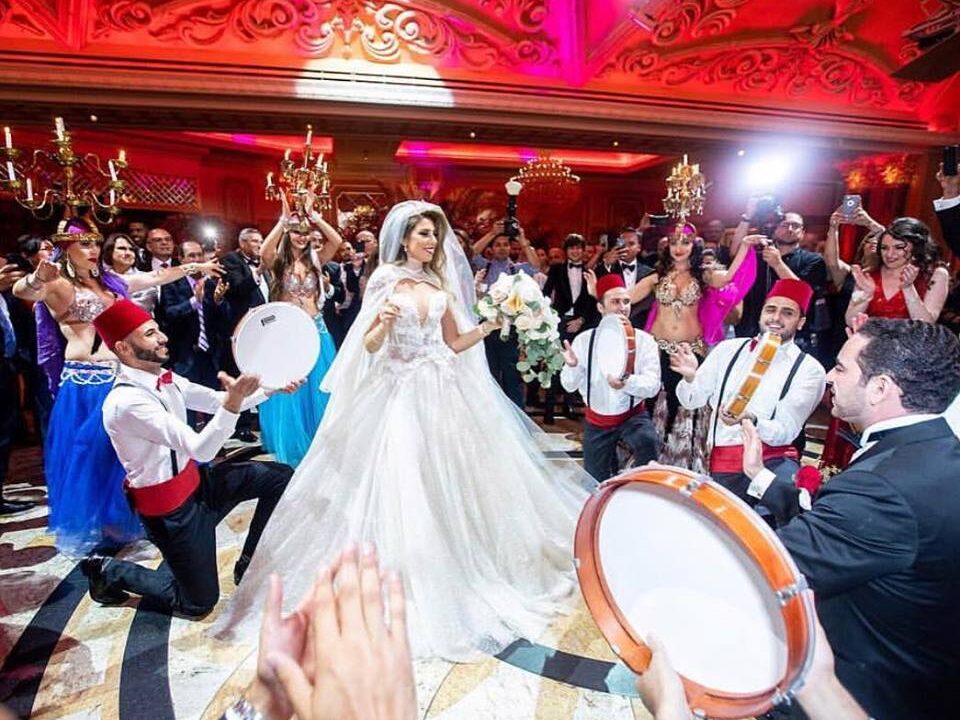
Lebanon boasts a rich tapestry of cultural traditions that reflect its diverse history and vibrant community spirit. Among these, Dabke stands out as a unique and energetic folk dance that has become synonymous with Lebanese celebrations. This line dance, performed at weddings, festivals, and social gatherings, showcases the country’s deep-rooted sense of unity and joy.
The Origins and History of Dabke
Dabke, which means “stomping of the feet” in Arabic, has ancient roots tracing back to the Levantine region, including Lebanon. It is believed to have originated from rural communities where villagers would stomp on rooftops to compact the mud and thatch, turning a practical task into a rhythmic celebration. Over time, it evolved into a performative art form, influenced by Phoenician, Ottoman, and Arab traditions. In Lebanon, Dabke varies by region, with each area adding its own flair whether it’s the fast-paced steps in the mountains or the graceful movements along the coast.
Also See : Man’oushe – Lebanon’s Beloved Za’atar Flatbread Breakfast Staple
How Dabke is Performed
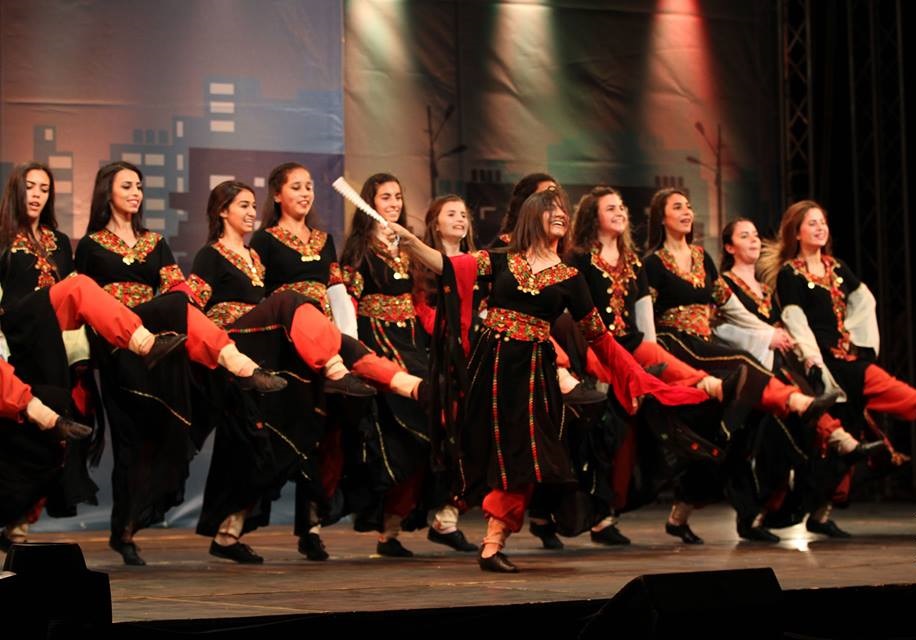
Typically, dancers form a line or semi-circle, holding hands or shoulders, led by a “lawih” who improvises intricate footwork while the group follows with synchronized stomps, kicks, and hops. Accompanied by traditional instruments like the mijwiz (a reed flute) and derbake (a goblet drum), the dance builds in intensity, often culminating in acrobatic leaps. Costumes feature embroidered vests, flowing pants, and headscarves, adding a visual spectacle to the performance.
The Cultural Significance of Dabke in Modern Lebanon
In contemporary Lebanon, Dabke remains a symbol of resilience and national pride, especially during festivals like the Baalbeck International Festival or family events. It fosters community bonds, transcending religious and ethnic lines in a country known for its diversity. For visitors, joining a Dabke session offers an immersive way to experience Lebanese hospitality and energy. Whether you’re searching for “Lebanese folk dance” or planning a trip, Dabke encapsulates the unique cultural heartbeat of Lebanon.
