

Every winter, the city of Harbin in northeastern China transforms into a frozen wonderland, hosting the world’s largest ice and snow sculpture festival. Attracting millions of visitors, this event features colossal structures carved from ice and snow, illuminated by colorful lights against the backdrop of sub-zero temperatures. What makes Harbin’s festival a must-see spectacle? Let’s explore its history, highlights, creation process, and tips for visitors in this comprehensive guide to one of winter’s most enchanting attractions.
A Brief History of Harbin’s Ice and Snow Extravaganza
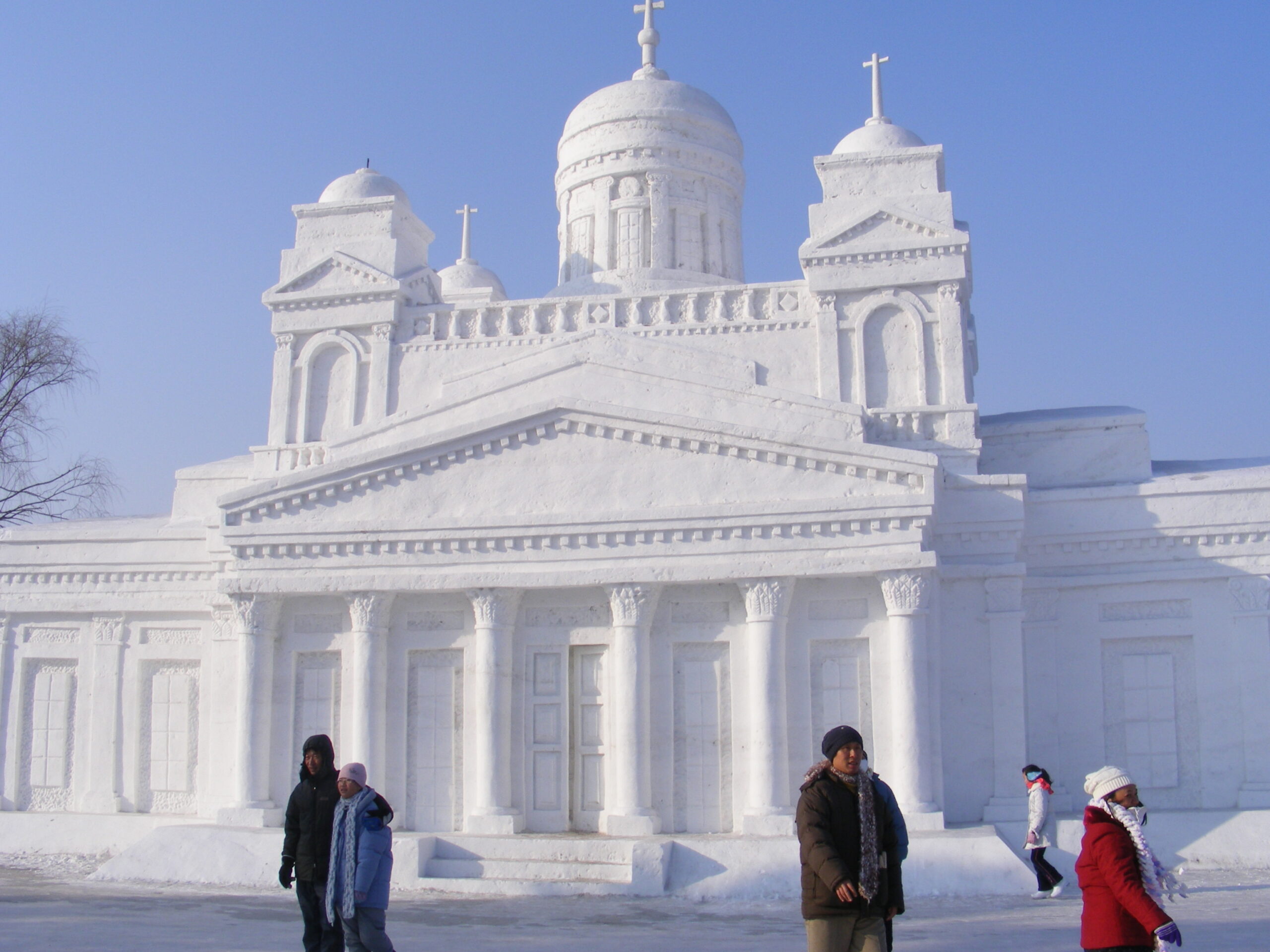
The Harbin International Ice and Snow Sculpture Festival began in 1963 as a local ice lantern show but evolved into a global event by the 1980s. Held annually from late December to February, it now spans over 600,000 square meters and uses millions of cubic meters of ice harvested from the Songhua River. Recognized by Guinness World Records for the largest snow sculpture “Romantic Feelings,” measuring 35 meters tall and 200 meters long the festival showcases Harbin’s title as “Ice City.”
Influenced by Harbin’s cold climate (temperatures drop to -30°C), the event draws on traditional Chinese lantern festivals while incorporating international artistry. Today, it includes competitions with sculptors from over 12 countries, blending cultural themes with modern designs.
The Spectacular Highlights: From Ice Castles to Snow Slides
The festival’s centerpiece is Ice and Snow World, featuring life-sized replicas of famous landmarks like the Great Wall, Eiffel Tower, and Chinese pagodas, all built from ice blocks. These structures, some towering over 50 meters, are lit with LED lights, creating a dazzling nighttime display.
Sun Island hosts massive snow sculptures, including mythical creatures and folk tales, sculpted by international teams. Thrilling attractions like the 521-meter super ice slide add adventure, while ice biking and skiing cater to families. In 2026, themes include global folklore and sustainable art.
Behind the Scenes: How These Frozen Masterpieces Are Created
Creating the sculptures is a Herculean task. Workers harvest ice from the frozen Songhua River using chainsaws, transporting blocks weighing up to 700 kg. Sculptors, often in teams of 20, use tools like chisels and blowtorches to carve intricate details over weeks.
The process emphasizes precision: ice is chosen for its clarity, and snow for its moldability. Environmental considerations include using natural materials and recycling melted water. The festival employs over 10,000 workers annually, boosting local economy.
Visitor Tips: Planning Your Trip to Harbin’s Winter Paradise
To experience the festival, visit in January for peak displays. Dress in layers thermal clothing is essential. Tickets cost around 300 CNY for Ice and Snow World, with combo passes available.
Stay in central Harbin for easy access; try local cuisine like frozen pears or Harbin sausage. Be mindful of crowds over 1 million visitors attend yearly. For photographers, nighttime visits yield stunning shots of illuminated sculptures.
Cultural and Economic Significance
The festival not only celebrates winter but promotes tourism, generating billions in revenue. It fosters cultural exchange, with themes highlighting global harmony. As climate change affects winters, Harbin adapts with artificial snow, ensuring its legacy endures.
Harbin’s Ice and Snow Festival is more than an event it’s a testament to human creativity in harmony with nature. Whether you’re an adventure seeker or art enthusiast, this frozen spectacle promises unforgettable memories. Plan your visit and step into a world of ice magic!
