

Lebanon’s cultural landscape is dotted with expressive art forms that blend history, emotion, and community. Zajal, a form of recited or sung poetry, stands as a unique tradition that captures the essence of Lebanese verbal artistry and social interaction. Performed at gatherings, it highlights the country’s love for improvisation and storytelling through verse.
Also See : Tyrian Purple – The Ancient Phoenician Dye
The Origins and Evolution of Zajal
Zajal traces its roots to ancient Arabic poetic traditions, evolving distinctly in Lebanon as a colloquial form of strophic poetry. It dates back to the 12th century with influences from al-Andalus, but in Lebanon, it flourished as an oral art form in the Levantine dialect, often performed in duels or groups. Recognized by UNESCO as an Intangible Cultural Heritage, Zajal reflects Lebanon’s diverse linguistic heritage and has been passed down through generations of poets known as “zajjaali.”
How Zajal is Performed
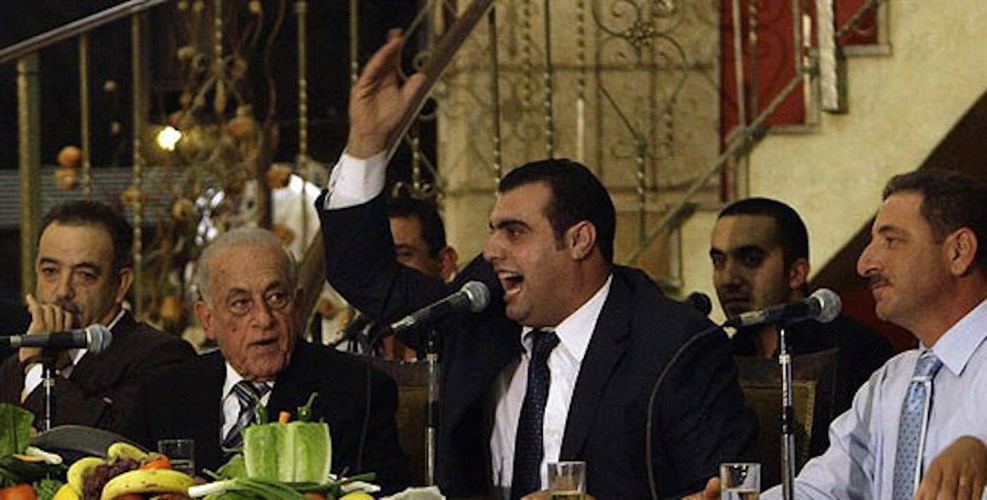
In a typical Zajal session, poets improvise verses on themes like love, politics, or daily life, often in a competitive duel format accompanied by percussion instruments like the derbake. The structure involves stanzas with rhyme and meter, where participants alternate lines, building wit and rhythm. Both men and women participate, making it inclusive, and audiences engage by clapping or responding.
Zajal’s Role in Lebanese Society Today
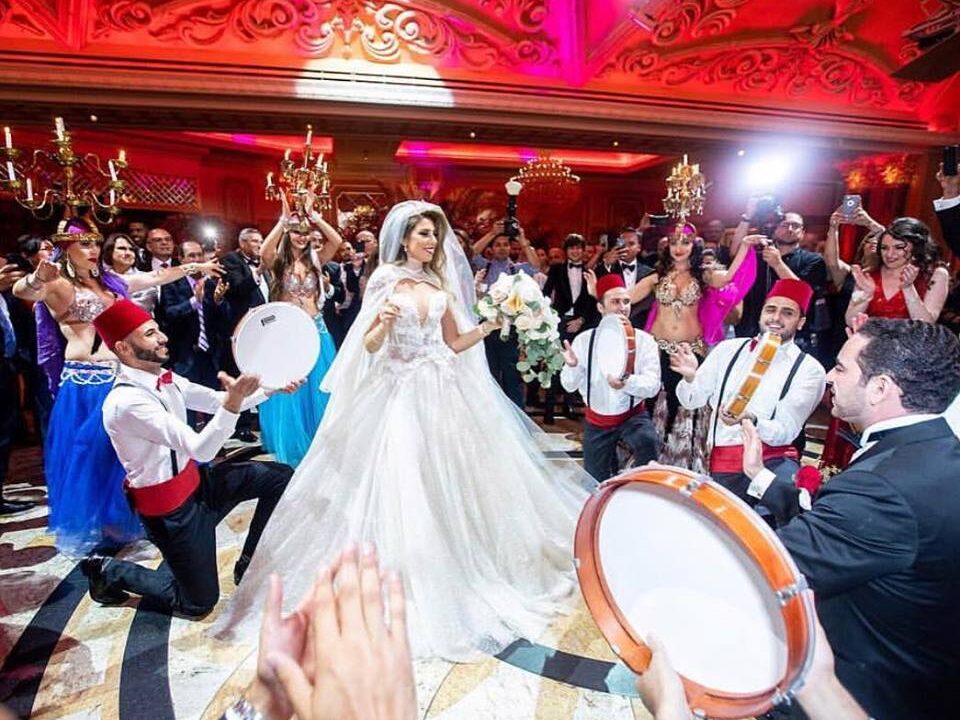
Zajal remains a vibrant part of Lebanese identity, featured at weddings, festivals, and cultural events, fostering unity and creativity amid challenges. It preserves colloquial Arabic and offers commentary on contemporary issues. For those interested in “Lebanese poetry traditions,” Zajal provides an authentic glimpse into the soul of Lebanon’s oral heritage.
