The Allure of Ōkunoshima’s Furry Inhabitants
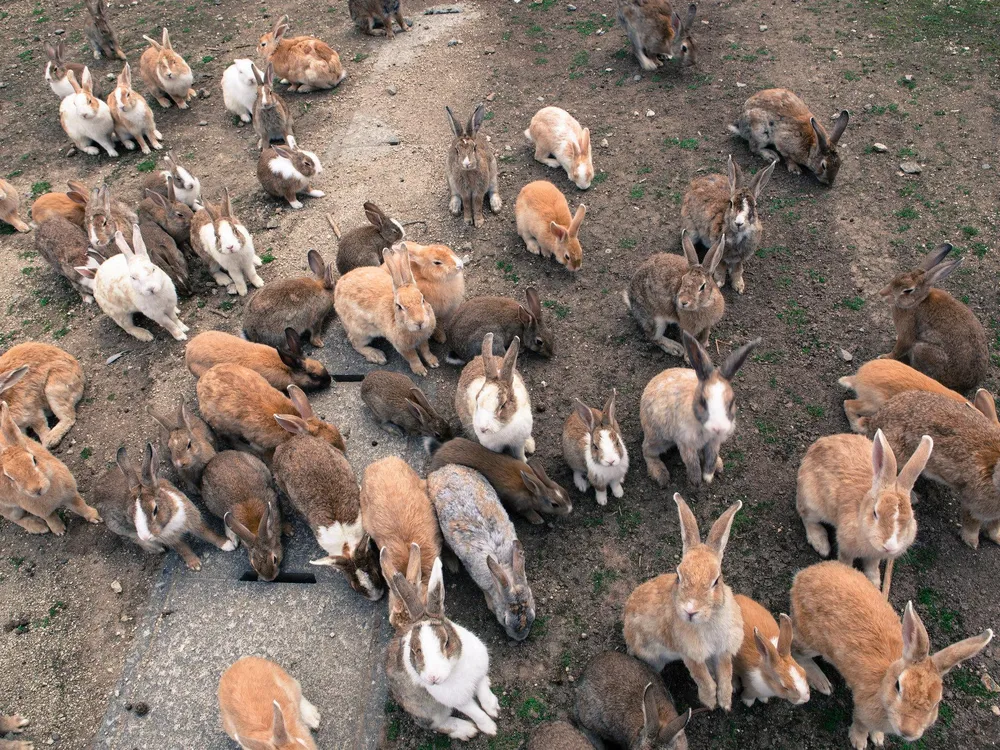
Ōkunoshima, dubbed “Rabbit Island,” is a small isle in Japan’s Seto Inland Sea, home to over 1,000 free-roaming rabbits. This 0.7-square-kilometer paradise attracts tourists who feed and interact with these friendly creatures. The rabbits, descendants of test animals from World War II, now symbolize peace amid a haunting history.
Accessible by ferry from Tadanoumi, the island offers beaches, trails, and a hotel. Visitors buy rabbit food at the port, as feeding is encouraged but regulated to prevent overpopulation issues.
Historical Shadows: From Poison Gas to Peace
During WWII, Ōkunoshima housed a secret poison gas factory from 1929 to 1945, producing mustard and lewisite gases. Rabbits were used in testing, but today’s population stems from eight released in 1971 or escaped lab animals.
Post-war, the site was abandoned; now, the Poison Gas Museum educates on chemical warfare’s horrors. Ruins of factories and bunkers dot the landscape, contrasting with the rabbits’ cuteness.
The island promotes peace, with memorials and exhibits highlighting war’s futility.
Ecology and Rabbit Life
The rabbits are European breeds, thriving without natural predators. They graze on grass and rely on tourist food, leading to population booms. Management includes spaying and monitoring health.
Birds and butterflies add to biodiversity, with cycling paths allowing exploration. No cars or dogs are permitted to protect the rabbits.
Visiting Tips and Experiences
Best visited in spring or fall, bring pellets and water. Interact gently; rabbits approach for food. Stay overnight for serene evenings.
Tourism boosts the economy but raises overfeeding concerns. Ethical guidelines emphasize respect for animals.
Ōkunoshima blends joy with reflection, a unique destination.
