

The H-shaped iceberg in Greenland represents one of nature’s most remarkable displays of symmetry and beauty. Floating in the icy waters of the Ilulissat Icefjord, this massive formation captures the imagination with its balanced structure, resembling the letter “H” through its two towering pillars connected by a central ice bridge. This semiaquatic wonder, shaped by wind, water, and time, highlights the fragile artistry of the Arctic environment.
What Makes the H-Shaped Iceberg So Unique?
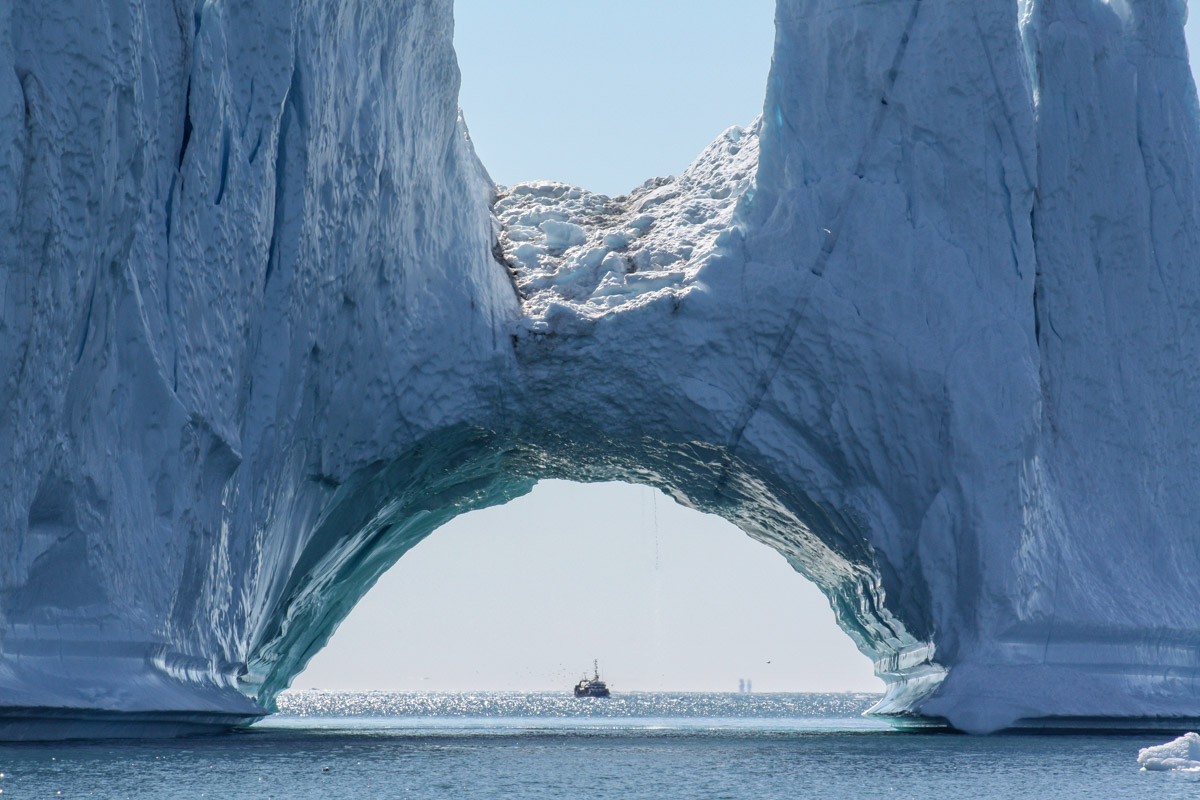
Icebergs in Greenland often take on fantastical shapes due to natural erosion and melting processes, but the H-shaped variety stands out for its near-perfect symmetry. The structure features two vertical flanks that mirror each other, linked by a horizontal crossbar of ice, creating a balanced and harmonious form. This symmetry is not just visual; it reflects the even forces of nature acting on the ice over time. Photographed in calm conditions, such formations appear almost sculpted, defying the chaotic origins of glacial calving.
These icebergs can span hundreds of feet in height and width, with the “H” configuration often resulting from underwater melting that carves out arches or bridges. The blue hues of the ice come from compressed snow layers, adding to the ethereal appeal.
Formation and Natural Processes
H-shaped icebergs form when large chunks calve from Greenland’s glaciers, such as those feeding the Ilulissat Icefjord, a UNESCO World Heritage site. Erosion from waves, wind, and warmer waters sculpts the ice into intricate shapes, including arches and symmetrical structures. The perfect natural symmetry arises when environmental conditions allow for uniform wear on both sides, often enhanced by still waters that create mirror-like reflections.
In some cases, these formations include delicate arches, as seen in viral photographs where boats pass beneath, emphasizing scale and symmetry.
Habitat and Location in Greenland
Located primarily in western Greenland’s Disko Bay region, including areas like Ilulissat, these icebergs drift through fjords and coastal waters. The Ilulissat Icefjord is renowned for producing some of the world’s most spectacular ice formations, with the Jakobshavn Glacier contributing vast amounts of ice annually. The cold Arctic climate preserves these structures temporarily, allowing photographers and tourists to witness their symmetry before they melt or break apart.
Conservation Status and Threats
As symbols of Greenland’s pristine wilderness, H-shaped icebergs and similar formations face threats from climate change, which accelerates glacial melting and alters ocean currents. Rising temperatures could reduce the frequency of such symmetrical wonders, impacting biodiversity and local communities. Conservation efforts, including monitoring by organizations like the IUCN, aim to protect these natural phenomena.
Why the H-Shaped Iceberg Captivates Us
The H-shaped iceberg in Greenland, with its perfect natural symmetry, serves as a reminder of the planet’s dynamic beauty. From its architectural-like form to the serene Arctic backdrop, it inspires awe and underscores the need for environmental stewardship. Whether viewed in photographs or in person, this icy marvel embodies the enchanting unpredictability of nature.
