

Lebanon, a nation where history whispers through its mountains and seas, preserves a myriad of traditions that connect the past to the present. Among these, Hakawati stands as a captivating oral storytelling tradition that has enchanted audiences for centuries. This unique practice, where skilled narrators weave tales of heroes, myths, and morals, embodies the essence of Lebanese communal bonding and cultural preservation. Often performed in cafes or gatherings, Hakawati highlights Lebanon’s rich narrative heritage, blending entertainment with wisdom. For those searching “unique Lebanese traditions” or “Lebanese storytelling culture,” Hakawati offers an immersive glimpse into the soul of this diverse society.
The Origins and History of Hakawati
The term “Hakawati” derives from the Arabic word “hekaya,” meaning story or tale, and refers to a professional storyteller who captivates listeners with epic narratives. This tradition traces its roots back to ancient times in the Middle East, with influences from pre-Islamic Arabia, where oral epics like those in “One Thousand and One Nights” were passed down generations. In Lebanon, Hakawati flourished during the Ottoman era, becoming a staple in coffeehouses across Beirut, Tripoli, and other cities. Storytellers would draw from a vast repertoire, including legends of Antar the hero, Quranic stories, and folk tales filled with moral lessons.
Also See : Kibbeh – Lebanon’s National Dish of Versatility and Tradition
Historically, Hakawati served as more than entertainment; it was a means of education and social commentary in a largely illiterate society. During the 18th and 19th centuries, renowned Hakawati like Ahmad al-Saidawi could hold audiences spellbound for months, serializing tales to ensure return visits. The practice was often familial, with skills handed down through generations, each adding personal flair. Influences from Persian, Turkish, and Arab cultures enriched the style, incorporating rhymes, metaphors, and dramatic pauses. In Lebanon, it intertwined with local folklore, reflecting the country’s Phoenician heritage and Levantine diversity.
By the 20th century, modernization and media threatened its survival, but efforts to revive it emerged, recognizing it as intangible cultural heritage. UNESCO’s acknowledgment of similar Arab storytelling traditions underscores its importance. Today, it echoes Lebanon’s resilience, surviving wars and economic hardships while adapting to contemporary themes.
How Hakawati is Performed
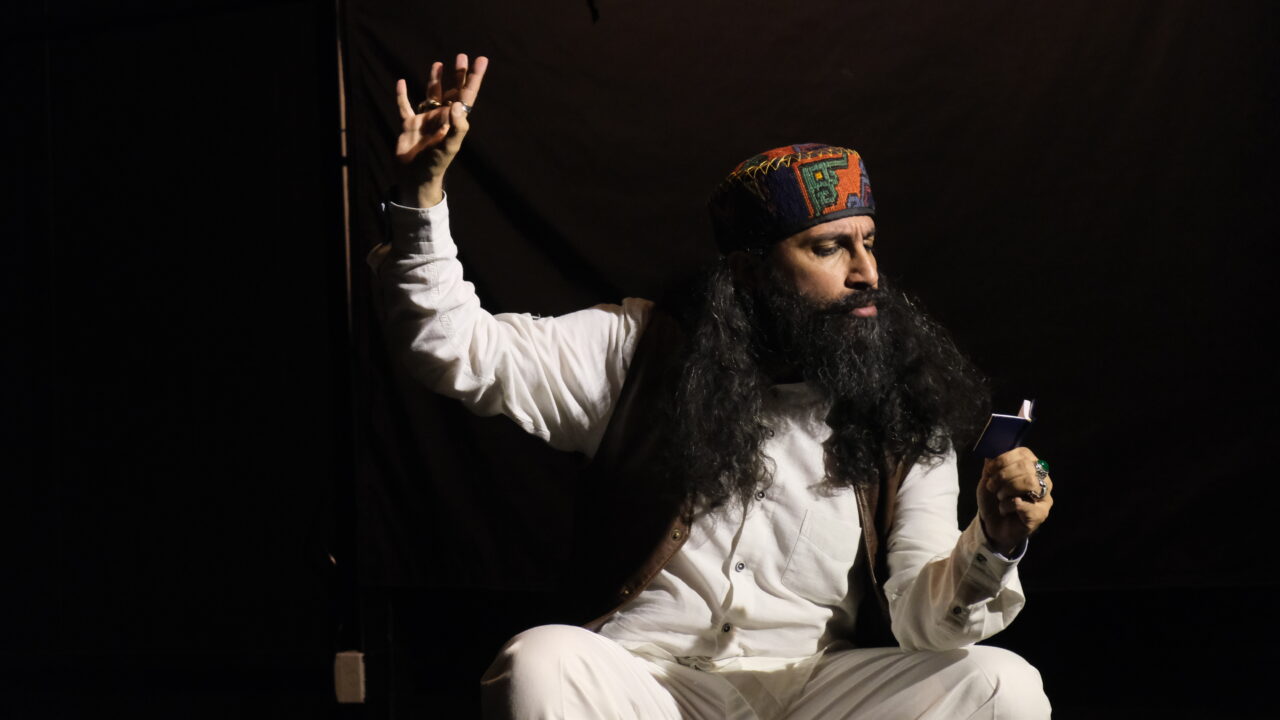
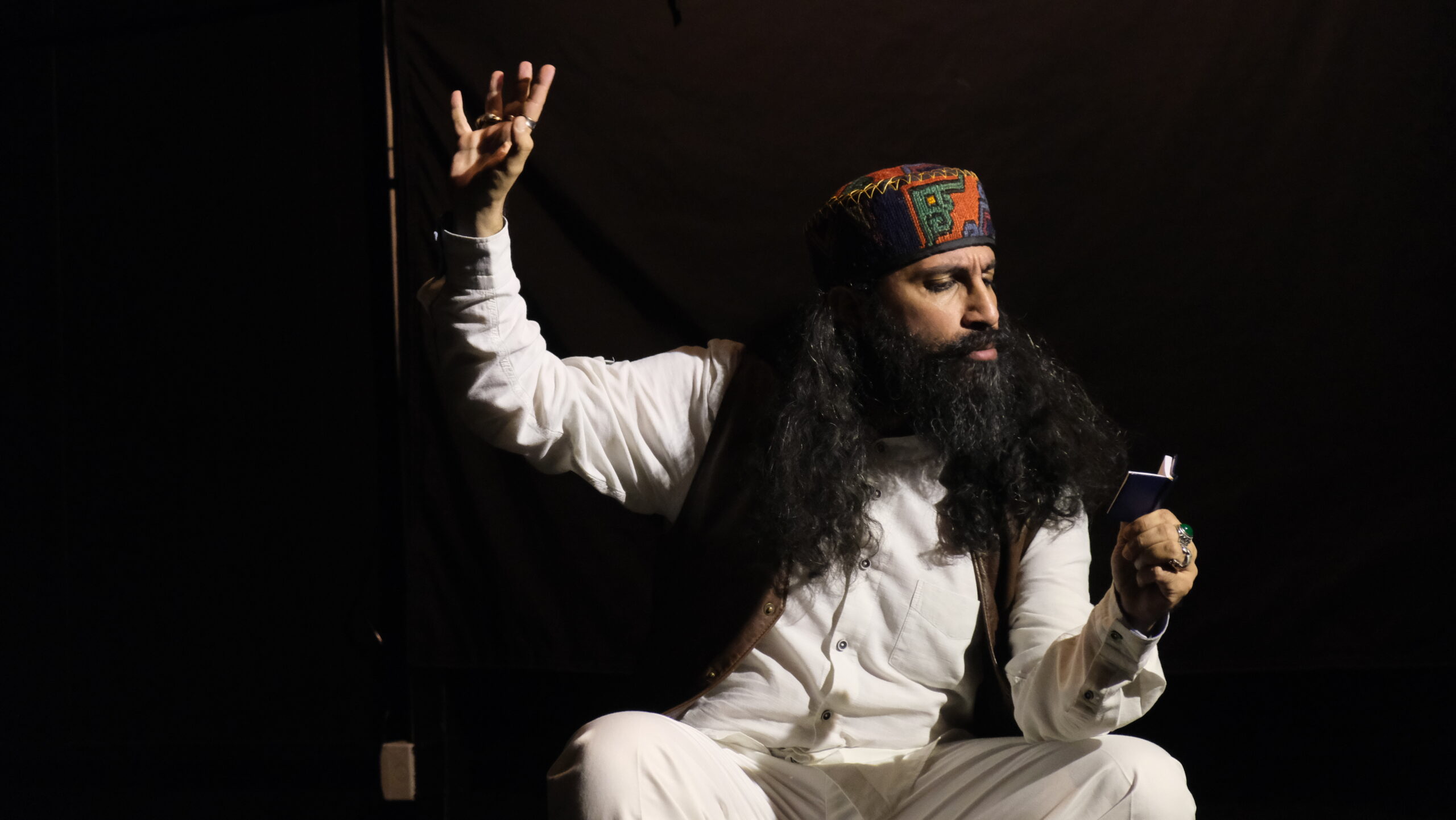
A traditional Hakawati performance is a theatrical spectacle, often in a cafe or public square, where the storyteller sits elevated on a chair or platform. Dressed in simple attire, sometimes with a fez or scarf, the Hakawati uses voice modulation, gestures, and facial expressions to bring stories alive. Sessions begin with a ritualistic phrase like “Once upon a time,” drawing the audience into a trance.
The narratives are improvised yet structured, blending memorized epics with audience interaction. Cliffhangers end each segment, ensuring crowds return. Props like a sword or book might be used for emphasis, and the storyteller employs rhythm, rhyme, and exaggeration to heighten drama. In Lebanon, performances often last hours, with tea or argileh enhancing the communal vibe. Modern adaptations include music or multimedia, but the core remains oral.
Training involves apprenticeship, learning pacing and audience engagement. Women Hakawati are emerging, adding diverse perspectives. Themes range from love and adventure to social critiques, making it versatile.
The Cultural Significance of Hakawati in Lebanese Society
Hakawati fosters community, bridging generations and sects in Lebanon’s multicultural fabric. It preserves oral history, teaching values like justice and courage. In a society marked by division, it promotes unity through shared narratives.
Symbolically, it represents resilience, offering escapism during crises. It influences literature, theater, and film, inspiring works like Rabih Alameddine’s “The Hakawati.” Socially, it encourages empathy and critical thinking.
Hakawati in Modern Lebanon “Revival and Adaptation”
Contemporary Lebanon sees Hakawati evolving, with performers like Jihad Darwiche blending traditional tales with current issues. Festivals and workshops revive it, attracting youth. Digital platforms share stories globally, preserving heritage. Challenges include urbanization, but tourism boosts interest. For explorers of “Lebanese oral traditions,” Hakawati remains a timeless beacon of creativity and connection.
