Nature is filled with rare and extraordinary phenomena, but few are as captivating as an island that appears only during summer and disappears when the colder seasons return. These seasonal islands are not mythical stories. They are real geographical formations shaped by tides, climate, erosion, and shifting sediment. Their brief appearance transforms them into some of the most mysterious destinations on Earth and a fascinating subject for travelers, scientists, and photographers.
What Is a Seasonal Island?
A seasonal island is a landmass that becomes visible only during certain months, typically in the summer. When water levels drop due to dry weather, weaker tides, or seasonal evaporation, parts of the land rise above the waterline. During winter or rainy seasons, the island sinks beneath rising waters, vanishing completely until the next cycle. Some appear for weeks, while others remain visible for several months.
These natural formations often occur near lakes, rivers, or coastal regions where water levels fluctuate. Their existence is influenced by changing seasons, tides, and geological processes, making each appearance unique from year to year.
How These Islands Form
Several natural factors contribute to the creation of temporary islands:
1. Seasonal Water Levels
In many regions, summer heat causes lakes and rivers to evaporate more quickly, lowering water levels. When this drop exposes shallow underwater land, an island surfaces.
2. Sediment Movement
Rivers and coastal currents carry sand and silt that accumulate over time. During summer, weaker currents allow these deposits to rise above the water, creating temporary landmasses.
3. Tidal Patterns
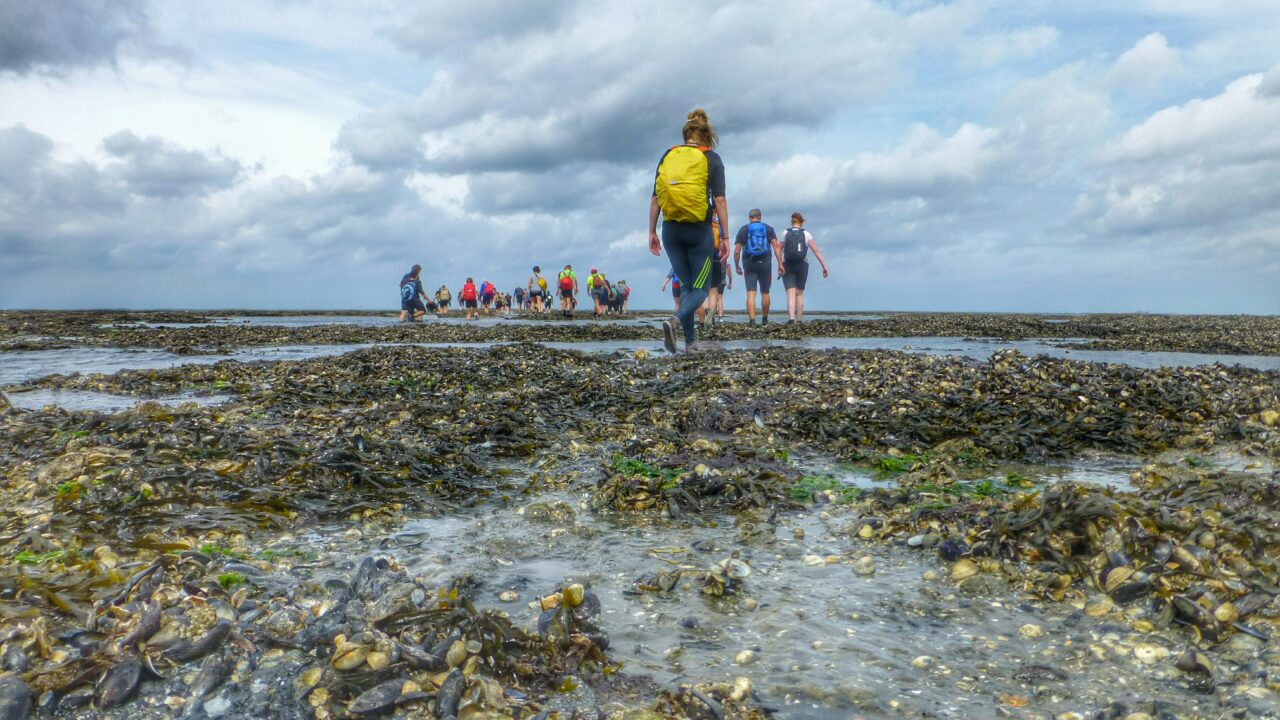
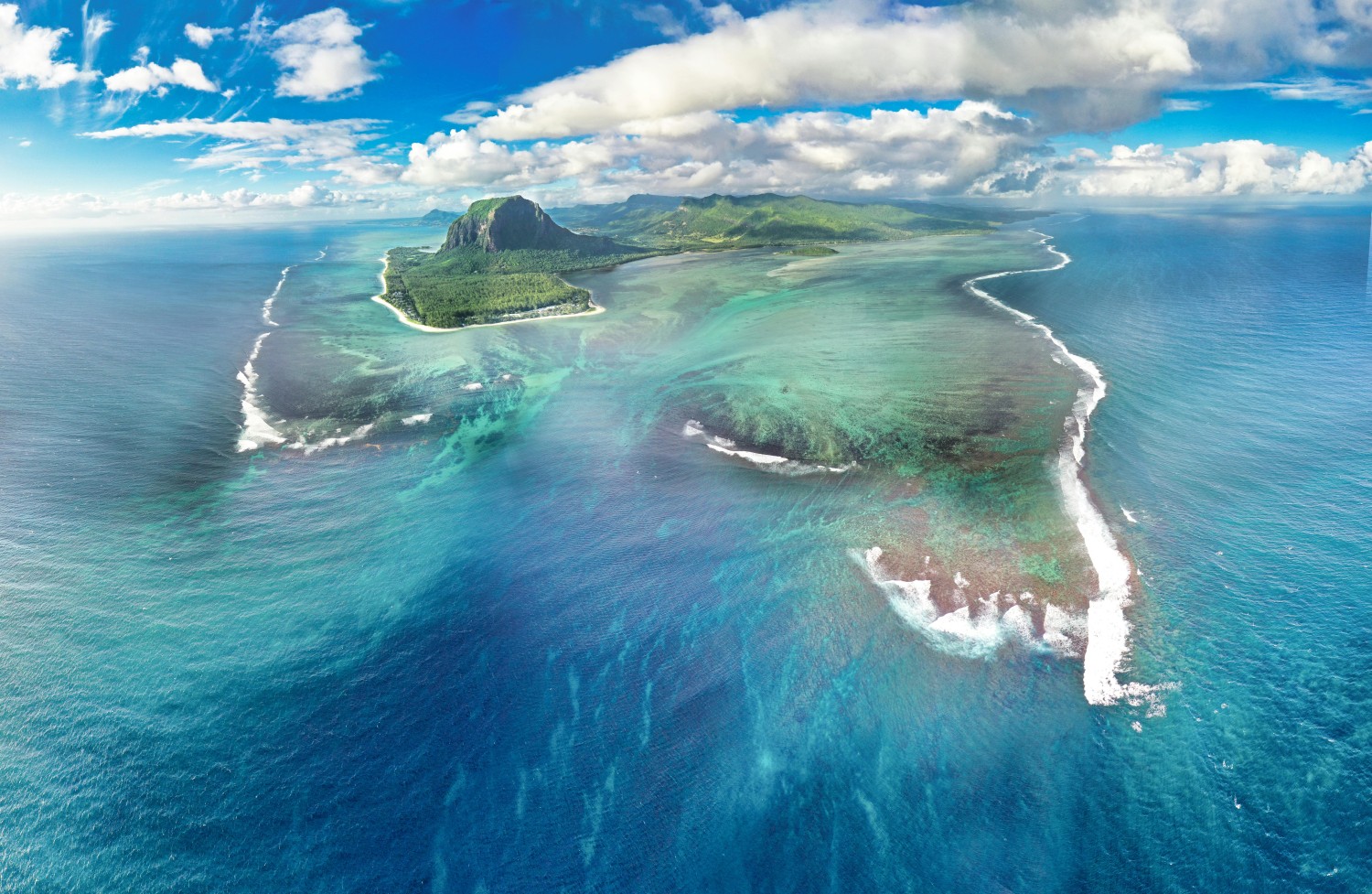
Coastal areas with dramatic tide changes may reveal land only during low tide seasons. When high tides return, the island sinks once more.
4. Glacial Meltwater Cycles
In some countries, glacial melt affects water volume throughout the year. When meltwater is minimal, underwater formations may become visible.
Where Seasonal Islands Are Found
While these islands can appear anywhere with fluctuating water systems, some well-known examples include:
- Temporary sandbars that emerge along coastlines during calm summer tides
- Small islands in glacial lakes that appear when meltwater levels decrease
- Seasonal landmasses in river deltas shaped by shifting sediment
These islands often attract hikers, photographers, and curious explorers who want to witness the rare moment when land rises from the water.
Wildlife and Ecosystems on Temporary Islands
Despite appearing only for a limited period, these islands can support unique ecosystems. Migratory birds may use them as temporary nesting grounds, while plant species that tolerate dry and wet cycles may grow here. Some islands become resting points for animals, offering a safe, predator-free refuge during the summer.
However, the fragile nature of these ecosystems requires careful protection. Many local authorities restrict access to prevent erosion or damage.
Tourism and the Appeal of a Disappearing Island
Tourists are drawn to the magic of visiting a place that will soon vanish underwater. These islands often become local attractions, with visitors eager to photograph the fleeting landscape. The mystery of their appearance makes each summer a unique experience.
Eco-friendly tourism is important to preserve these delicate formations. Visitors are encouraged to stay on designated paths and avoid disturbing wildlife or plant life.
The Scientific Value of Seasonal Islands
Geologists and climate researchers study these islands to understand long-term environmental changes. By examining patterns of appearance and disappearance, scientists can monitor:
- Water level fluctuations
- Climate change indicators
- Sediment distribution
- Erosion and land formation
Seasonal islands act as natural records of environmental activity, offering insight into how landscapes evolve over time.
A Symbol of Nature’s Impermanence
Islands that appear only in summer remind us of nature’s constant motion. They symbolize change, cycles, and the temporary beauty found in the natural world. Whether you are a traveler searching for hidden destinations or someone who appreciates natural wonders, these vanishing islands reveal the powerful forces shaping our planet.
