



Beetles That Shine Like Gems
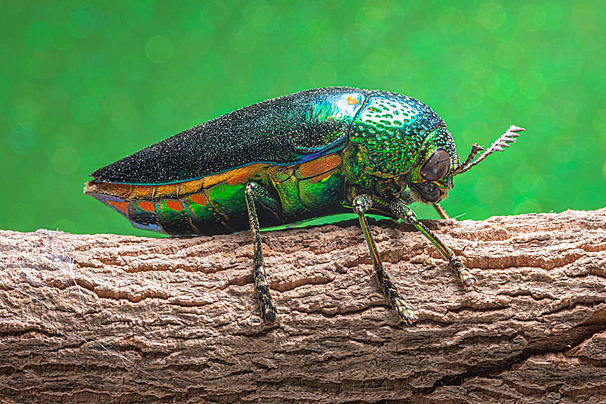
Imagine tiny creatures gleaming with metallic blues, greens, golds, and purples these are jewel beetles, scientifically part of the family Buprestidae. Their vibrant, shimmering exteriors rival polished gemstones, making them favorites among entomologists, artists, and nature lovers worldwide.
What Are Jewel Beetles?
Jewel beetles are a diverse group of insects known for their brilliant iridescence a result of microscopic surface structures that refract light. Unlike pigmentation, this structural coloration creates colors that shift with viewing angle, much like certain butterfly wings.
There are over 15,000 species of jewel beetles, found across continents in forests, grasslands, and deserts. Most are slender, elongated beetles ranging from a few millimeters to several centimeters long.
The Science Behind the Sparkle
The secret to a jewel beetle’s dazzling coloration lies in:
Structural Coloration
Instead of pigment, jewel beetles possess microscopic multilayered surfaces on their exoskeletons that bend and reflect light. The resulting hues change based on angle and lighting an effect called iridescence.
Camouflage and Communication
These flashes of color aren’t just beautiful they serve functions such as:
- Camouflage among leaves and bark
- Warning signals to predators
- Mate attraction and species recognition
Life Cycle and Behavior
Like all beetles, jewel beetles undergo complete metamorphosis:
- Egg: Laid on host plants.
- Larva: Wood-boring stage that feeds beneath bark.
- Pupa: Transformation in protected chambers.
- Adult: Emerges to feed and reproduce.
Larvae of some species can live years inside wood, making them important in forest ecology and nutrient recycling.
Cultural and Scientific Value
Jewel beetles have inspired human creativity for centuries:
- Ancient jewelry used beetle wings in adornment.
- Modern art uses their colors in fashion and design.
- Biomimetics engineers mimic beetle surfaces to create paints, sensors, and optical tech.
Threats and Conservation
Despite their allure, many species face threats from:
- Habitat loss
- Deforestation
- Pesticide use
Conservation efforts focus on preserving forests and studying beetle populations as indicators of ecosystem health.
Gems of the Insect World
Jewel beetles remind us that beauty and science often intersect. By appreciating these living gems, we connect deeper with nature’s ingenuity and realize that sometimes, the most astonishing wonders come in the smallest packages.
