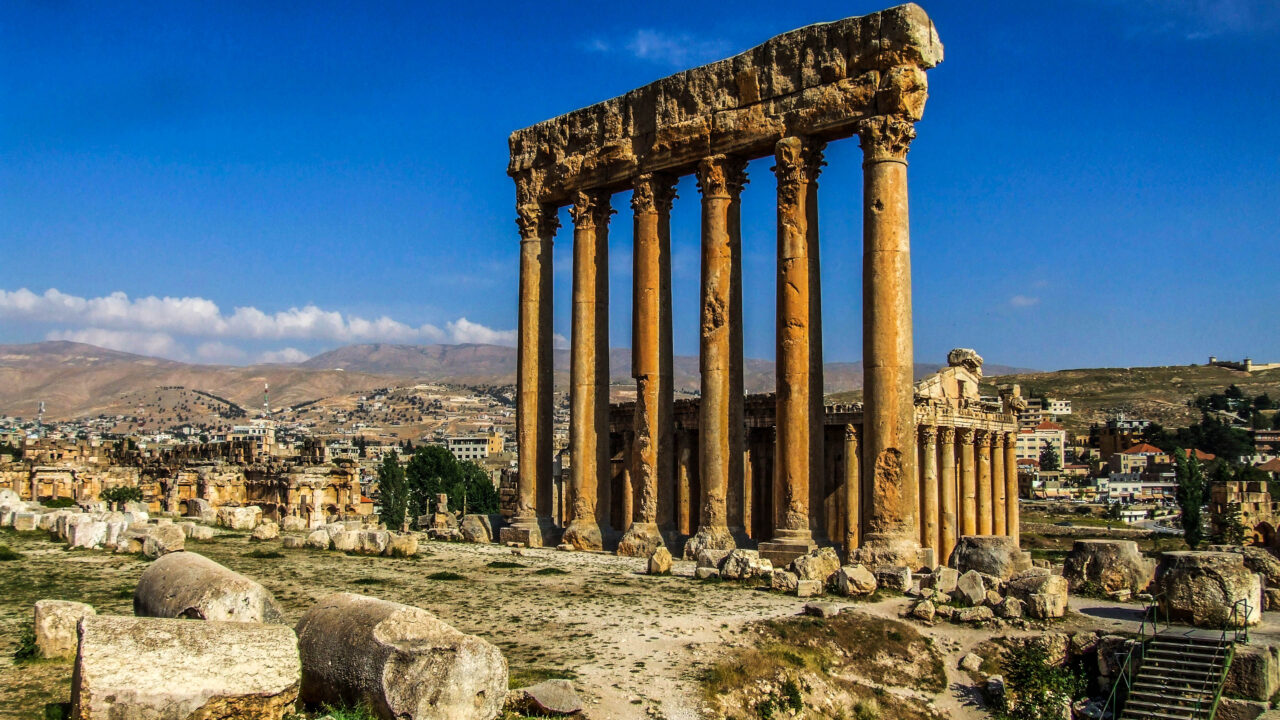
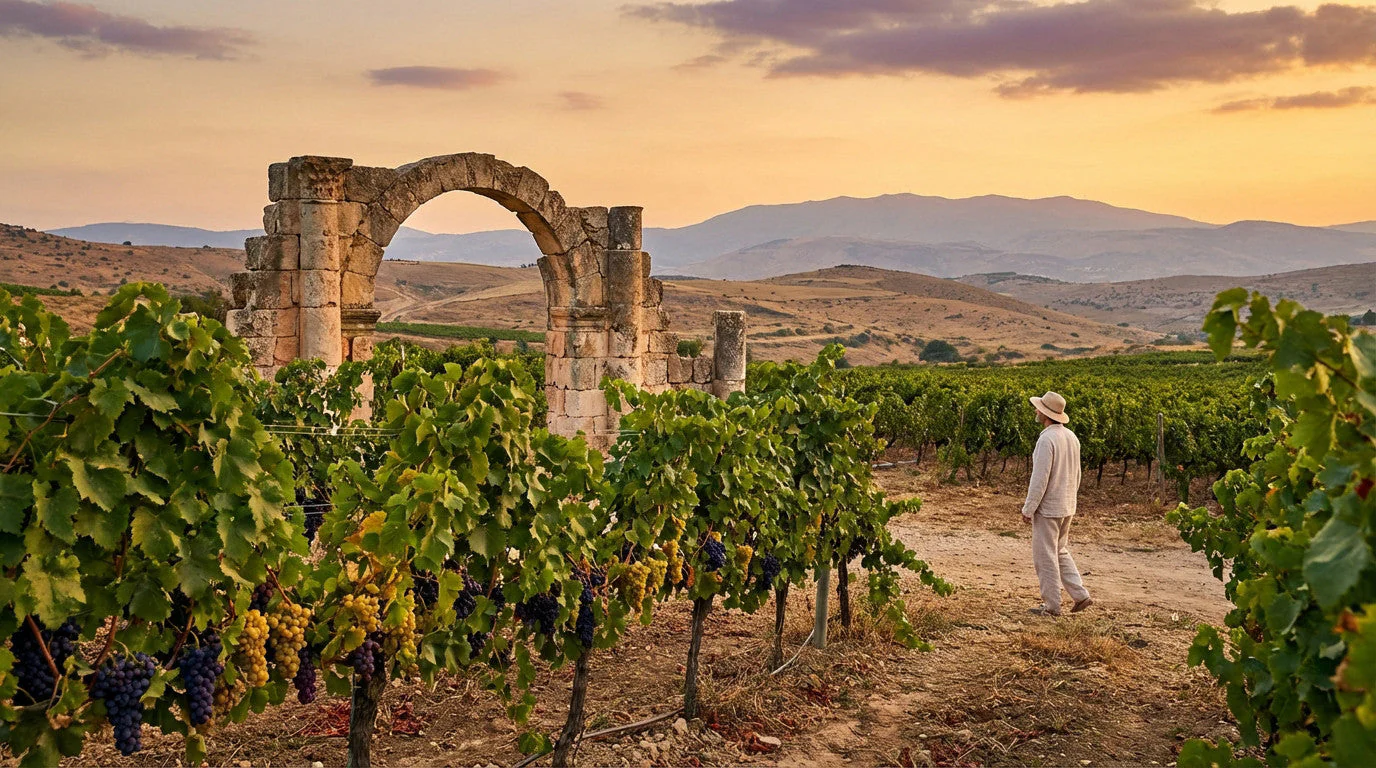
Lebanon boasts one of the oldest continuous winemaking traditions in the world, stretching back over 7,000 years making it a true pioneer in viticulture long before many famous wine regions existed.
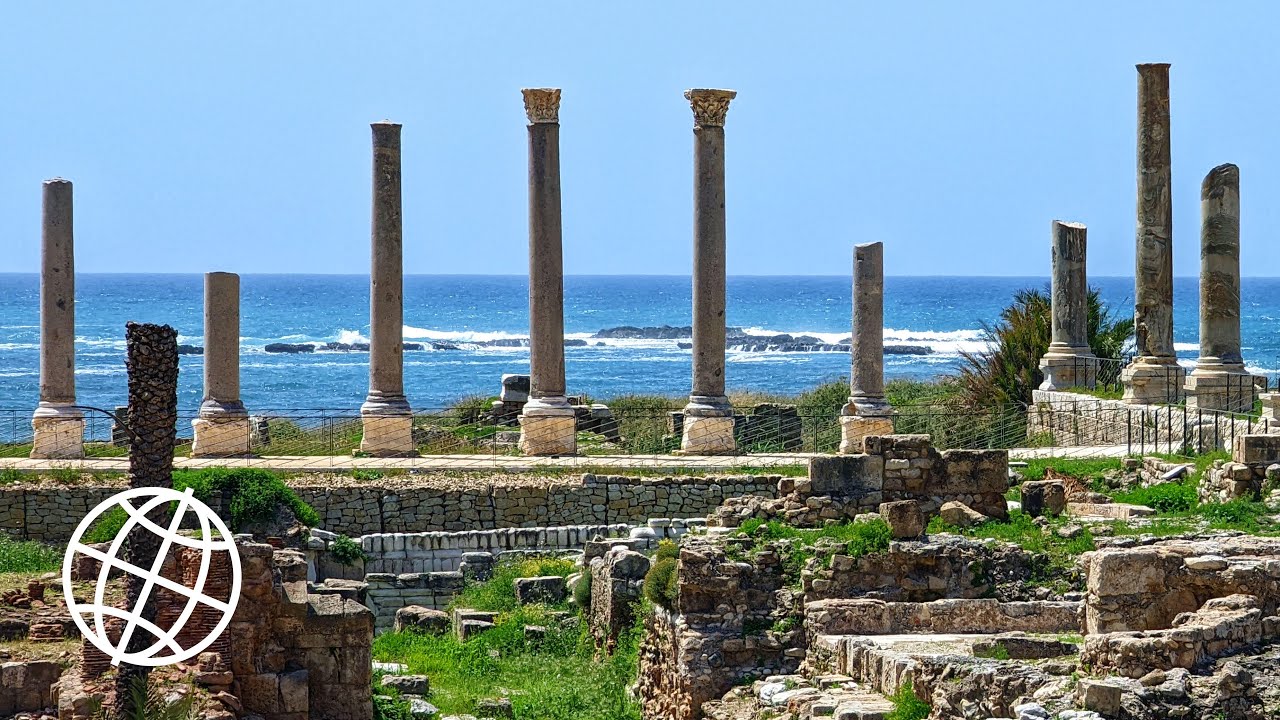
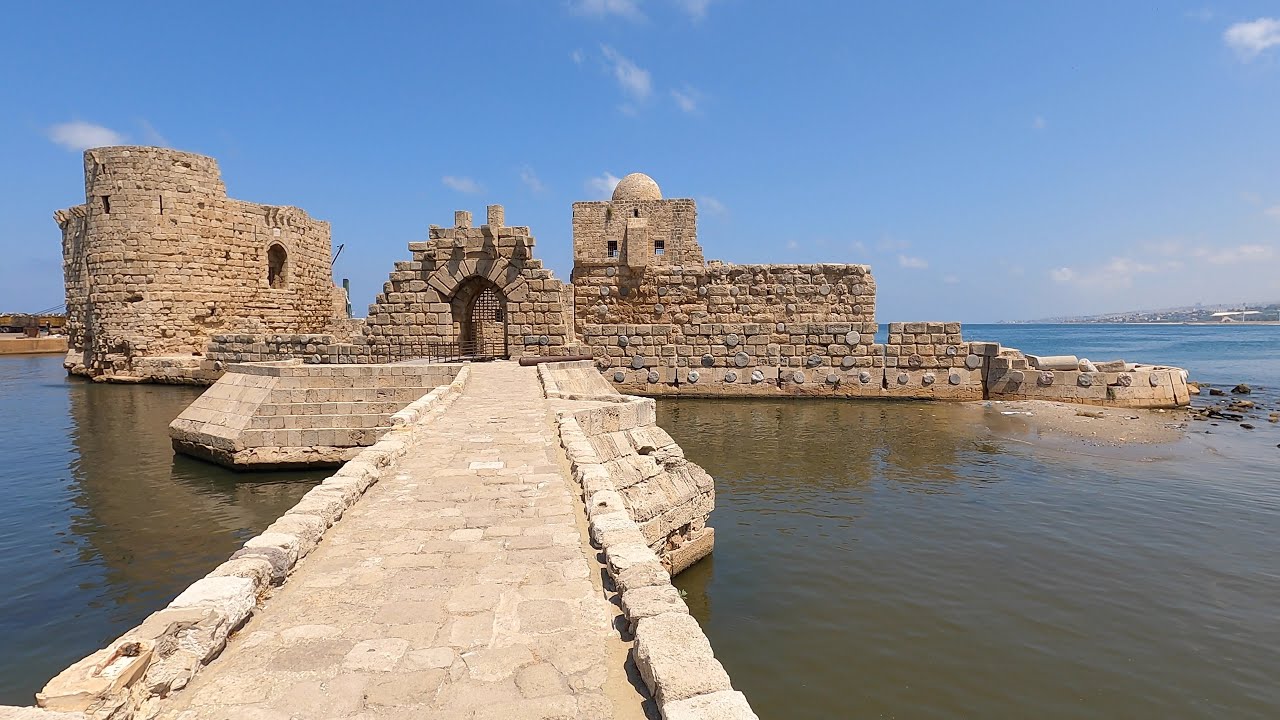
The ancient Phoenicians, who lived along Lebanon’s coast, perfected winemaking techniques around 5000–6000 BC. They exported wine across the Mediterranean in amphorae, spreading vines and knowledge to Greece, Rome, and beyond. Archaeological evidence from sites like Byblos shows wine presses, storage jars, and even residues of ancient vintages.
Also See : The Thuringian Forest – Germany’s Enchanted Woodland Realm
Today, this legacy thrives in the Bekaa Valley, a high-altitude plateau with ideal soil and climate for growing grapes. Iconic wineries like Chateau Ksara (founded 1857, but building on ancient roots), Chateau Musar, and others produce world-class reds, whites, and rosés using both international varieties (Cabernet Sauvignon, Merlot) and indigenous grapes (like Obeideh and Merwah).
What sets Lebanon’s wine heritage apart:
- Uninterrupted production despite wars, invasions, and time few places can claim such continuity
- Phoenician influence: They invented techniques like barrel aging and labeled the first “branded” wines
- Modern renaissance: Lebanese wines regularly win international awards, blending ancient terroir with contemporary expertise
For anyone researching oldest wine Lebanon, Lebanese wine history, Bekaa Valley vineyards, or Phoenician wine Lebanon, this tiny country holds an outsized place in the global story of wine.
