

Lebanon is renowned for its ancient beverages that blend history with hospitality, and Arak stands as a quintessential example. This anise-flavored distilled spirit, often called Lebanon’s national drink, is integral to social gatherings and meals, embodying the country’s rich heritage of craftsmanship and communal joy.
Also See : Tyrian Purple – The Ancient Phoenician Dye
The Origins and History of Arak
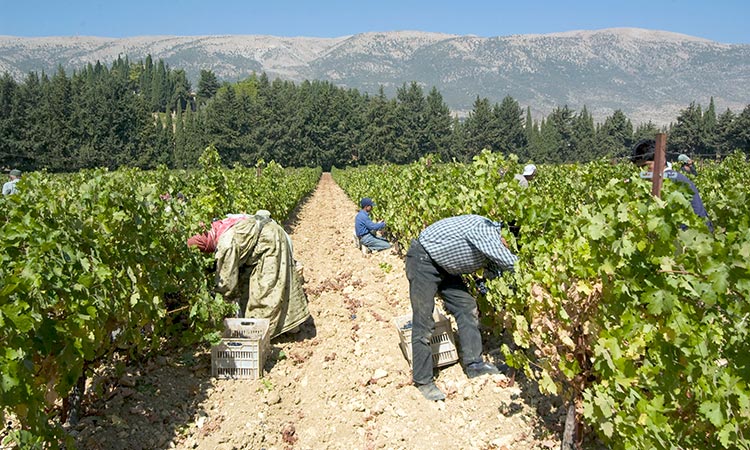
Arak’s roots trace back thousands of years to the Phoenicians, who pioneered distillation techniques in the region now known as Lebanon. Evolving through Arab and Ottoman influences, it became a staple in Levantine culture. In Lebanon, production centers in the Bekaa Valley, using native grapes like Obeidy and Merwah, with anise seeds adding its signature licorice taste. Government regulations ensure its authenticity, similar to protected appellations for wines.
How Arak is Produced and Enjoyed
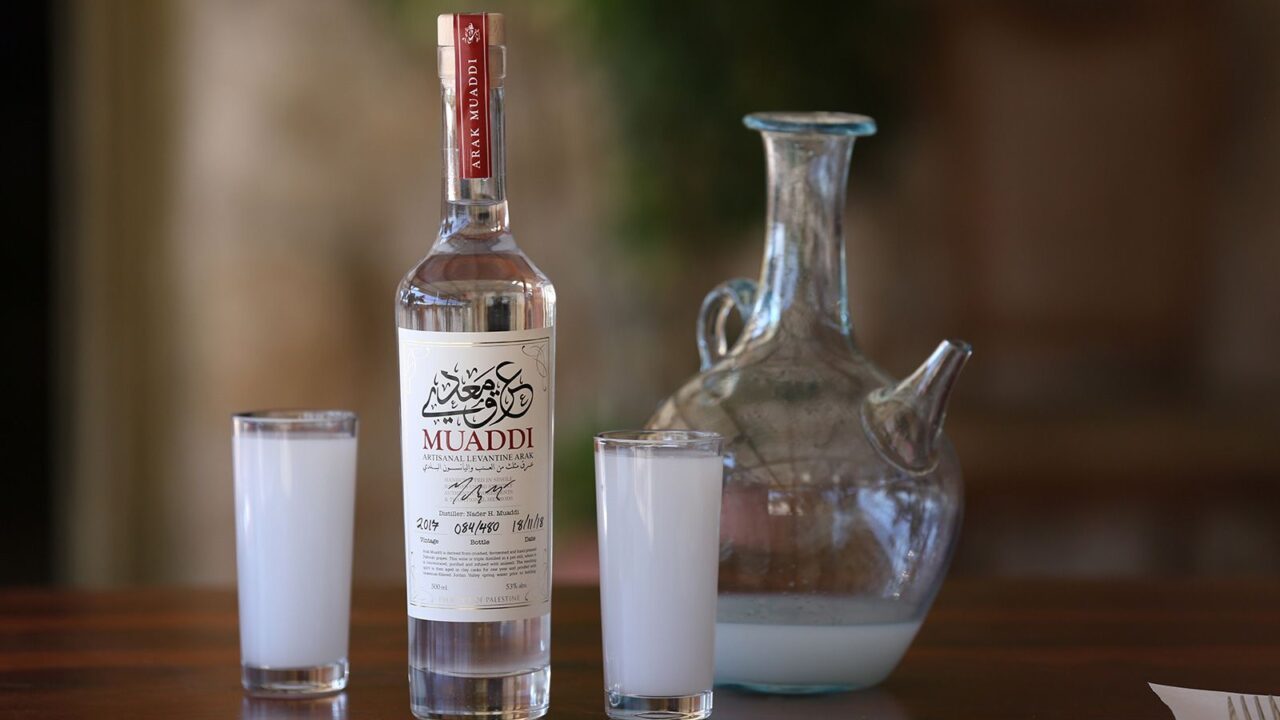
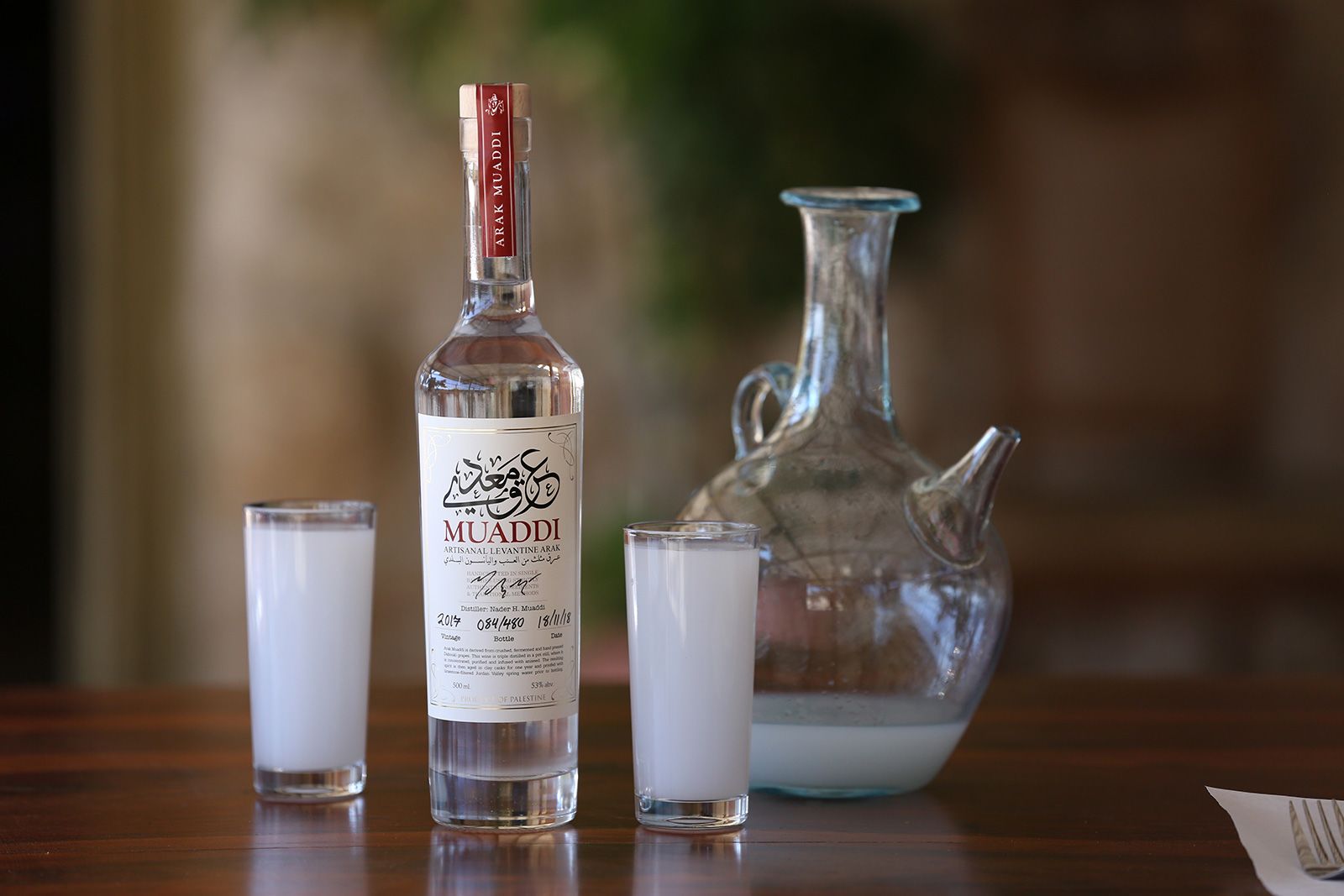
Traditional Arak is made from white grapes fermented into wine, then triple-distilled in copper stills called “karakeh.” Anise seeds are added during the second distillation, and the spirit ages in clay amphorae for smoothness. Served mixed with water (1:2 ratio) and ice, it turns milky white due to the louche effect. It’s paired with mezze, fostering long conversations.
Arak’s Role in Lebanese Culture Today
Arak symbolizes Lebanese resilience and hospitality, often home-distilled for family events. It’s a digestive aid and social lubricant at celebrations, reflecting communal bonds. For those exploring “Lebanese traditional drinks,” Arak offers a taste of enduring cultural pride and tradition.
