



Surviving Where Nothing Should
In bubbling pools of boiling mud and scalding hot springs, life seems impossible. Temperatures exceed those that would destroy most organisms in seconds. Yet in these hostile environments live hyperthermophilic microbes, microscopic life forms that flourish at temperatures above 80 degrees Celsius.
Their existence has reshaped scientific understanding of biology and the limits of life on Earth.
What Are Hyperthermophiles
Hyperthermophiles are a group of microorganisms, often belonging to the domain Archaea, that thrive in extreme heat.
They inhabit volcanic vents, geothermal fields, and hydrothermal systems where chemical energy replaces sunlight as the primary power source.
Where Boiling Mud Comes From
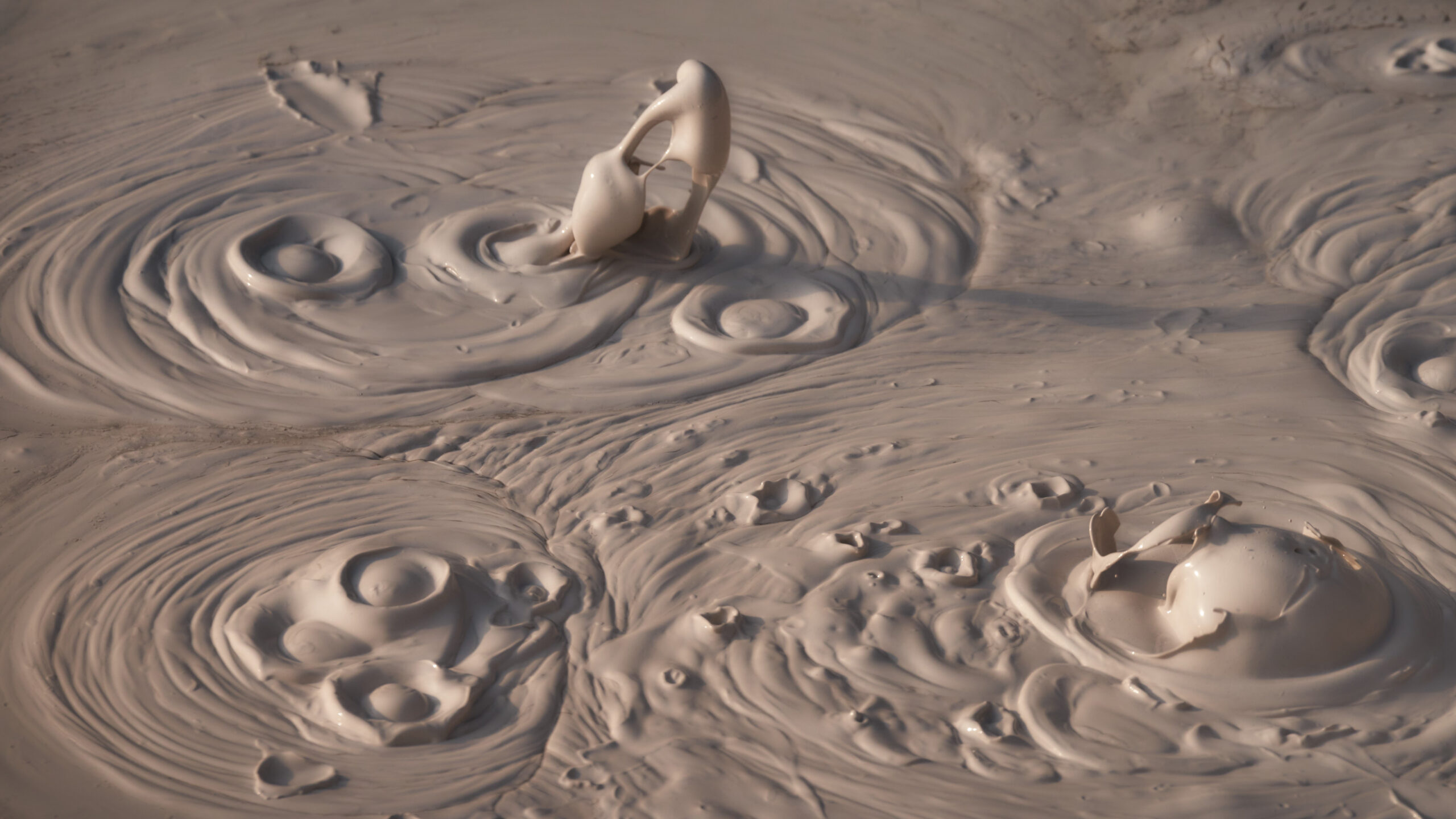
Boiling mud pools form when geothermal heat warms groundwater beneath mineral rich soils. Steam rises through clay and sediments, creating bubbling, viscous surfaces.
These environments contain sulfur compounds, heavy metals, and acidic conditions that would kill most organisms, making microbial survival even more remarkable.
Molecular Adaptations to Extreme Heat
Hyperthermophiles possess specialized proteins and enzymes that remain stable at high temperatures.
Key adaptations include:
- Heat resistant protein structures
- DNA stabilizing molecules
- Unique cell membranes that resist melting
- Efficient repair systems
These features prevent cellular breakdown even in near boiling water.
How They Obtain Energy
Instead of photosynthesis, many hyperthermophiles rely on chemosynthesis, extracting energy from chemical reactions involving sulfur, hydrogen, or iron.
This metabolic strategy resembles what scientists believe early life on Earth may have used before oxygen became abundant.
Why Scientists Study Them
Hyperthermophiles offer clues to how life began on a young, volcanic Earth.
Their enzymes are also valuable in biotechnology. Heat tolerant proteins are used in industrial processes, including DNA amplification, biofuel research, and pharmaceutical production.
Implications for Life Beyond Earth
Because these microbes thrive without sunlight and in extreme heat, astrobiologists consider similar environments on Mars, Europa, or Enceladus potential habitats for microbial life.
Studying boiling mud ecosystems helps scientists imagine what extraterrestrial biology might look like.
Ecological Roles in Extreme Environments
Even in hostile pools, microbial communities form layered ecosystems.
Different species specialize in temperature zones, chemical gradients, and mineral surfaces, creating colorful mats and biofilms that recycle nutrients and support microscopic food webs.
Final Thoughts
Life in boiling mud proves that biology is far more adaptable than once believed. Hyperthermophilic microbes redefine the boundaries of habitability and continue to guide research into Earth’s past and life beyond our planet.
