




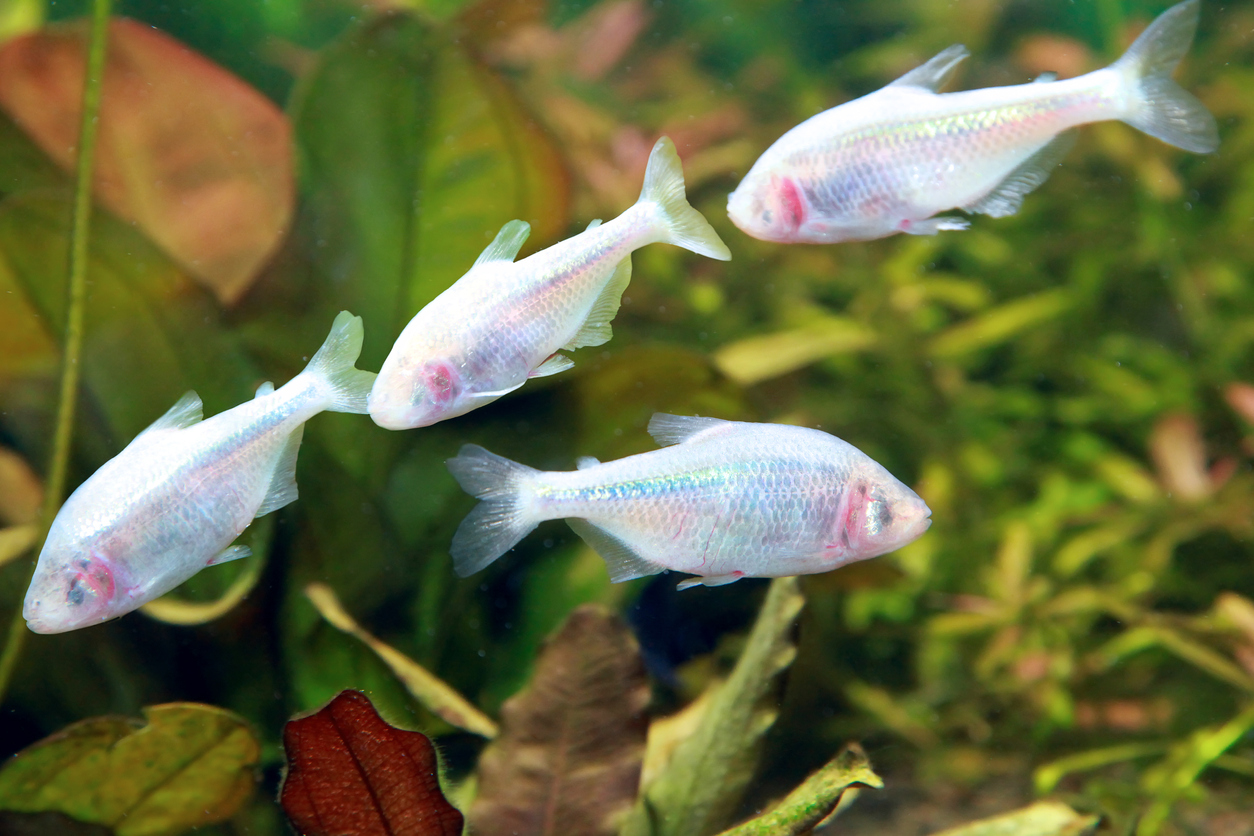
Deep beneath the surface of the Earth, far from sunlight and seasonal changes, lives an extraordinary group of animals known as cave fish. These fish have evolved to survive in complete darkness, making them one of the most fascinating examples of adaptation in the natural world. Living in underground rivers and caves, cave fish demonstrate how life can persist even in the most extreme environments.
Cave fish are found in freshwater caves around the world, including regions in Mexico, the United States, Europe, and parts of Asia. One of the most well known examples is the Mexican blind cave fish, scientifically called Astyanax mexicanus. These fish inhabit limestone caves where sunlight never reaches, and conditions remain stable but challenging.
One of the most striking features of cave fish is their lack of functional eyes. In many species, eyes are either extremely reduced or completely absent. Since light does not exist in their environment, eyes provide no survival advantage. Over thousands of generations, cave fish evolved to redirect energy away from maintaining vision and instead develop other sensory abilities.
In place of sight, cave fish rely heavily on enhanced senses such as touch, smell, and vibration detection. Their lateral line system, which detects water movement, is highly sensitive. This allows them to sense obstacles, locate food, and detect other organisms nearby. Their sense of smell is also exceptionally strong, helping them find scarce food sources in the darkness.
Cave fish typically have pale or colorless bodies. Pigmentation is unnecessary in an environment without light, so many species appear white, pink, or translucent. This lack of color is another energy saving adaptation, allowing the fish to survive with limited resources. Food in caves is often scarce, arriving only when organic material is washed in from the surface.
The diet of cave fish is varied but opportunistic. They feed on insects, small crustaceans, algae, and organic debris carried into caves by water flow. Some species have developed slow metabolisms, enabling them to survive long periods without food. This ability is crucial in environments where meals are unpredictable.
Reproduction in cave fish is also adapted to their dark surroundings. Many species rely on chemical signals rather than visual cues to find mates. Spawning often occurs in specific areas of caves where conditions are favorable. Because cave environments change very little, these fish are finely tuned to their habitat and sensitive to disruption.
Cave fish are of great interest to scientists studying evolution and genetics. By comparing cave dwelling fish with their surface dwelling relatives, researchers can observe how traits such as eyesight and pigmentation are lost or modified over time. These studies provide valuable insights into natural selection, adaptation, and even human medical research related to vision and sensory development.
Despite their resilience, cave fish are vulnerable to environmental threats. Pollution, groundwater extraction, and human disturbance can damage cave ecosystems. Because these fish are highly specialized, even small changes in water quality or flow can threaten their survival. Conservation efforts focus on protecting underground water systems and limiting human impact on cave habitats.
In conclusion, cave fish are remarkable animals that prove life does not depend on light to exist. Their ability to thrive in total darkness highlights the power of evolution and adaptation. By studying cave fish, we gain a deeper understanding of how organisms adjust to extreme conditions and how fragile yet resilient life can be beneath the Earth’s surface.
