



The platypus is a fascinating creature that defies traditional classifications of mammals. As one of the few mammals that lay eggs, the platypus combines reptilian and mammalian traits in a way that’s truly extraordinary. This semiaquatic animal, native to eastern Australia, not only lays eggs but also nurses its young with milk, making it a prime example of evolutionary uniqueness.
What Makes the Platypus So Unique?
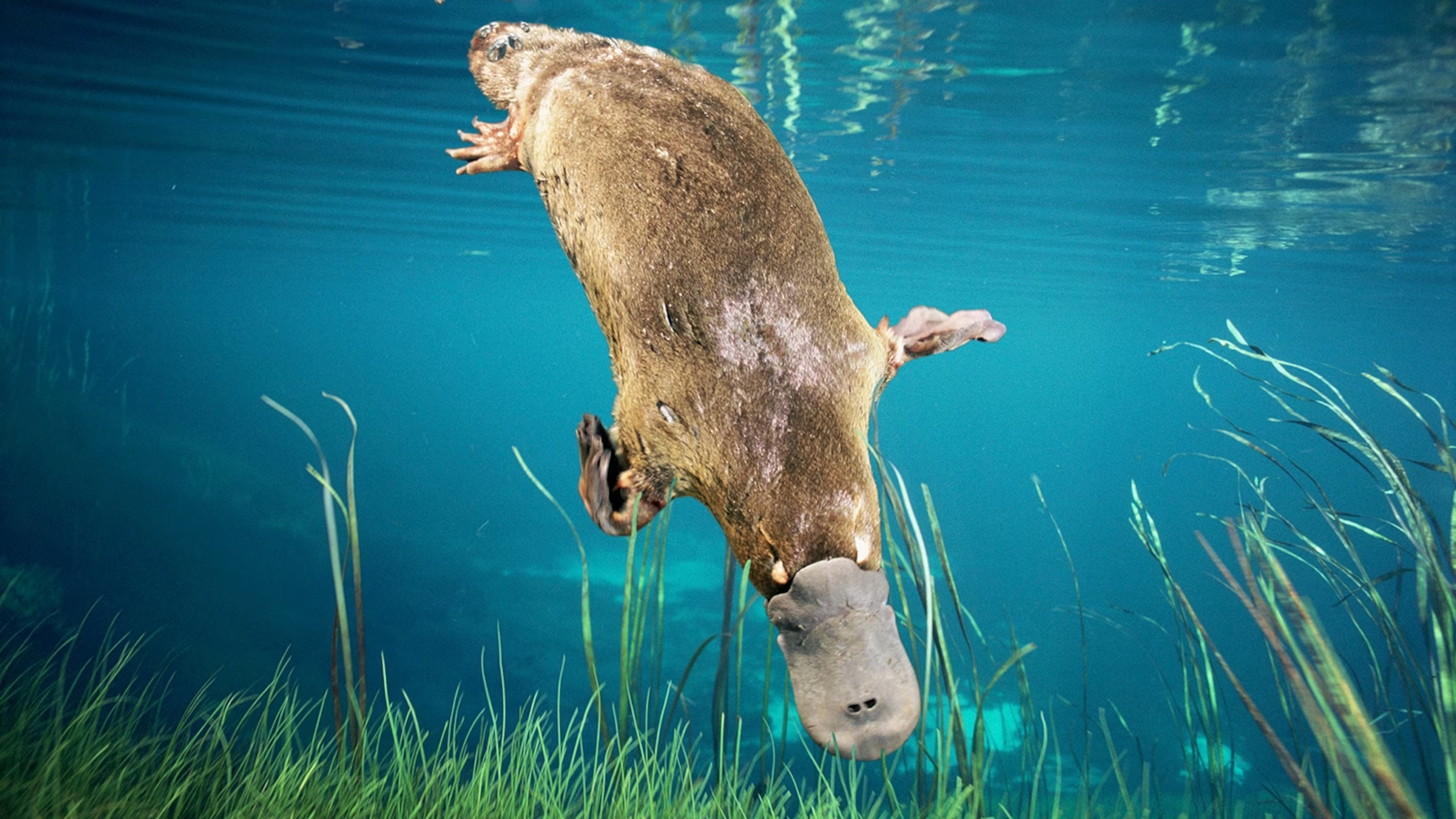
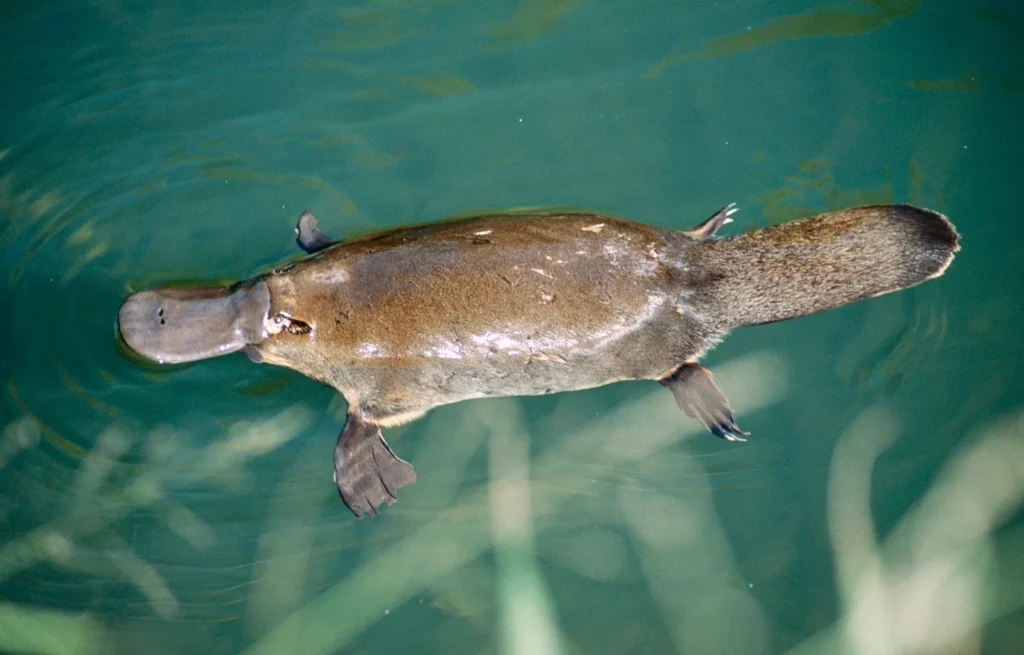
Often called the duck-billed platypus, this mammal has a distinctive appearance with a beaver-like tail, otter-like feet, and a bill resembling a duck’s. Scientifically known as Ornithorhynchus anatinus, the platypus belongs to the order Monotremata, which includes the only egg-laying mammals still in existence. Unlike most mammals that give birth to live young, monotremes like the platypus lay eggs, a trait shared with reptiles and birds.
Adult platypuses can grow up to 50 cm (20 inches) long and weigh around 1-2 kg (2-4 pounds). Males are equipped with venomous spurs on their hind legs, capable of delivering a painful sting to predators or rivals. Their electroreceptive bill allows them to detect electrical signals from prey in murky waters, showcasing advanced sensory adaptations.
The Egg-Laying Mammal: Reproduction and Nursing
One of the most intriguing aspects of the platypus is its reproductive process. Female platypuses lay 1-3 soft-shelled eggs in underground burrows near water edges. These eggs incubate for about 10 days before hatching into tiny, hairless babies known as puggles.
What sets the platypus apart as a mammal that lays eggs and nurses is its method of feeding the young. Mothers don’t have nipples; instead, they secrete milk through pores in their skin, which pools on the abdomen for the puggles to lap up. This nursing period lasts for 3-4 months, during which the young develop fur and learn to forage. The platypus shares this egg-laying trait with echidnas, the only other living monotremes.
Habitat, Diet, and Behavior
Platypuses inhabit freshwater rivers, streams, and lakes in eastern Australia, including Tasmania. They are excellent swimmers, using their webbed feet and flat tails for propulsion. These solitary animals are mostly nocturnal, spending days in burrows and emerging at dusk to hunt.
Their diet consists mainly of aquatic invertebrates like insects, larvae, and crayfish, which they locate using their sensitive bills. Platypuses can close their eyes, ears, and nostrils underwater, relying entirely on electroreception to navigate and find food.
Conservation Status and Threats
As one of the world’s most unique mammals, the platypus faces challenges from habitat loss, pollution, and climate change. They are currently listed as near threatened by the IUCN. Conservation efforts focus on protecting waterways and monitoring populations to ensure this egg-laying mammal continues to thrive.
Why the Platypus Captivates Us
The platypus, a mammal that lays eggs and nurses its young, stands as a testament to nature’s diversity. From its bizarre anatomy to its ancient lineage, it challenges our understanding of evolution and inspires wonder. Whether you’re a wildlife enthusiast or just curious about unique animals, the platypus remains an icon of Australia’s biodiversity.
