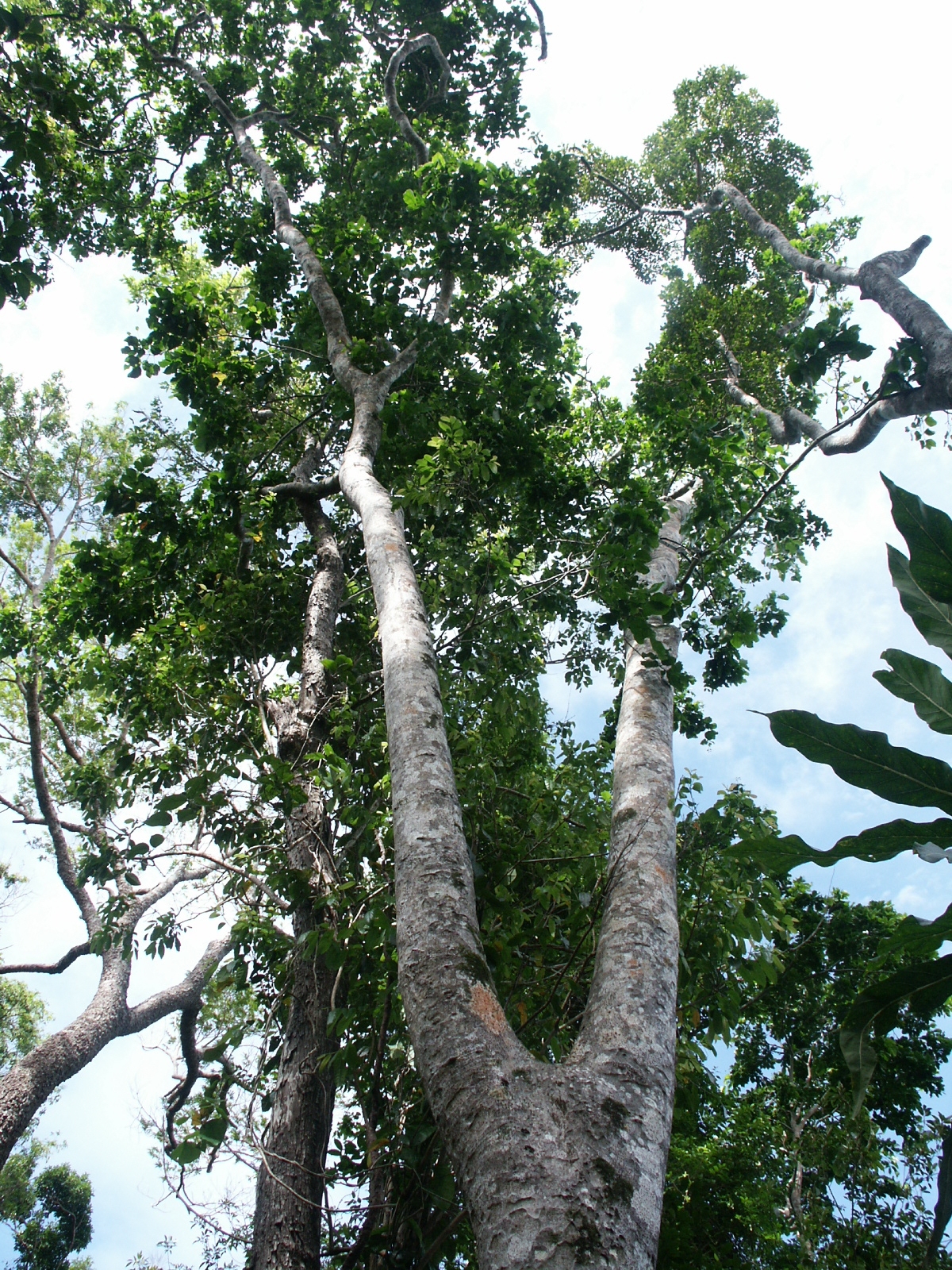
The Merbau tree (Intsia bijuga) is one of the most iconic hardwood species in Southeast Asia and the Pacific region. Known for its exceptional durability, deep reddish-brown color, and long lifespan, Merbau has been valued for centuries as a premium construction material. Beyond its commercial use, Merbau is also a fascinating tree with unique biological characteristics and ecological roles that set it apart from other tropical timber species.
This SEO-optimized article discusses the Merbau tree from a botanical, ecological, cultural, and industrial perspective, offering in-depth information suitable for blogs, magazines, or niche websites.
What Makes the Merbau Tree Unique?
The Merbau tree is renowned for its combination of strength, density, natural oils, and resistance to extreme conditions. These features make its wood highly sought after in the global market.
1. Exceptional Durability
Merbau is considered one of the strongest hardwoods in the world. It is resistant to rot, termites, humidity, and harsh outdoor weather making it ideal for decking, flooring, and structural applications.
2. Distinctive Reddish-Brown Color
Merbau wood ranges from golden brown to deep reddish-brown. Over time, exposure to light enhances its richness, making it desirable for high-end interior design.
3. Slow Growth and Dense Fiber Structure
Because Merbau trees grow slowly, the wood becomes extremely dense and stable. This density contributes to its durability and long lifespan.
4. Naturally Oily Composition
The natural oils and tannins found in Merbau wood increase its resistance to fungi and moisture, giving it a glossy appearance when properly polished.
Natural Habitat and Distribution
The Merbau tree is native to tropical regions, thriving across:
- Indonesia (especially Papua, Maluku, Sulawesi)
- Papua New Guinea
- Solomon Islands
- Malaysia
- Northern Australia
- Fiji and Vanuatu
It grows best in lowland tropical rainforests, often near rivers, swamps, and high-moisture areas. Mature Merbau trees can reach 40–50 meters tall, with large trunk diameters exceeding 1.5 meters.
Uses of Merbau Wood: From Ancient Traditions to Modern Architecture
Merbau has been used for centuries due to its strength, versatility, and beauty.
1. Premium Flooring
Merbau flooring is highly valued for its striking color and durability. It is commonly used in luxury homes, hotels, and high-end commercial spaces.
2. Outdoor Decking and Heavy Construction
Thanks to its resistance to moisture and decay, Merbau is ideal for:
- Decks
- Bridges
- Marine structures
- Outdoor furniture
Its stability makes it one of the most reliable woods for extreme outdoor environments.
3. Cultural and Traditional Uses
Indigenous communities in Papua and Melanesia have long used Merbau wood to craft:
- Spears
- Carved ornaments
- Tribal tools
- Musical instruments
4. High-Strength Furniture
Merbau furniture lasts for decades with minimal maintenance. Its heavy density makes it suitable for premium, long-lasting pieces.
Ecological Importance of the Merbau Tree
Merbau is not only a commercial asset but also a key contributor to tropical ecosystems.
1. Wildlife Habitat
The tree provides shelter, food sources, and nesting sites for:
- Birds
- Mammals
- Reptiles
- Insects
Its large canopy creates microhabitats essential for biodiversity.
2. Soil and Water Regulation
Its deep root system helps prevent erosion, especially in riverbank and swamp environments.
3. Long-Term Carbon Storage
Because Merbau trees grow slowly and live long, they store carbon for centuries, helping mitigate climate change.
Threats to Merbau Trees
Despite its ecological importance, the Merbau tree is facing serious threats:
- Illegal logging driven by high demand
- Deforestation for mining and plantations
- Slow natural regeneration
- Limited monitoring in remote areas
Due to these threats, Merbau has been identified as a species in need of protection and sustainable forest management.
Sustainable Solutions for Protecting Merbau
To protect Merbau for future generations, several measures are being encouraged:
- Establishing certified sustainable plantations
- Promoting FSC or PEFC-certified wood products
- Strengthening anti-illegal logging regulations
- Supporting local community forest programs
- Encouraging consumers to choose legal, traceable timber
The Merbau tree is a remarkable symbol of Southeast Asia’s natural wealth. Its strength, beauty, and resilience make it one of the world’s most valuable hardwood species. However, its future depends on responsible management and global support for sustainable forestry.
By understanding the ecological and cultural value of Merbau, we can help protect this extraordinary tree and ensure that it continues to thrive for generations to come.
