The Enigmatic Beauty of Desert Oases
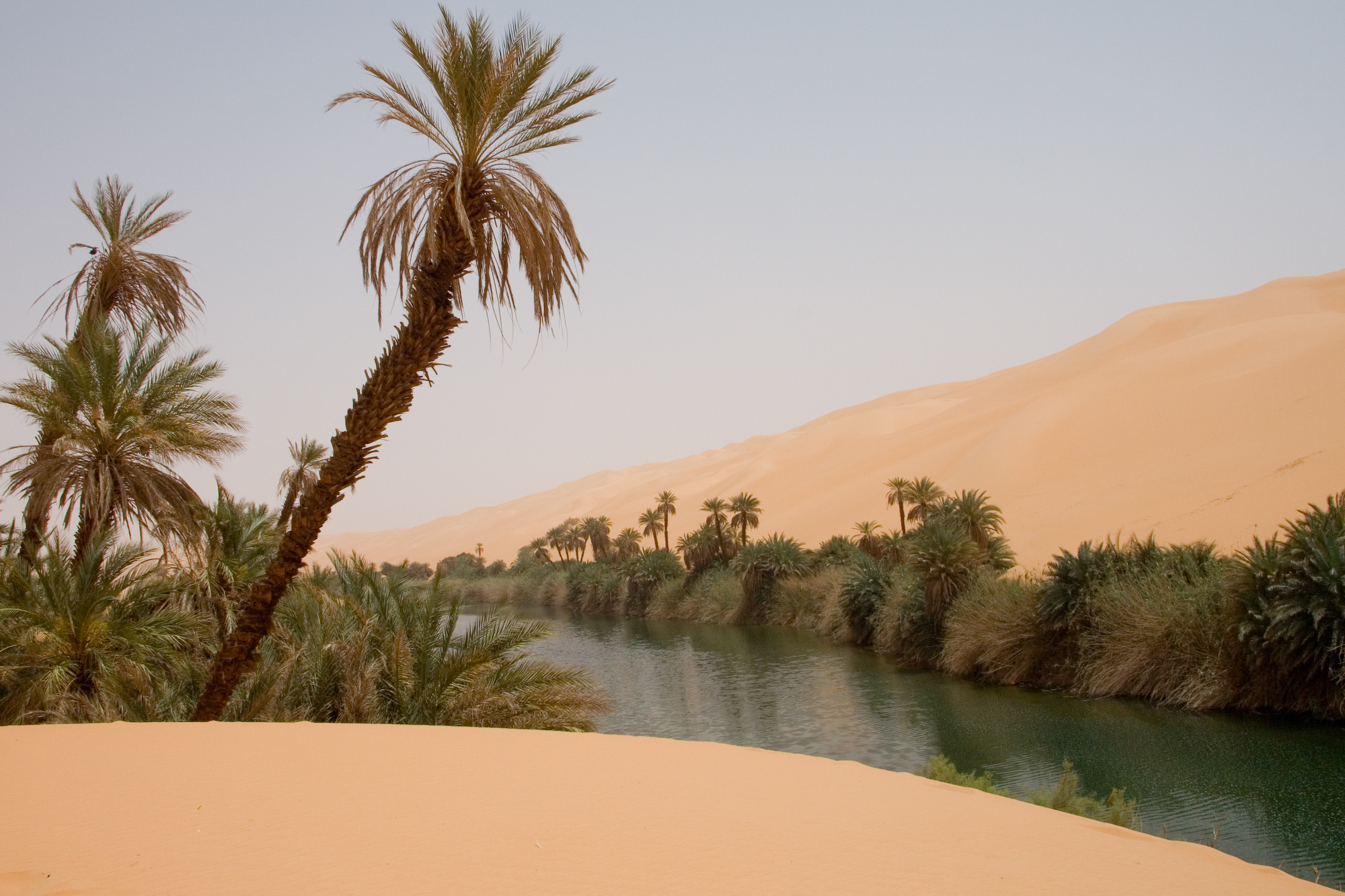
In the vast expanse of Libya’s Sahara, the Ubari Lakes emerge as a breathtaking anomaly a cluster of natural oases amid endless dunes. Known as the Ubari Sand Sea or Idehan Ubari, this region in southwestern Libya’s Fezzan features about 20 palm-fringed lakes, remnants of ancient mega-lakes from wetter Pleistocene epochs.
These hypersaline bodies, like Gaberoun (Mandara) and Umm al-Maa (“Mother of Waters”), sustain life in one of Earth’s harshest environments, drawing adventurers and scientists alike.
Geological Formation and History
Formed 200,000 years ago during humid periods, the lakes are fed by underground aquifers from the Nubian Sandstone system. As climate aridified around 5,000 years ago, larger lakes shrank, leaving interdunal depressions filled with water. High evaporation concentrates salts, creating vivid turquoise hues against golden sands.
Archaeological sites reveal human presence since Neolithic times, with Tuareg nomads using oases as trade hubs along trans-Saharan routes. Ancient rock art depicts wildlife now extinct in the area.
Flora and Fauna in an Arid Paradise
Despite salinity, date palms (Phoenix dactylifera) thrive, providing shade and fruit. Reeds and grasses fringe shores, supporting birds like herons and migratory species. Aquatic life includes algae, brine shrimp, and adapted fish, forming unique ecosystems.
Mammals like fennec foxes and gazelles visit for water, while reptiles bask in the sun. Biodiversity hotspots, these lakes highlight adaptation in extremes.
The Iconic Lakes: Gaberoun and Umm al-Maa
Gaberoun Lake, the largest, spans several kilometers, surrounded by dunes up to 100 meters high.
Its shores host abandoned Berber villages, evoking lost civilizations. Umm al-Maa, deeper and saltier, allows effortless floating due to buoyancy, rivaling the Dead Sea.
Other lakes like Mahfou and Gebraoun vary in size, some seasonal, fluctuating with rare rains.
Cultural and Nomadic Heritage
Tuareg communities have inhabited Ubari for centuries, herding camels and trading salt. Festivals celebrate oases, with music and storytelling. Modern tourism offers jeep safaris and swimming, but political instability limits access.
Local legends describe lakes as gifts from gods, sustaining life amid desolation.
Environmental Challenges and Conservation
Climate change exacerbates evaporation, shrinking lakes; some have vanished since the 1980s. Over-extraction of groundwater for agriculture threatens aquifers. Pollution from tourism adds pressure.
Libyan efforts, with international aid, monitor water levels and promote sustainable visits. UNESCO considers nomination as a natural heritage site.
Adventure and Exploration Opportunities
Travelers reach Ubari via Sabha, then off-road to lakes. Camping under stars, floating in saline waters, and dune surfing provide thrills. Safety advisories are crucial due to remoteness.
Scientific expeditions study paleoclimatology through sediments, revealing Sahara’s green past.
Future Prospects for Ubari’s Oases
As global warming intensifies, preserving these miracles is vital. Eco-tourism could fund conservation, balancing human needs with nature.
Ubari Lakes stand as testaments to resilience, reminding us of water’s precious role in deserts.
