


Moringa ovalifolia is one of the most unique and visually striking tree species found in southern Africa. Often called the African Bottle Tree, this species stands out because of its swollen, bottle-shaped trunk and ability to survive some of the harshest climates in the world. While many people are familiar with Moringa oleifera (the well-known drumstick tree), Moringa ovalifolia is a rarer, more specialized species with extraordinary ecological adaptations.
Native to Namibia and Angola, this unique tree plays an important role in desert and semi-desert ecosystems. With its drought resistance, water-storing trunk, and distinctive appearance, it has gained global attention from botanists, ecologists, and nature enthusiasts. This SEO-optimized article explores the biology, habitat, uses, and conservation significance of Moringa ovalifolia.
What Makes Moringa ovalifolia Unique?
Moringa ovalifolia belongs to the Moringaceae family, but it differs significantly from other members due to its extreme desert adaptations.
1. The “Bottle Tree” Trunk
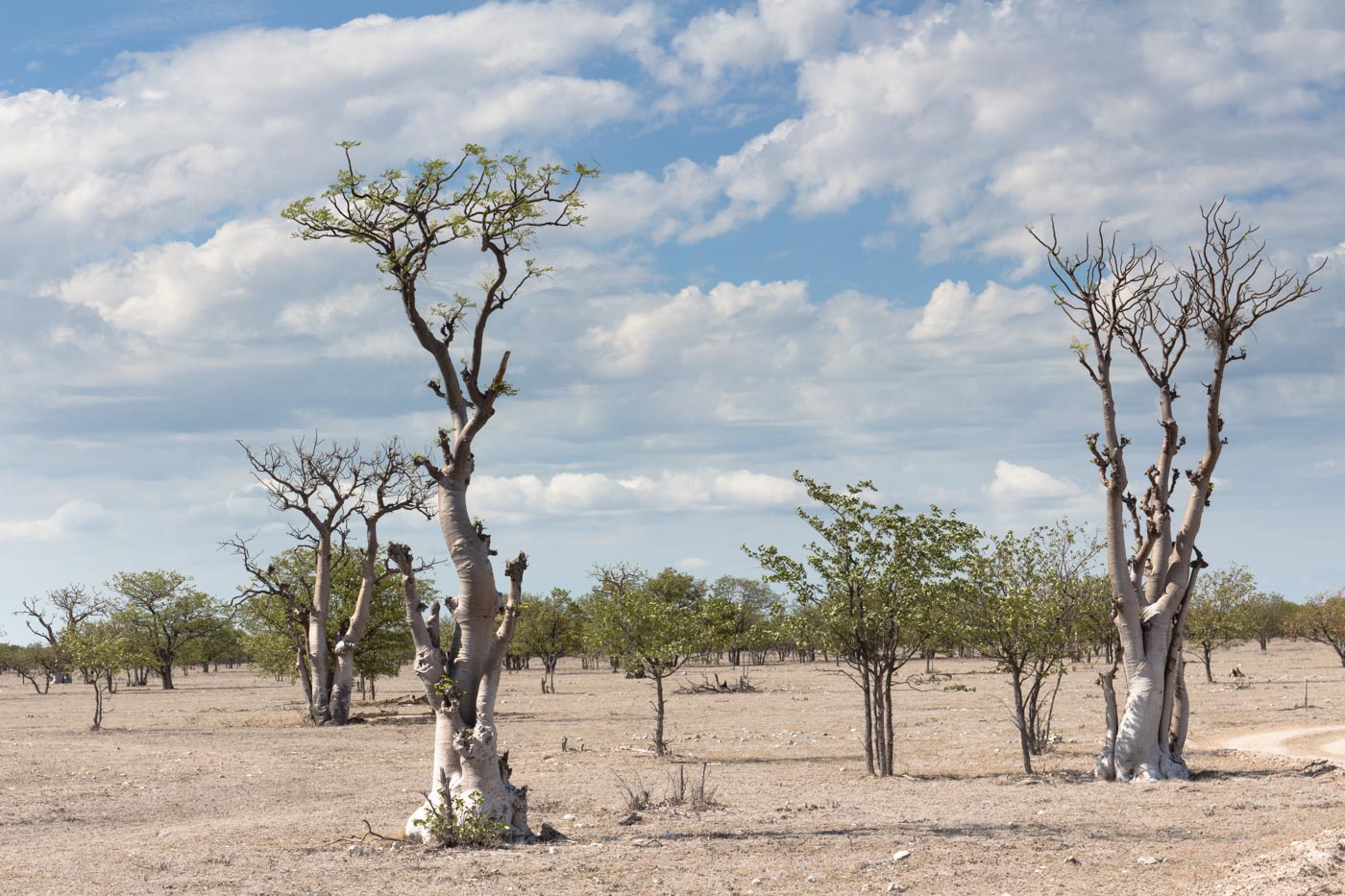
The most striking feature of this tree is its enlarged, water-filled trunk. This swollen base allows the tree to survive months of drought by storing large amounts of moisture.
2. Leaf Adaptations for Arid Climates
The tree has thick, oval-shaped leaves that reduce water loss. During extremely dry seasons, it may shed its leaves to conserve energy.
3. High Heat & Drought Tolerance
Moringa ovalifolia thrives in:
- Sandy or rocky soils
- High temperatures
- Very low rainfall
These conditions would kill most plants, but the bottle tree is built to endure.
4. Smooth, Pale Bark
The bark is usually light grey and smooth, helping reflect sunlight and maintain cooler internal temperatures.
Natural Habitat and Geographic Distribution
Moringa ovalifolia is endemic to:
- Namibia (particularly the Etosha region)
- Southern Angola
- The Kaokoveld Desert
These regions are known for extreme dryness, rocky landscapes, and minimal vegetation. The tree typically grows on rocky hillsides, open savannas, and desert slopes, where its deep roots can reach underground moisture.
Despite living in harsh environments, it can reach 7–10 meters in height and develop an impressively thick trunk that sometimes exceeds 1 meter in diameter.
Ecological Importance of Moringa ovalifolia
Although it may look strange or even isolated in the desert, Moringa ovalifolia plays a critical ecological role.
1. Storage of Water in Dry Months
The tree acts as a natural reservoir. Many animals, especially in extreme drought, rely on it for moisture.
2. Habitat for Birds and Insects
During flowering seasons, Moringa ovalifolia produces creamy-white flowers that attract pollinators such as bees and specialized desert insects.
3. Soil Stabilization
Its strong root system helps prevent soil erosion in rocky areas.
4. Shade Provider
In open desert landscapes, this tree provides rare shade, helping small animals shelter from strong sunlight.
Cultural and Traditional Uses
While Moringa ovalifolia is not as widely used as Moringa oleifera, it still holds significance in certain communities.
1. Traditional Medicine
Indigenous groups have used its leaves and bark for:
- Minor wound treatments
- Digestive relief
- Anti-inflammatory herbal preparations
2. Emergency Water Source
The water-storing trunk can be used as a last-resort water supply during extreme drought, though it is not commonly harvested to avoid damaging the tree.
3. Symbol of Survival
In desert cultures, the tree is often seen as a symbol of resilience due to its ability to remain green in unforgiving climates.
Does It Have Nutritional Properties Like Moringa oleifera?
Moringa oleifera is famous for its edible leaves and seeds, but Moringa ovalifolia is not commonly consumed. While the leaves contain beneficial compounds, the species is more valued for its ecological importance than nutritional use.
Threats and Conservation Status
Even though Moringa ovalifolia grows in remote areas, it still faces several threats:
1. Climate Change
Increasing drought intensity and temperature fluctuations may disrupt its natural growth cycles.
2. Habitat Disturbance
Mining, road expansion, and tourism in Namibia can threaten natural populations.
3. Overharvesting
Although rare, some people attempt to cut or tap the tree for water or bark, which endangers its survival.
4. Slow Growth
Like many desert-adapted trees, Moringa ovalifolia grows slowly and has a limited ability to regenerate after damage.
To protect this species, conservation programs focus on habitat preservation, scientific monitoring, and responsible ecotourism practices.
Why Moringa ovalifolia Attracts Global Interest
As the world becomes more interested in climate-resilient plants, Moringa ovalifolia has caught the attention of:
- Botanists studying desert adaptation
- Landscape designers seeking unique ornamental species
- Ecologists analyzing drought-resistant trees
- Conservationists promoting biodiversity
Its dramatic trunk shape also makes it a visually stunning tree for photography, documentaries, and environmental education.
Moringa ovalifolia stands as one of nature’s most remarkable survivors. With its bottle-shaped trunk, drought adaptation, and ecological significance, it has become a symbol of resilience in the deserts of southern Africa. While it may not be as widely used as its famous relative Moringa oleifera, its uniqueness makes it an important species for conservation and global botanical interest.
Understanding and protecting Moringa ovalifolia ensures that future generations can continue to admire one of Africa’s most extraordinary natural treasures.
