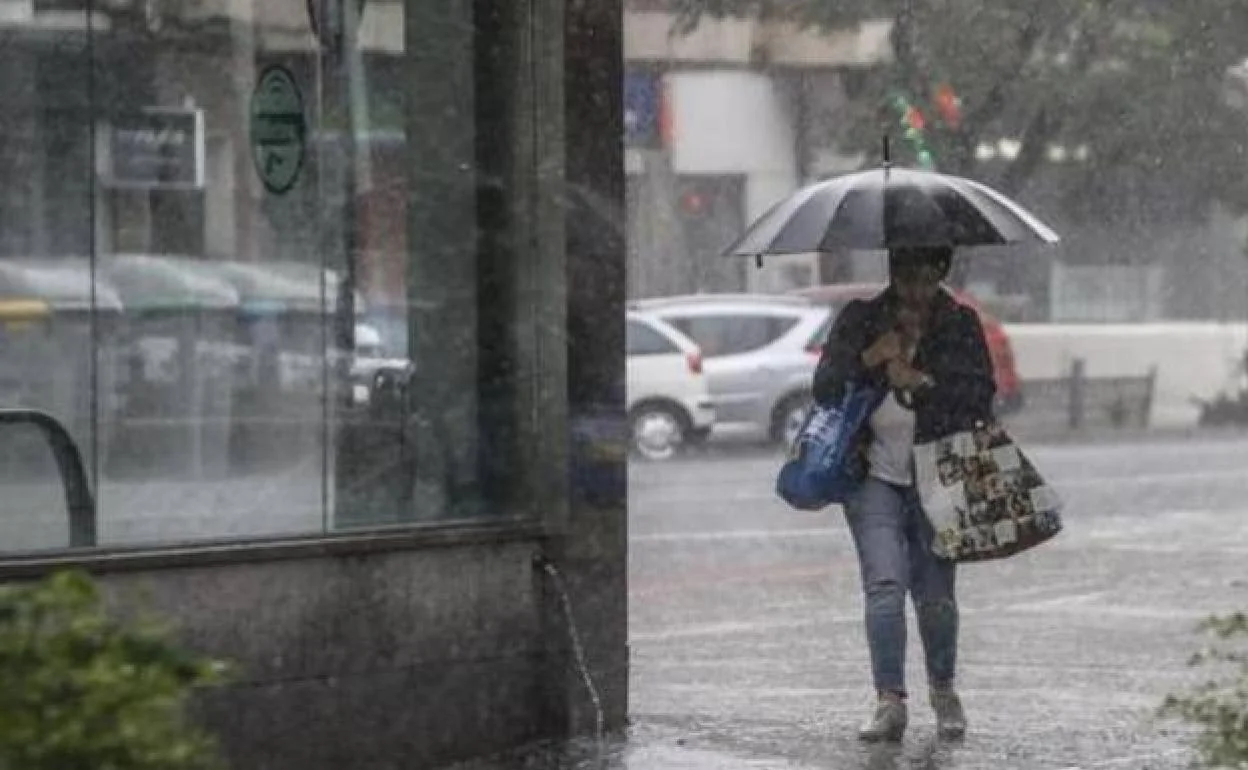
Muddy rain in Spain is one of the most unusual weather events that captures public attention every year. This phenomenon occurs when raindrops fall to the ground carrying dust and fine particles, creating the appearance of brown or reddish muddy water. While it might look alarming at first glance, muddy rain is a natural process caused by weather patterns that link Africa and Europe. This unique event highlights how distant regions of the planet can influence each other in surprising ways.
Muddy rain forms when strong winds lift dust from the Sahara Desert into the atmosphere. During storm events, heat waves, or high wind activity, enormous amounts of desert dust rise into the air and travel long distances. When these dust-filled air masses move northward and meet rain clouds over Spain, the dust mixes with water droplets. Once it rains, the water brings the dust to the ground, creating the muddy or reddish appearance familiar to locals across the region.
This phenomenon is especially common in southern and eastern Spain. Areas such as Andalusia, Murcia, Valencia, and the Canary Islands experience muddy rain several times a year. However, stronger dust events can spread across the entire country and even reach other European regions, including France and Italy. The most frequent period for muddy rain is between late winter and early summer. During this time, weather patterns over the Mediterranean make it easier for dust from Africa to travel northward.
While muddy rain is harmless, it creates noticeable effects on daily life. One of the most visible impacts is the thick layer of dust that remains on cars, windows, and buildings after the rain stops. Car owners often wake up to find their vehicles completely covered in brown or red stains. Cleaning this muddy layer can be challenging because the dust particles are fine and cling tightly to surfaces. Solar panels are also affected because accumulated dust can reduce their efficiency by up to half until they are cleaned.
On the other hand, muddy rain plays a beneficial ecological role. The dust from the Sahara contains rich minerals, including iron and phosphorus, which are essential for plant growth. When rain brings these minerals to Spanish soil, it helps boost nutrient levels in agricultural areas. Scientists have noted that this dust also travels across oceans and contributes to the nutrient cycle in distant ecosystems like the Amazon rainforest. This makes muddy rain part of a much larger natural process that enriches global environments.
The visual impact of muddy rain draws attention from photographers, travelers, and weather enthusiasts. Before the rain begins, the sky often turns an unusual shade of orange or brown. This creates an atmospheric mood that many find dramatic or mysterious. Social media platforms frequently see spikes in posts showing orange skies and dust-covered landscapes whenever muddy rain occurs. The unusual appearance makes it a popular topic in weather reports and local news.
Muddy rain is not a new phenomenon. Historical records show that events like this have been occurring in Europe for centuries. However, modern monitoring tools now allow scientists to track dust storms more accurately. In recent years, changes in global climate patterns have contributed to stronger and more frequent dust events. Warmer temperatures and shifting wind patterns influence how often dust travels from the Sahara to Europe. As a result, muddy rain is expected to remain a recurring event in regions around the Mediterranean.
Residents of Spain have grown familiar with this natural phenomenon. When meteorologists forecast dust intrusions, known locally as calima, people prepare by delaying car washes, closing windows, and covering outdoor items. Cities may issue air quality warnings because dust concentrations can temporarily rise before the rain begins. Once the muddy rain falls, conditions typically improve as the dust is removed from the air.
Muddy rain in Spain is a striking example of how interconnected the Earth’s systems are. A storm in the Sahara can affect life hundreds or even thousands of kilometers away. The phenomenon not only creates unusual visual scenes but also contributes to natural cycles that support life in multiple regions. Its blend of beauty, inconvenience, and scientific value makes it one of the most interesting weather events to observe each year.
