




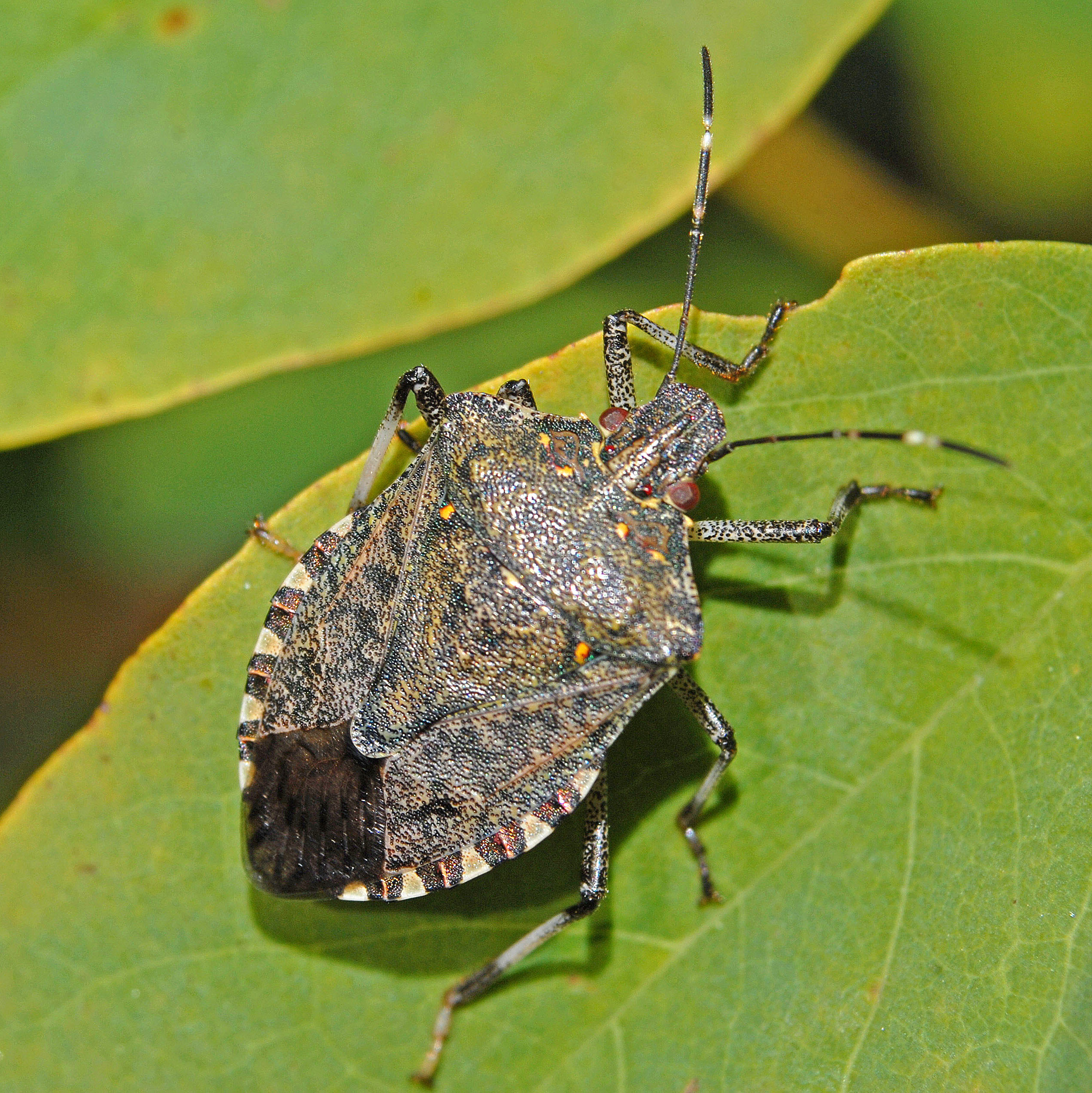
A Smell That Saves Lives
The humble stink bug might not look dangerous, but it carries a surprisingly effective survival weapon. When threatened, it releases a sharp, unpleasant odor that can repel predators instantly. This chemical defense system has allowed stink bugs to thrive across forests, farms, and urban gardens worldwide.
What Is a Stink Bug
Stink bugs belong primarily to the family Pentatomidae. Hundreds of species exist, varying in color from green to brown and patterned forms. They feed on plant sap, fruits, and seeds using piercing mouthparts.
While many people encounter them as crop pests or household invaders, in nature they are an important part of food webs.

How the Chemical Defense Works
Specialized glands in the stink bug’s thorax produce volatile compounds that are stored until danger arises. When attacked or disturbed, the insect ejects this fluid through tiny openings.
The odor is often described as:
- Sharp and cilantro like
- Rotten or sulfurous
- Bitter and lingering
Predators such as birds, lizards, and spiders quickly learn to avoid insects that smell this way.
What Chemicals Create the Smell
The defensive spray contains aldehydes and hydrocarbons that irritate sensory organs. These compounds can confuse attackers and leave lasting impressions, discouraging repeat encounters.
Some species even use these chemicals to communicate with other stink bugs, sending alarm signals when danger approaches.
Evolutionary Advantages
Chemical defense reduces the need for physical confrontation. Instead of fighting, stink bugs rely on deterrence, which costs less energy and lowers injury risk.
Bright coloration in some species may even warn predators of their unpleasant chemistry before an attack occurs.
Human Interactions
Agricultural species such as the brown marmorated stink bug damage crops, leading farmers to develop monitoring and control strategies. Despite this, researchers study stink bugs to better understand insect chemistry and natural pest management systems.
The stink bug proves that survival in nature does not always require claws or venom. Sometimes, a powerful smell is enough to keep danger away.
