
A City Lost in Time
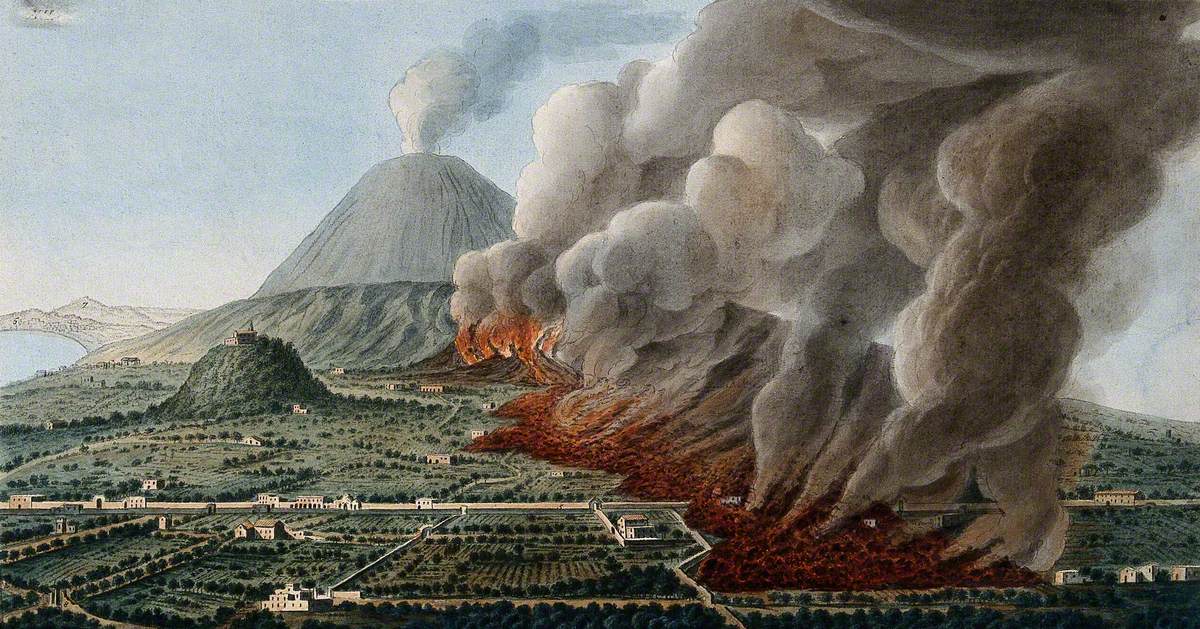
Pompeii, an ancient Roman city near modern Naples, Italy, became frozen in an instant in 79 AD when Mount Vesuvius erupted violently, burying the city under ash and volcanic debris. For centuries its story lay hidden until its rediscovery offered a unique window into antiquity.
The Cataclysmic Eruption
On August 24, 79 AD:
- Vesuvius exploded with massive force.
- Ash, pumice, and toxic gases rained down.
- A pyroclastic surge overwhelmed Pompeii.
Unlike lava flows, the deadly material that buried Pompeii was hot ash and gas moving at high speed, freezing life as it once was.
What “Frozen” Means in Pompeii
“Frozen” here doesn’t mean cold it means preserved in place:
- Buildings, artifacts, and even people were encased.
- The volcanic ash hardened into a protective layer.
- Organic details such as woodwork and fabrics survived in impressions.
Plaster Casts – Faces from the Past
When 19th-century archaeologists discovered voids in the ash layers, they poured plaster into the cavities. The result:
- Realistic casts of people who died instantaneously.
- Frozen moments of fear, grief, even protective poses.
These haunting figures make Pompeii an emotional as well as historical experience.
A City Preserved – Streets and Structures
Pompeii’s ruins reveal:
- Townhouses with frescoed walls.
- Public baths with tiled mosaics.
- Shops stocked with goods.
- Streets paved with stones worn by ancient traffic.
This real-life time capsule shows how Romans lived, worked, and socialized.
Archaeology and Innovation
Pompeii is one of the most studied archaeological sites in the world. Excavations have:
- Revealed urban planning techniques.
- Provided insights into diet and health.
- Shown religious and cultural practices.
The city reveals details no written record could fully explain.
Life Interrupted
Before the eruption:
- Pompeii was a thriving port and market city.
- Residents enjoyed baths, theaters, and festivals.
- Commerce and agriculture supplemented daily life.
The eruption froze these details not in literal ice but in hardened ash.
Legacy of Pompeii
Pompeii captivates because:
- It humanizes ancient history.
- It preserves everyday life in dramatic detail.
- It reminds us how natural forces can reshape civilizations.
Pompeii’s frozen heritage a city unearthed beneath volcanic ash offers an unparalleled look at life in ancient Rome and continues to shape our understanding of human history.
