




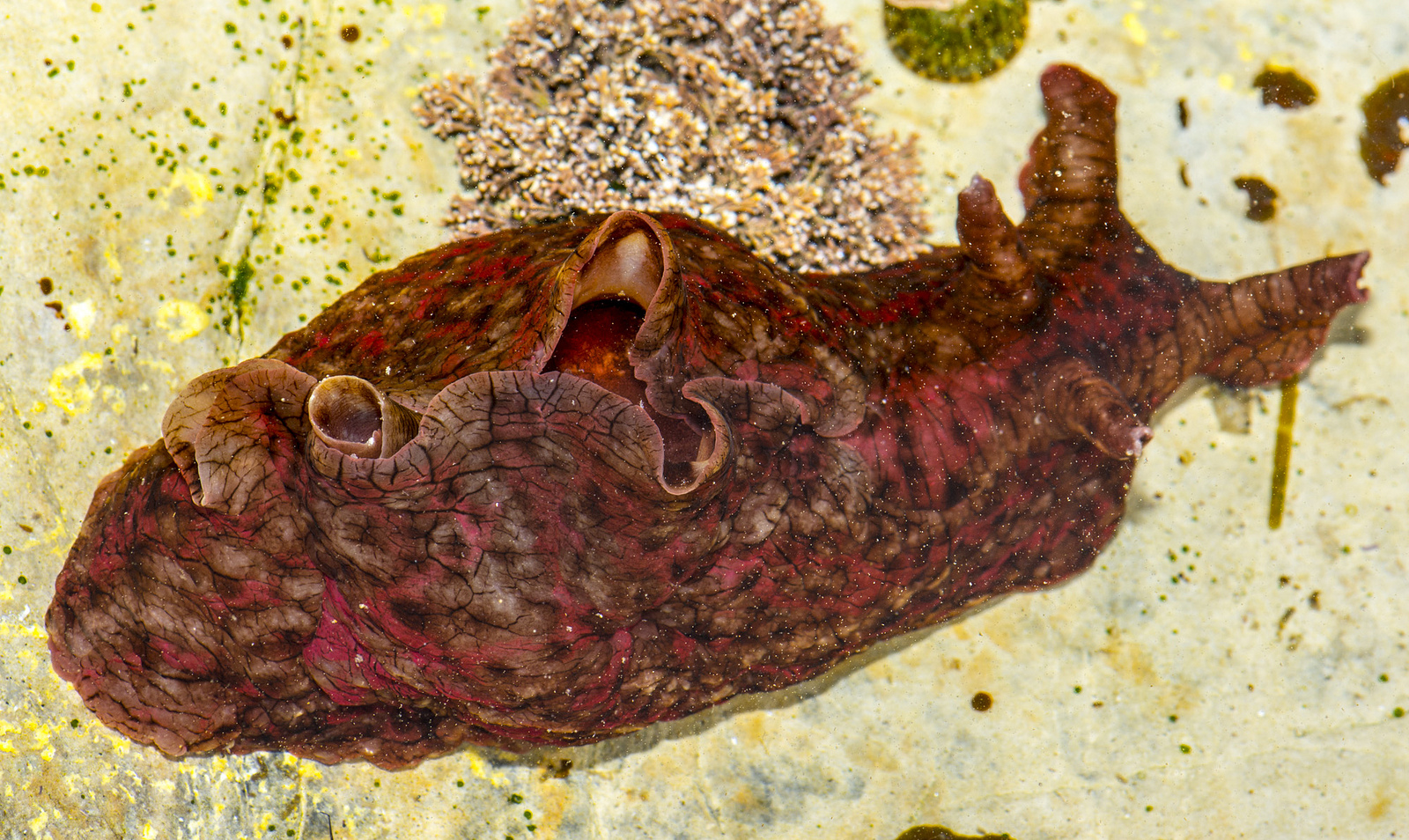
The ocean is home to many strange and fascinating creatures, but few are as surprising as the sea slug known for its ability to erase its own memories. This unique animal has captured the attention of scientists because it can purposely remove information from its nervous system. While most animals depend on memory for survival, the sea slug shows that forgetting can sometimes be an advantage. Its remarkable biology reveals new insights into how memory works in the natural world.
A Simple Yet Extraordinary Marine Creature
Sea slugs, also known as nudibranchs, live in oceans all over the world. They come in many colors and shapes, often displaying bright patterns that make them easy to recognize. Although they look delicate, sea slugs are resilient animals that have evolved unusual survival strategies. One of the most studied species is Aplysia californica, which has a simple nervous system that makes it ideal for research.
This species does not rely on complex behavior, but its ability to manage memory has made it a valuable model for neuroscience. Scientists discovered that the sea slug can not only store memories but also erase them when necessary. This discovery shows that memory is not fixed and that even simple animals can control their learning processes.
How Sea Slugs Form and Erase Memories
Sea slugs form memories through changes in the connections between their nerve cells. When exposed to repeated stimuli, they strengthen the connections that allow them to remember experiences. This is similar to how learning works in many other animals. However, what makes the sea slug special is its ability to weaken or remove these connections intentionally.
In certain situations, the sea slug can erase long term memories by reversing the changes in its neurons. Scientists believe this occurs when the memory is no longer useful or when erasing it helps reduce stress. This selective forgetting allows the sea slug to adapt quickly to new environments. Instead of carrying unnecessary information, it resets its nervous system and becomes more responsive to current conditions.
Why Forgetting Can Be Helpful
In the natural world, forgetting can be just as important as remembering. For the sea slug, clearing old memories may help it avoid confusion when environmental conditions change. For example, if the sea slug learns that a certain stimulus is dangerous but later moves to a safer area, keeping that memory may cause unnecessary stress or defensive behavior.
By erasing outdated memories, the sea slug can respond more effectively to new situations. This ability also protects the animal from constant stimulation that might overwhelm its simple nervous system. While humans often view forgetting as a weakness, in the case of the sea slug it is a powerful survival tool.
Scientific Importance of the Sea Slug
The sea slug has played a major role in understanding how learning and memory function in all animals, including humans. Its large nerve cells make it easier for researchers to study the electrical and chemical signals involved in forming memories. Some of the earliest discoveries about synaptic plasticity, the process that allows neurons to change, came from research on sea slugs.
Scientists use the sea slug to explore how memory can be strengthened, weakened or erased. These studies have led to important insights about human conditions that involve memory loss or memory disorders. By learning how a simple creature manages its memories, researchers can better understand diseases such as dementia and post traumatic stress disorder.
The Natural Habitat of Sea Slugs
Sea slugs live in shallow coastal waters, coral reefs and rocky shorelines. They feed on algae, sponges and small marine organisms. Their bright colors not only make them beautiful but also signal potential danger to predators. Some species produce toxins that make them difficult to eat. Others absorb toxins from their prey and store them in their bodies as protection.
Their soft bodies and slow movements make them vulnerable, but their ability to erase memories is an adaptation that supports their survival. By staying flexible and responsive to their surroundings, sea slugs thrive in a wide range of ocean environments.
The Role of Sea Slugs in Marine Ecosystems
Although they are small, sea slugs play an important role in maintaining the balance of marine ecosystems. They help control algae growth and keep coral reefs healthy. Some species have symbiotic relationships with algae, storing algae cells inside their tissues to receive energy from sunlight. This unusual relationship further highlights the adaptability of sea slugs.
Their presence in the ocean also serves as an indicator of environmental health. When sea slug populations decline, it can signal changes in water quality or disruptions in the food chain. Because they are sensitive to pollution, they help researchers monitor the condition of marine habitats.
A Remarkable Example of Nature’s Flexibility
The sea slug’s ability to erase its memories challenges the common idea that memory is always beneficial. Instead, it shows that forgetting can be a powerful strategy for survival. This unusual biological feature has helped scientists uncover important secrets about the nature of learning and memory. It also demonstrates how even the simplest animals possess remarkable abilities.
From its vivid colors to its unique neurological traits, the sea slug stands out as one of the most interesting creatures in the ocean. Its capacity to control its own memory makes it not only a scientific wonder but also a symbol of the incredible diversity found beneath the waves.
