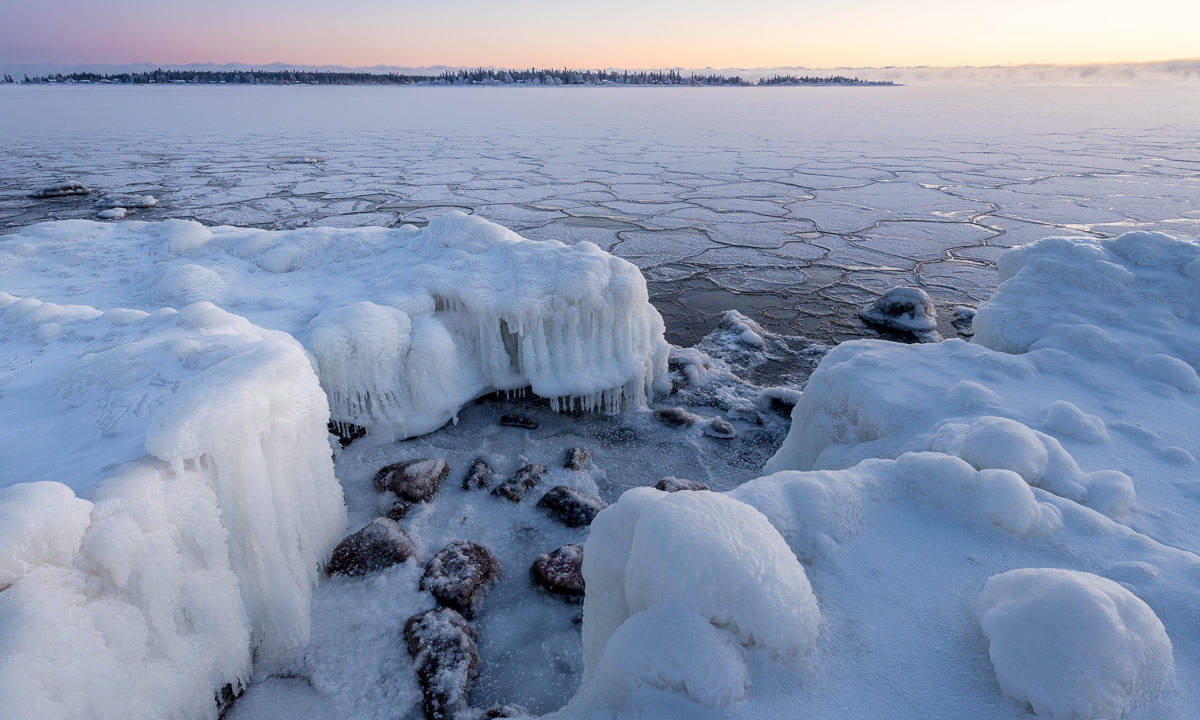
The Baltic Sea is known for its dramatic winter transformation, when large portions of its surface freeze into crystal-like ice formations. This natural phenomenon creates breathtaking landscapes that attract photographers, travelers, and nature enthusiasts from around the world. As one of the few seas in Europe that regularly freezes, the Baltic Sea offers a rare glimpse into the beauty and power of extreme winter conditions.
Why the Baltic Sea Freezes
The Baltic Sea is one of the coldest and least salty seas on Earth. Its low salinity and relatively shallow depth allow it to freeze more easily compared to other large bodies of saltwater. During winter, when temperatures drop well below zero, the surface gradually forms a thick sheet of ice that can extend for hundreds of kilometers.
In especially cold winters, nearly the entire northern Baltic Sea freezes over. The ice reflects sunlight and wind, creating mesmerizing patterns that resemble crystal shards, white plains, or polished glass.
Crystal Ice Formations
One of the most iconic features of the frozen Baltic Sea is the appearance of crystal-clear ice. These formations occur when the sea freezes without bubbles, sediments, or snow interfering with the process. The result is transparent, glasslike ice layers that create an otherworldly landscape.
Sharp ice plates, blue-toned ice blocks, and naturally sculpted formations often wash up along the shores of Estonia, Finland, Latvia, and Sweden. These striking visuals make the Baltic Sea a popular subject for winter photography.
Winter Activities on the Frozen Baltic
In regions where the ice becomes thick enough, locals and visitors enjoy various outdoor activities, including:
- walking or hiking on the frozen sea
- ice skating across natural ice sheets
- ice fishing in designated areas
- photographing rare ice patterns and formations
Safety remains a priority, and visitors are encouraged to follow local guidelines, as ice thickness can vary from place to place.
Wildlife and the Frozen Sea
Winter changes the behavior of many animals living around the Baltic Sea. Seals often rest on large floating ice sheets, while seabirds adapt their feeding patterns as parts of the sea become inaccessible. The frozen surface also provides temporary routes for certain terrestrial animals to move between islands and coastlines.
These seasonal adaptations reflect the Baltic Sea’s fragile yet resilient ecosystem.
Best Places to Witness the Frozen Baltic Sea
The most stunning locations to observe the sea turning into crystal ice include:
- Northern Estonia, especially around Lahemaa National Park
- The Finnish archipelago
- Swedish islands along the Gulf of Bothnia
- Latvian coastal regions during severe winters
These destinations often offer wide, unobstructed views of icy horizons and dramatic landscapes shaped by wind and temperature.
When to Visit
The Baltic Sea usually freezes between January and March, though conditions vary each year. The most impressive crystal ice formations often appear during late winter, when temperatures are cold but stable.
Visitors should dress in proper winter gear, check local weather warnings, and avoid venturing onto the ice without knowing safe routes or thickness levels.
Why the Frozen Baltic Sea Matters
The freezing of the Baltic Sea is not only a visual spectacle but also an important process for the region’s climate, wildlife, and ecological health. The winter ice cover influences water temperature, marine life cycles, and the seasonal balance of coastal ecosystems.
For travelers, the frozen sea offers a once-in-a-lifetime opportunity to witness one of Europe’s most extraordinary natural events.
