The Philippines is home to many active volcanoes, but none are as unique and fascinating as Taal Volcano. Often described as a volcano in a lake in a volcano, Taal is a rare geological formation that captures the attention of scientists and travelers alike. This natural wonder showcases the complex and powerful forces beneath the Earth’s surface and stands as one of the most unusual volcanic systems in the world.
Where Taal Volcano Is Located
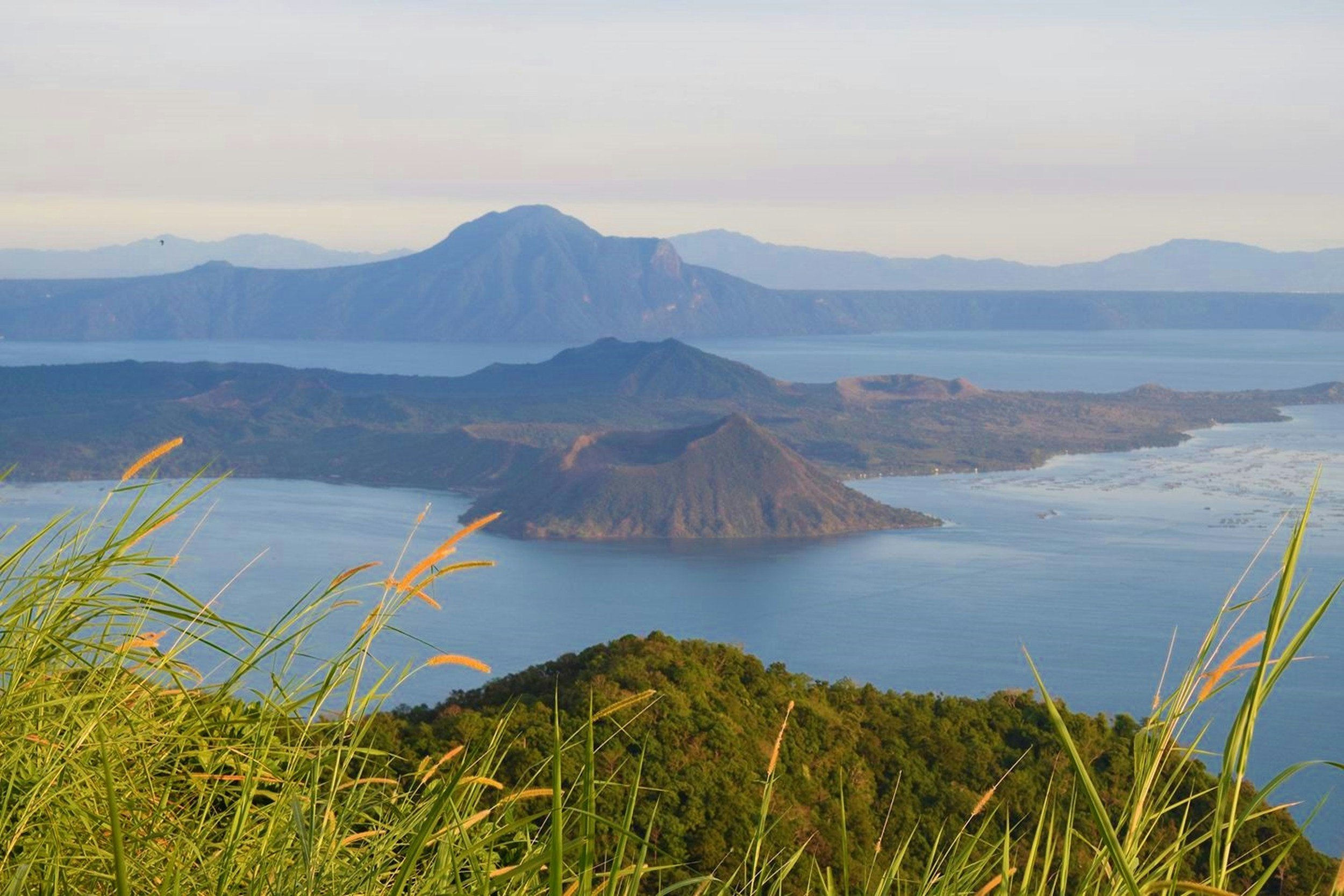
Taal Volcano is located on the island of Luzon in the Philippines, about sixty kilometers south of Manila. It sits within Taal Lake, a large freshwater lake that fills an ancient volcanic caldera. At the center of this lake lies Volcano Island, which contains the active Taal Volcano. Inside the main crater of Taal Volcano, there has often been a crater lake, completing the layered structure of volcano, lake and volcano.
This nested geological formation makes Taal one of the most studied volcanoes on the planet. Despite its relatively low height compared to other volcanoes, its location and structure make it extremely dangerous and scientifically important.
How a Volcano Forms Inside a Lake
The unusual structure of Taal Volcano was created through a series of massive eruptions thousands of years ago. These eruptions caused the original volcano to collapse inward, forming a large caldera. Over time, this caldera filled with rainwater and groundwater, creating Taal Lake.
Later volcanic activity built Volcano Island inside the lake. Continued eruptions formed craters on the island itself, some of which filled with water. This process resulted in a volcano sitting within a lake that exists inside a much larger volcanic system. Few places on Earth display such a clear example of repeated volcanic evolution.
Why Taal Volcano Is So Active
Taal Volcano is one of the most active volcanoes in the Philippines. It sits along the Pacific Ring of Fire, a region known for frequent earthquakes and volcanic eruptions. Magma beneath Taal is close to the surface, which allows pressure to build quickly and trigger sudden eruptions.
The interaction between magma and water adds to its danger. When hot magma comes into contact with lake water, it can cause explosive steam driven eruptions. These eruptions can release ash, gas and volcanic debris with little warning, making Taal particularly hazardous despite its modest size.
Life Around Taal Lake
Taal Lake supports a wide range of life and human activity. Fishing communities have lived around the lake for generations, relying on its resources for food and income. The fertile volcanic soil surrounding the lake also supports agriculture, allowing crops to grow well in the region.
However, living near an active volcano carries risks. Eruptions can force evacuations and disrupt daily life. Local residents have learned to adapt by following monitoring systems and emergency warnings provided by authorities. The lake and volcano shape both the beauty and the challenges of life in the area.
Cultural and Historical Significance
Taal Volcano holds deep cultural importance for the people of the Philippines. It has been mentioned in historical records for centuries due to its frequent eruptions. Stories and traditions passed down through generations reflect respect for the volcano’s power and unpredictability.
The volcano has also become a symbol of the country’s natural beauty and geological complexity. Before recent eruptions restricted access, Volcano Island was a popular tourist destination, offering views of the crater and surrounding lake. The layered landscape left a strong impression on visitors from around the world.
Scientific Research and Monitoring
Because of its unusual structure and activity, Taal Volcano is closely monitored by scientists. Instruments measure earthquakes, gas emissions and ground deformation to detect signs of rising magma. Studying Taal helps researchers understand how volcanic systems behave when water and magma interact.
Data collected from Taal contributes to global volcanic research. Insights gained here can help improve eruption forecasts and risk management strategies for other volcanoes worldwide. The volcano serves as a natural laboratory for understanding explosive volcanic behavior.
A Rare Geological Wonder
Taal Volcano stands out as one of the most extraordinary volcanic formations on Earth. Its structure as a volcano in a lake in a volcano illustrates the dynamic and ever changing nature of the planet. While it poses serious risks, it also offers valuable knowledge and breathtaking scenery.
This unique landscape reminds us that Earth’s surface is shaped by powerful forces over long periods of time. Taal Volcano is not just a geological curiosity but a living example of the planet’s energy and complexity.
