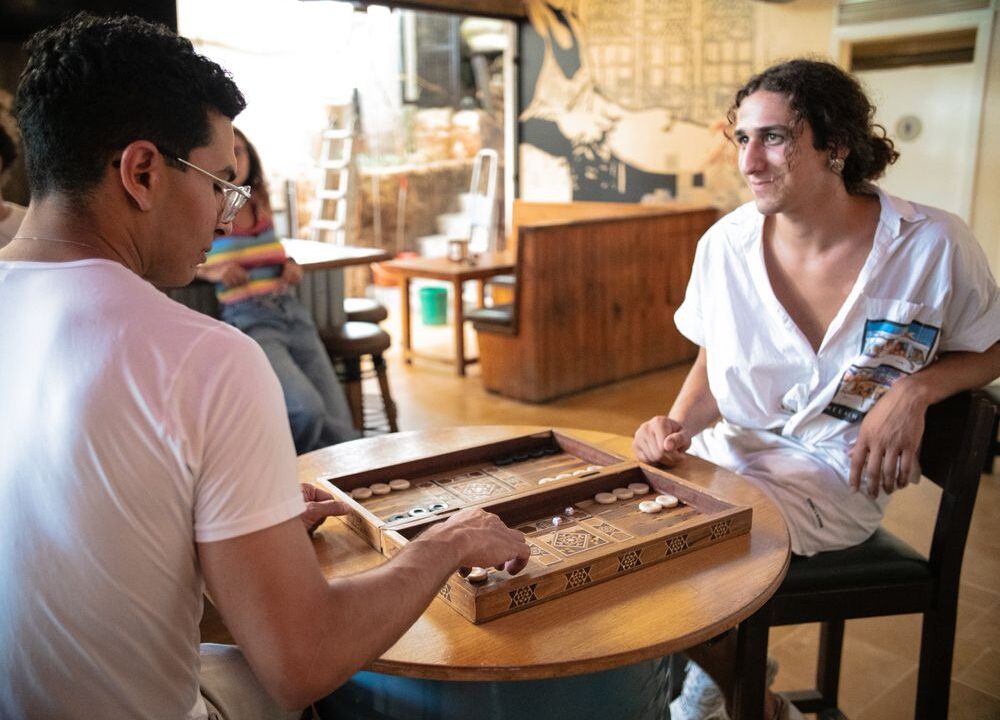



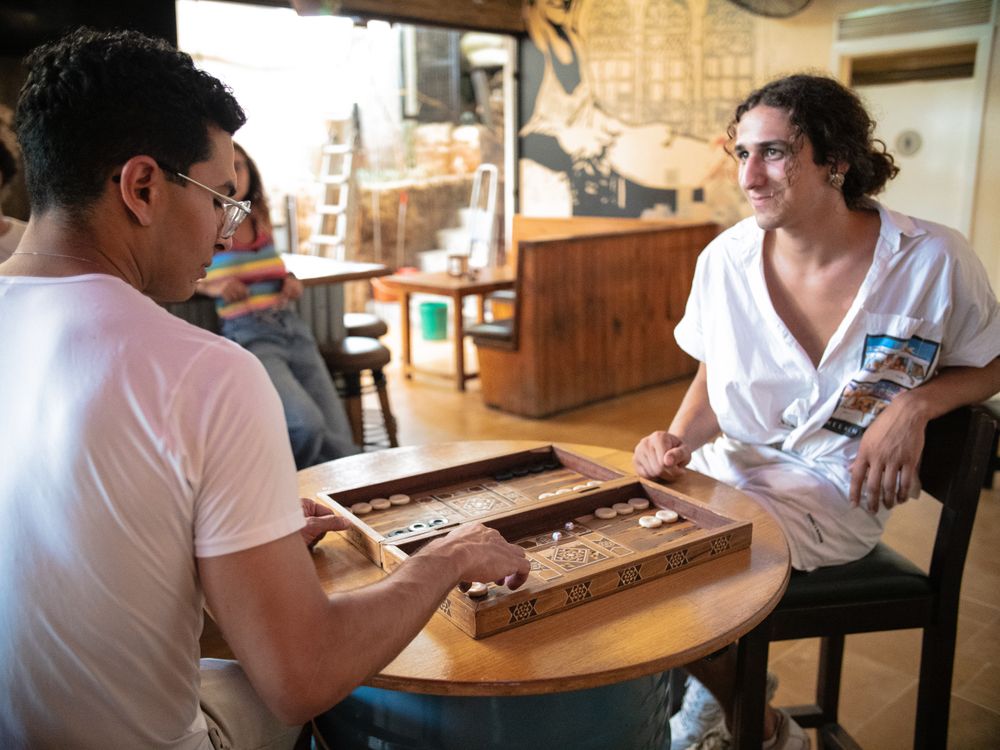
In the vibrant tapestry of Lebanese traditions, Tawleh, or backgammon, emerges as a beloved social ritual that transcends generations. This strategic board game, played in cafes, homes, and streets, symbolizes leisure, camaraderie, and intellectual prowess in Lebanon. Known for its blend of luck and skill, Tawleh fosters connections amid the country’s bustling life. If you’re querying “unique Lebanese games” or “Lebanese social traditions,” Tawleh encapsulates the essence of communal joy and cultural endurance.
The Origins and History of Tawleh
Tawleh, derived from the Arabic word for “table,” has ancient roots dating back over 5,000 years to Mesopotamia. In Lebanon, it gained prominence during the Byzantine era, evolving through Ottoman influences. The game spread via trade routes, adapting local variations. Ottoman rule embedded it in Levantine culture, with Turkish terms like “shesh besh” for dice rolls persisting.
Also See : Kibbeh – Lebanon’s National Dish of Versatility and Tradition
In Lebanon, Tawleh became a staple in the 19th century, played in coffeehouses as a social equalizer. It survived colonial periods, civil wars, and modern crises, symbolizing resilience. Boards often feature intricate carvings, reflecting artisanal heritage. Its popularity in the Arab world stems from Ottoman legacy, but Lebanese play adds unique flair.
How Tawleh is Played and Enjoyed
Tawleh uses a board with 24 triangles, 15 checkers per player, and two dice. Players move counterclockwise, aiming to bear off all pieces. Variants like “mahbouseh” add twists. In Lebanon, games unfold in cafes with tea and banter. Etiquette includes respectful passing and strategic bluffing.
Sessions last hours, blending luck with tactics. Apps modernize it, but traditional play prevails.
The Cultural Significance of Tawleh in Lebanese Society
Tawleh unites people across divides, promoting social bonds. It teaches patience and strategy, integral to Lebanese identity. In diaspora, it preserves heritage.
Tawleh in Modern Lebanon “Continuity and Change”
Today, Tawleh thrives in Beirut’s streets and online. Tournaments and apps engage youth. Amid challenges, it offers solace. For “Lebanese backgammon culture,” Tawleh remains a vibrant link to the past.
