
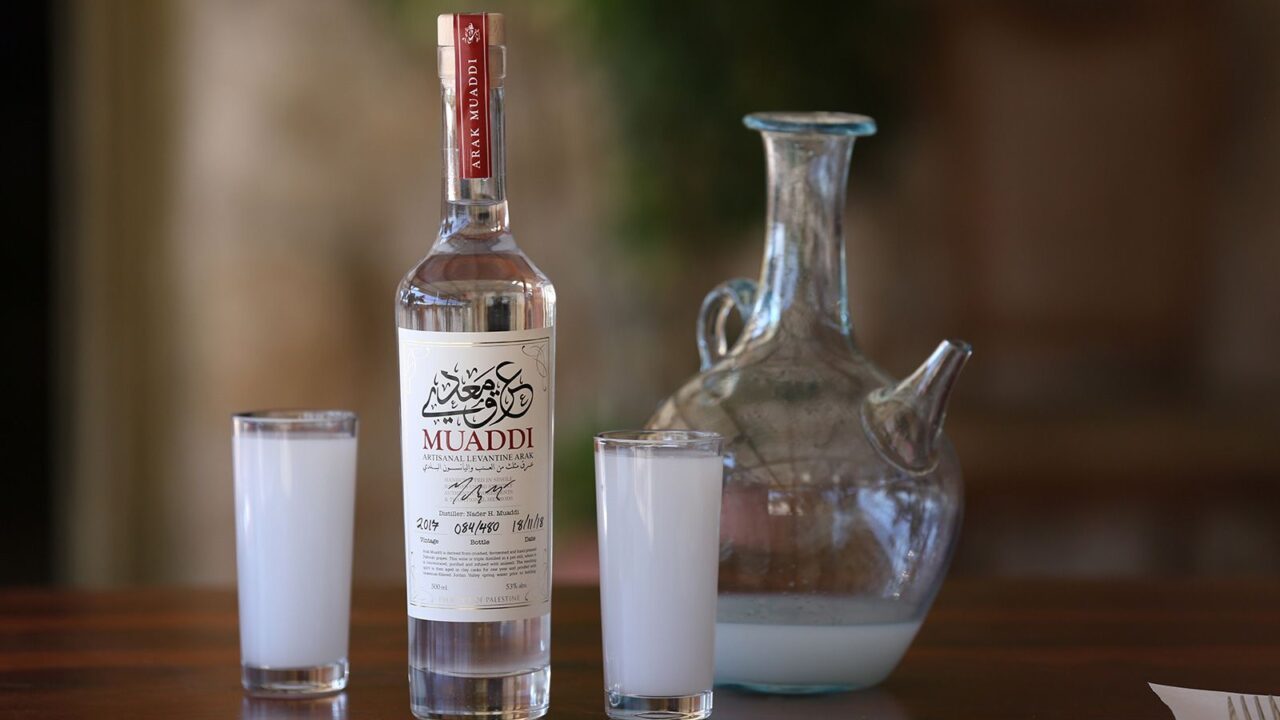


With a history spanning millennia, Lebanon’s wine culture is a testament to its fertile lands and innovative spirit. This tradition, rooted in ancient practices, produces world-class wines that blend indigenous and international varieties, making it a unique aspect of Lebanese heritage.
Historical Roots of Lebanese Wine
Lebanon’s winemaking dates back over 5,000 years to the Phoenicians, who exported wines across the Mediterranean. The Bekaa Valley, with its ideal climate and soil, has been a hub since biblical times, influenced by Romans, Ottomans, and French Jesuits who introduced modern techniques in the 19th century.
The Process and Varieties in Lebanese Wine Production
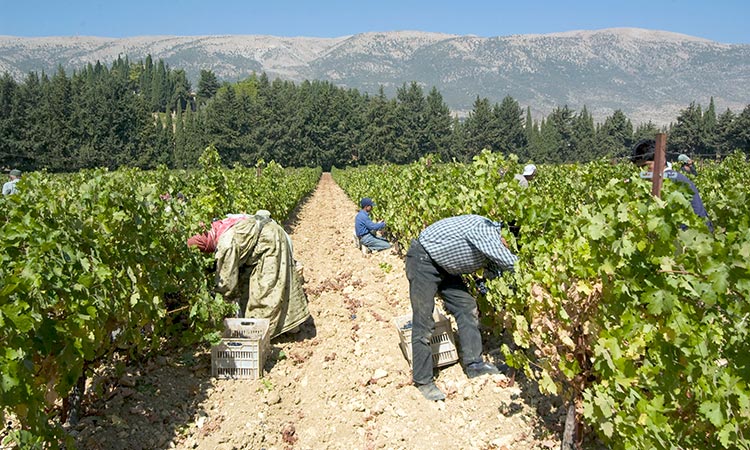
Grapes like Cabernet Sauvignon, Merlot, and native Obaideh are hand-harvested in high-altitude vineyards, fermented using both traditional and contemporary methods to create reds, whites, and rosés known for their balance and complexity. Iconic wineries like Chateau Ksara and Musar exemplify this blend of old and new.
Wine’s Cultural Importance in Modern Lebanon
Wine symbolizes resilience in Lebanon, with over 80 wineries thriving despite adversities, featured in festivals and daily life. It boosts tourism and economy, inviting explorers of “Lebanese wine history” to taste a legacy of flavor and endurance.
