




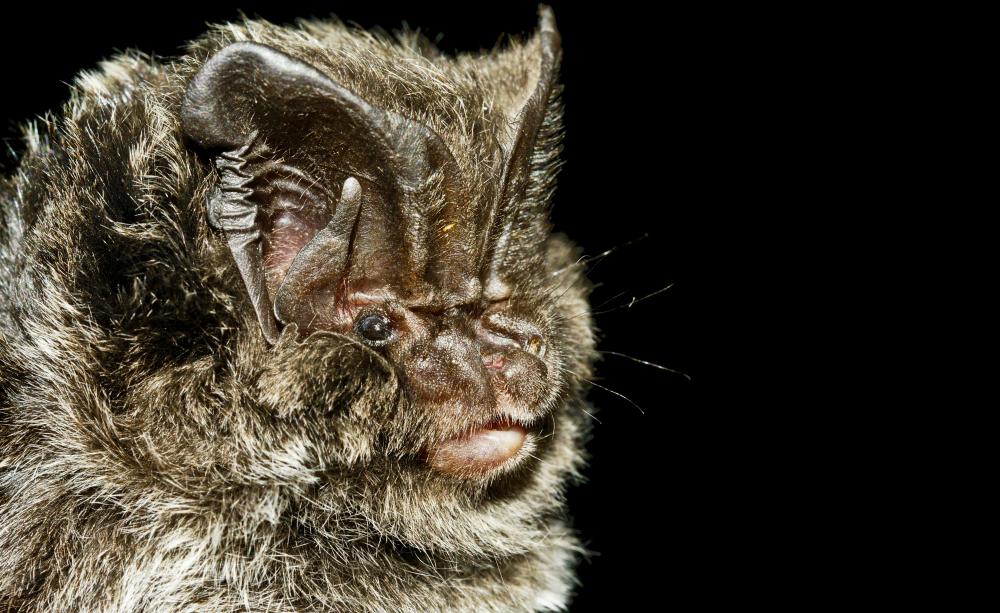
Have you ever wondered how an animal can navigate and hunt effortlessly in complete darkness? Bats, the only true flying mammals, master the night skies using an incredible built-in technology: echolocation, often called nature’s sonar system.
What Is Echolocation?
Most bats (especially microbats) emit high-frequency sound waves through their mouth or nose. These ultrasonic pulses inaudible to humans bounce off objects and return as echoes. By analyzing the time delay, intensity, and direction of the echoes, bats create a detailed 3D mental map of their surroundings.
This “biological sonar” allows them to:
- Fly at high speeds through dense forests without colliding.
- Detect and catch tiny insects mid-flight in pitch black.
- Some species even distinguish between edible and poisonous prey by echo texture.
Bats adjust their calls: short, broad pulses for searching and rapid, focused “buzzes” when closing in on prey.
Unique Adaptations for Echolocation
Many bats have specialized facial structures:
- Nose leaves in some species act like acoustic lenses, focusing sound beams.
- Large, intricate ears capture faint returning echoes with pinpoint accuracy.
There are over 1,400 bat species worldwide, from tiny bumblebee bats to large flying foxes. While fruit bats often rely more on vision and smell, insect-eating bats are echolocation experts.
Why Bats Matter
Bats play vital roles in ecosystems:
- Pollinating plants (like agave for tequila).
- Controlling insect populations saving farmers billions in pesticides.
- Dispersing seeds for forest regeneration.
Despite myths, most bats are harmless and fascinating. This natural sonar has inspired human technology, from sonar devices to medical ultrasound and even aids for the visually impaired.
Bats truly are masters of the night flying silently through darkness with a precision that rivals modern radar. Nature’s own stealth pilots continue to amaze scientists and remind us of the wonders in the animal kingdom!
