
Africa’s Living Monuments
Often called the “Tree of Life”, the Baobab is one of Africa’s most iconic natural symbols. With massive trunks and branches that resemble roots reaching into the sky, baobabs appear almost mythical.
Where Baobabs Are Found
Baobabs grow across:
- Madagascar
- Southern and Eastern Africa
- Parts of West Africa
Madagascar alone is home to six endemic species.
Built to Survive Extreme Conditions
Baobabs are evolutionary marvels:
- Trunks store thousands of liters of water.
- Thick bark resists fire and drought.
- Trees can live for over 1,000 years.
Cultural and Spiritual Significance
Many African communities view baobabs as sacred:
- Meeting places for elders
- Symbols of wisdom and longevity
- Sites for rituals and storytelling
Some trees are even used as homes, prisons, or storage spaces.
Uses of the Baobab Tree
Almost every part is useful:
- Fruit: Rich in vitamin C and antioxidants
- Leaves: Used in cooking and medicine
- Bark: Used for rope and cloth
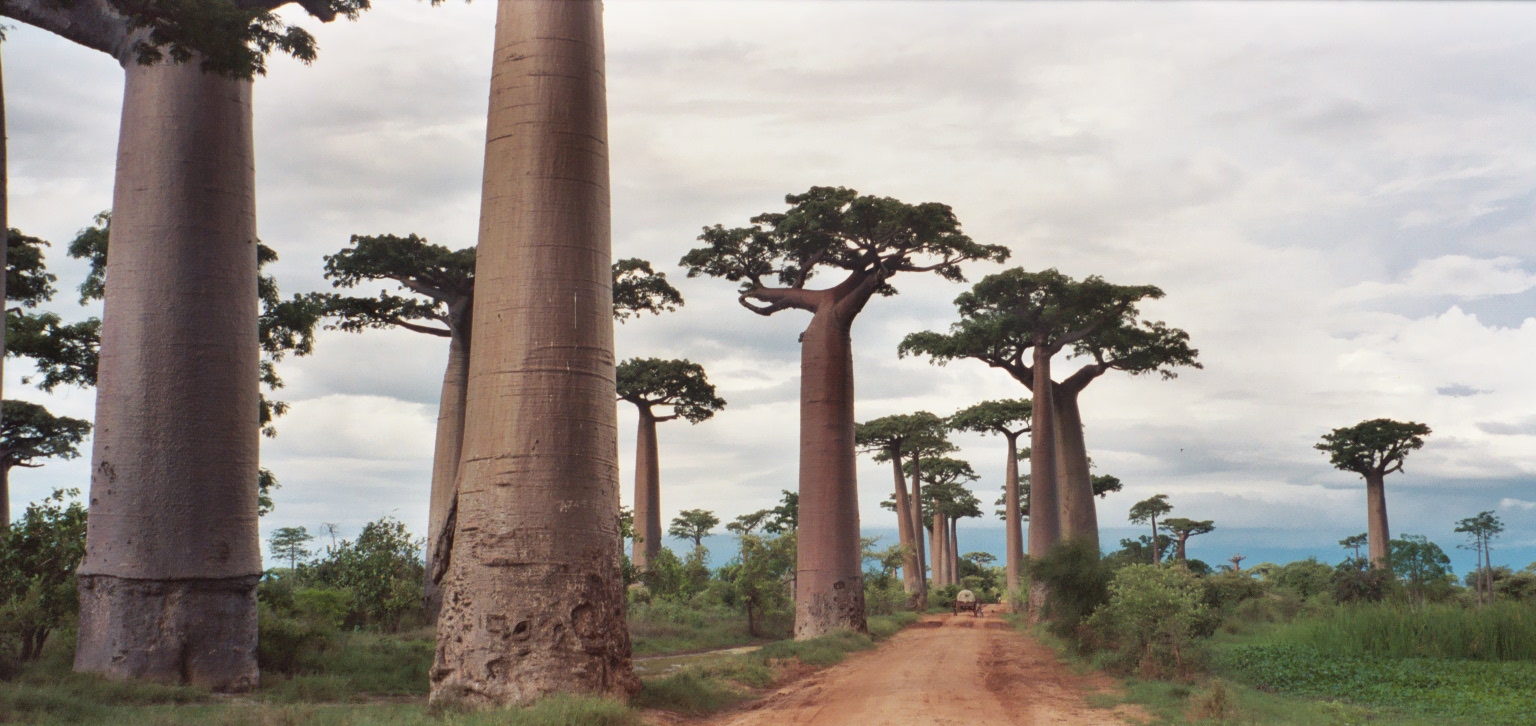
The Avenue of the Baobabs
Located in Madagascar, this famous dirt road lined with towering baobabs is one of Africa’s most photographed landscapes.
Threats and Conservation
Climate change, deforestation, and land use threaten baobab populations. Conservation programs aim to preserve these giants for future generations.
Conclusion: Guardians of African Landscapes
Baobabs are more than trees they are living witnesses to Africa’s past and future.
