


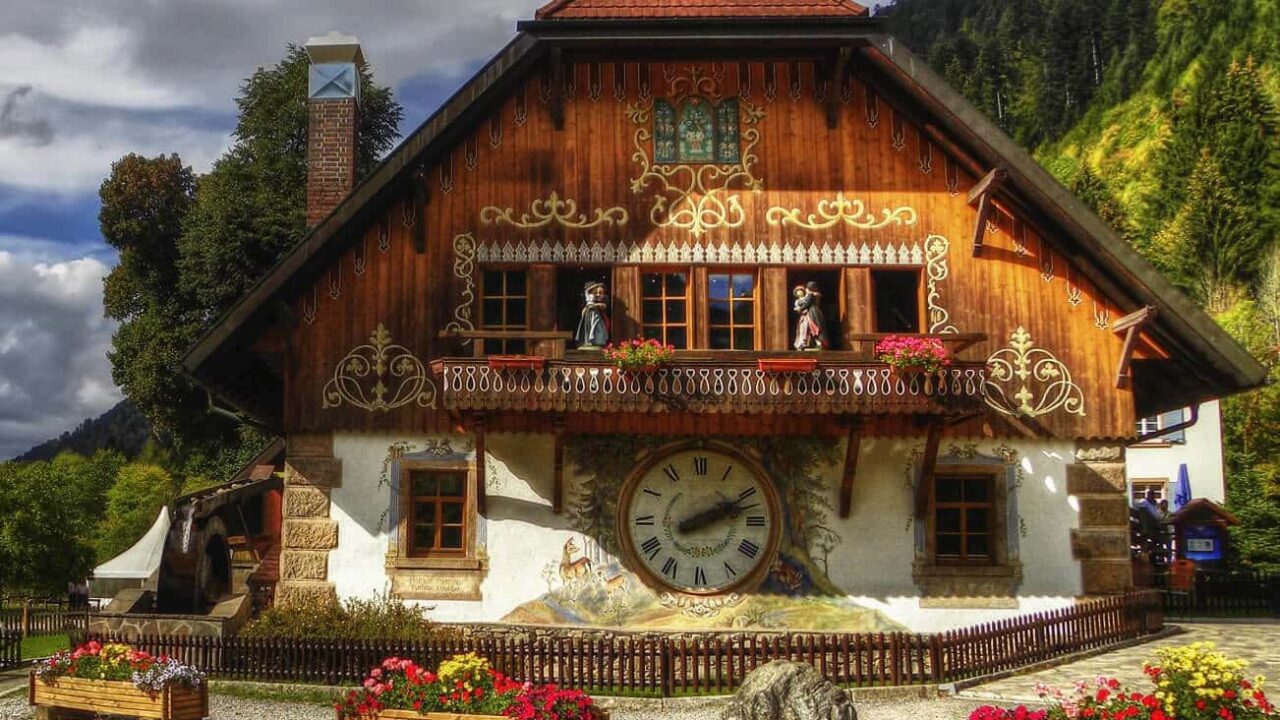
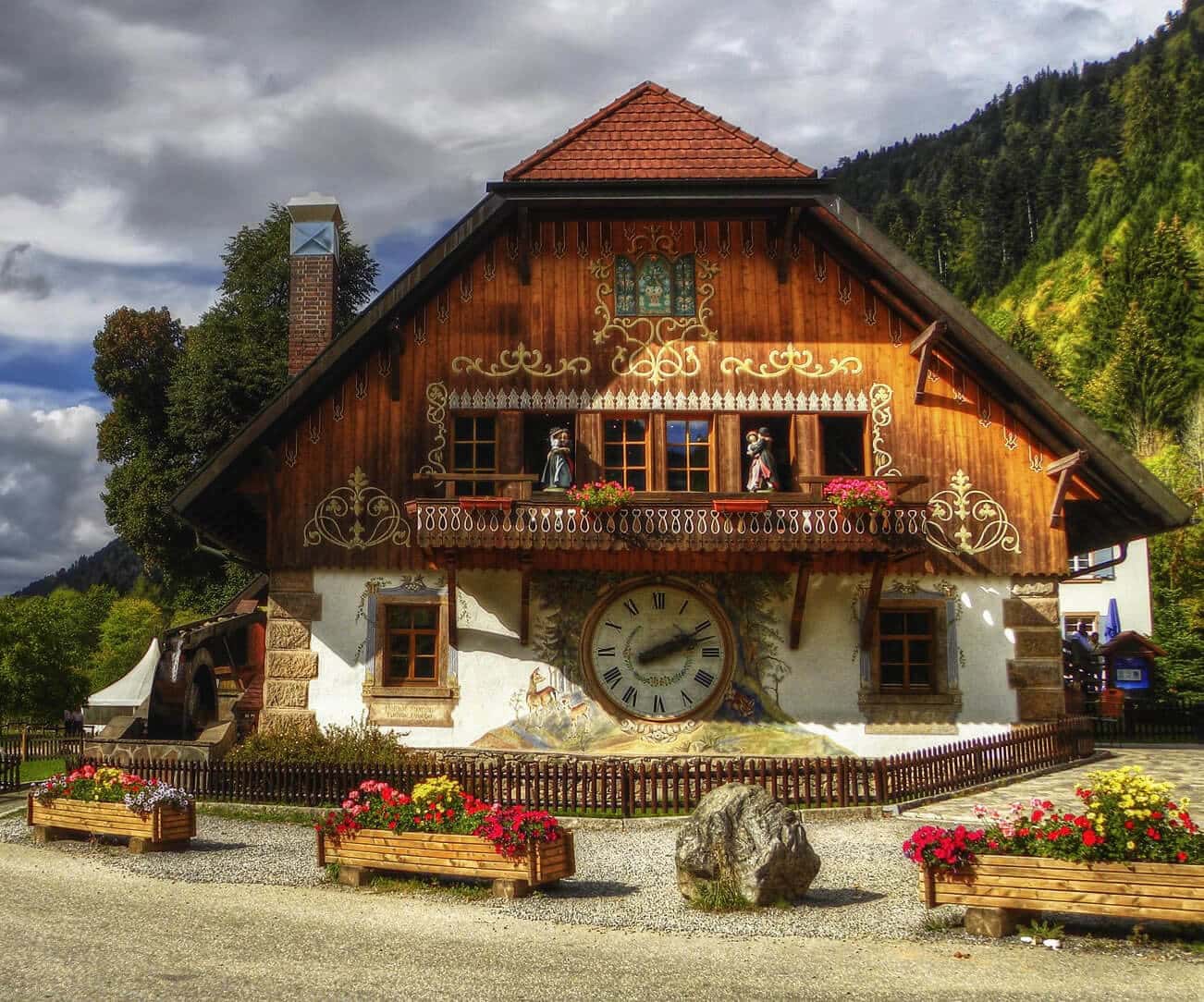
The Black Forest cuckoo clock is one of the most iconic and unique cultural inventions from Germany, originating in the dense woodlands of the Schwarzwald region. These handcrafted wooden timepieces, famous for their “cuckoo” call and intricate carvings, represent centuries of artisanal tradition and have become a global symbol of German craftsmanship. If you’re exploring unique German phenomena or souvenirs, the authentic Black Forest cuckoo clock stands out as a living piece of heritage.
The Origins of the Black Forest Cuckoo Clock
Developed in the mid-18th century by farmers in the Black Forest as a winter craft, these clocks evolved from simple wooden mechanisms to elaborate designs. The first cuckoo call was introduced around 1850, inspired by nature’s sounds. Villages like Triberg and Furtwangen became centers of production, turning clock-making into a thriving industry that blended functionality with art.
What Makes Black Forest Cuckoo Clocks Unique?
Hand-carved from local lime or pine wood, these clocks feature detailed motifs like deer, hunters, leaves, and tiny houses. The mechanical cuckoo bird emerges hourly (or half-hourly), accompanied by bells and moving figures in many models. Unlike mass-produced versions, genuine ones bear the “VDS” (Verband der Schwarzwälder Uhrenindustrie) seal, ensuring traditional quality and authenticity.
Tips for Experiencing Black Forest Cuckoo Clocks
Visit the German Clock Museum in Furtwangen or Triberg’s clock shops for demonstrations. Look for workshops where you can watch artisans at work. If buying one, opt for certified originals to support local heritage. The Black Forest region pairs perfectly with hiking and trying regional specialties like Black Forest cake.
In essence, the Black Forest cuckoo clock captures the whimsical and precise spirit of unique German traditions, making it a must-see (and must-hear) for travelers seeking authentic cultural gems.
