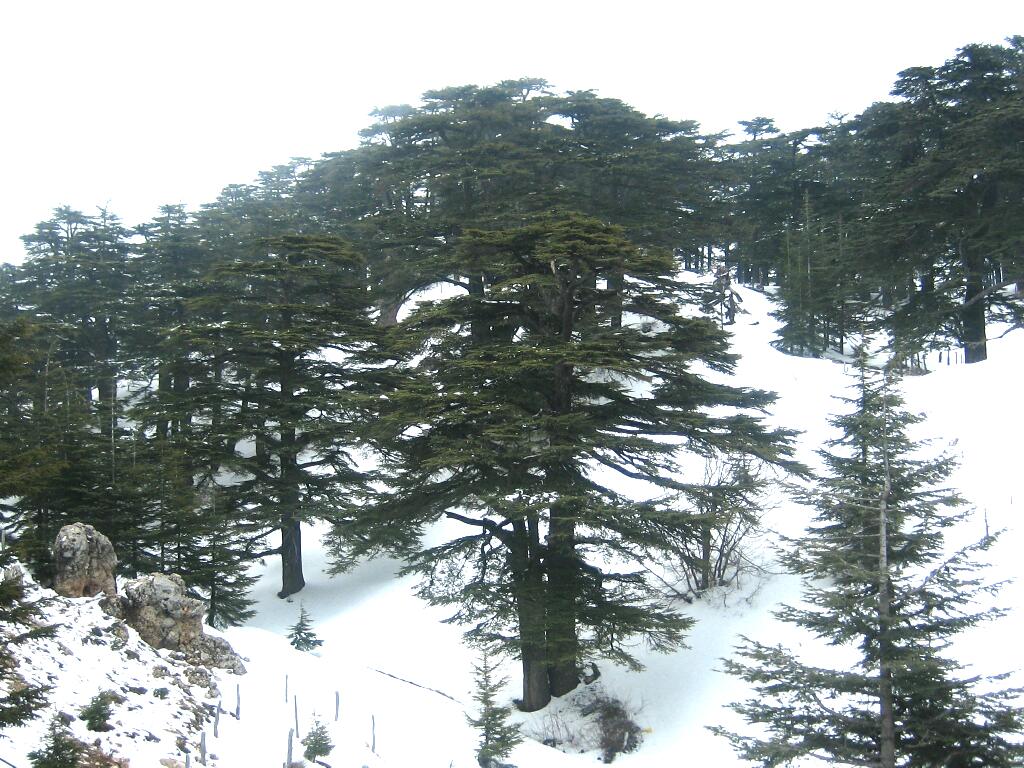
High in the mountains of northern Lebanon lies one of the country’s most legendary and unique natural wonders: the Cedars of God (Arz el-Rab in Arabic), a small ancient grove of Cedrus libani trees that have stood for thousands of years.
Also See : The Thuringian Forest – Germany’s Enchanted Woodland Realm
These majestic cedar trees are mentioned more than 70 times in the Bible, symbolizing strength, eternity, and divine beauty. Kings of ancient empires, from Solomon to the Pharaohs, prized Lebanese cedar wood for building temples, palaces, and ships. The trees once covered vast swathes of Mount Lebanon, but centuries of deforestation left only a handful of surviving groves the most famous being this protected UNESCO Biosphere Reserve site.
What makes the Cedars of God so special:
- Some trees are over 1,500–2,000 years old, with trunks up to 12 meters in circumference
- They thrive at high altitudes (over 2,000 meters), often surrounded by snow in winter
- The Lebanese flag features the iconic cedar tree as its central emblem
In winter, the area becomes a snowy paradise for skiing and snowshoeing; in summer, it’s a cool escape for hiking amid aromatic forests.
For anyone interested in natural wonders Lebanon, biblical sites Lebanon, or Cedars of Lebanon facts, this grove represents a living link to ancient history and Lebanon’s enduring natural heritage.
