

In the rugged terrains of Lebanon, where history and nature converge, the custom of falconry stands as a testament to an ancient partnership between humans and birds of prey. This unique tradition, involving training falcons for hunting, embodies skill, patience, and respect for wildlife, deeply rooted in Bedouin influences. Practiced in rural areas, it highlights Lebanon’s nomadic heritage and conservation ethos. For seekers of “Lebanese falconry traditions” or “unique hunting customs in Lebanon,” this practice unveils a world of precision and cultural depth.
The Origins and History of Lebanese Falconry
Falconry’s origins in Lebanon trace to ancient Mesopotamia around 2000 BCE, with evidence from Assyrian reliefs depicting falconers. Arab tribes introduced it to the Levant, where it became a status symbol among nobility during the Umayyad and Abbasid caliphates. In Lebanon, Bedouin and Druze communities adopted it for hunting quail and partridge in mountains. Ottoman sultans prized Lebanese falcons, fostering breeding programs.
By the 19th century, it was a rural pastime, with families passing knowledge through generations. UNESCO recognized falconry as intangible heritage in 2010, shared by Arab nations including Lebanon. During mandates, it symbolized resistance, as locals evaded hunting bans. Historical texts like “The Book of Falconry” by Arab scholars influenced techniques. In modern history, it survived urbanization, maintained by enthusiasts in Bekaa and Akkar.
How Lebanese Falconry is Performed
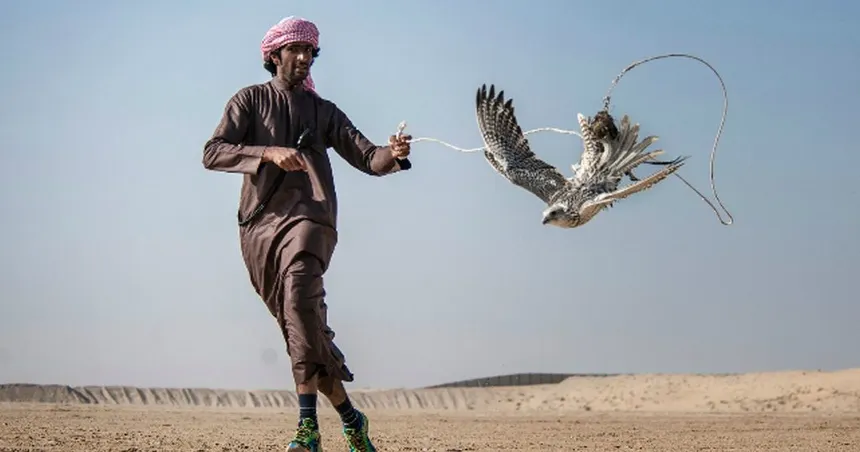
Falconry begins with capturing or breeding birds like peregrine falcons, training them over months. “Manning” acclimates the bird to humans, using hoods to calm. Lures and creance lines teach recall, progressing to free flights. Hunts involve releasing the falcon to pursue prey, with falconers using whistles and telemetry for tracking.
Also See : Tawleh – The Timeless Game of Backgammon in Lebanese Culture
Equipment includes jesses, bells, and gloves, often handmade. In Lebanon, hunts occur in autumn, with groups sharing meals post-hunt. Ethical practices ensure bird welfare, with releases after seasons. Women increasingly participate, breaking traditional gender roles.
The Cultural Significance of Falconry in Lebanese Society
Falconry fosters harmony with nature, teaching respect and patience. It unites communities, with festivals showcasing skills. Symbolically, falcons represent freedom, mirroring Lebanon’s spirit. In folklore, tales glorify falconers as heroes. It aids conservation, with breeders protecting endangered species.
Globally, it connects Lebanon to Arab heritage, influencing diplomacy. In art, falconry inspires poetry and paintings.
Lebanese Falconry in Modern Times – Challenges and Revival
Today, falconry faces habitat loss and regulations, but clubs like the Lebanese Falconers Association promote it. Tourism offers experiences, blending tradition with education. Technology aids tracking, enhancing safety. Amid crises, it provides solace. For “falconry in Lebanon,” it endures as a bridge between past and future.
