




A Hidden World on the Edge
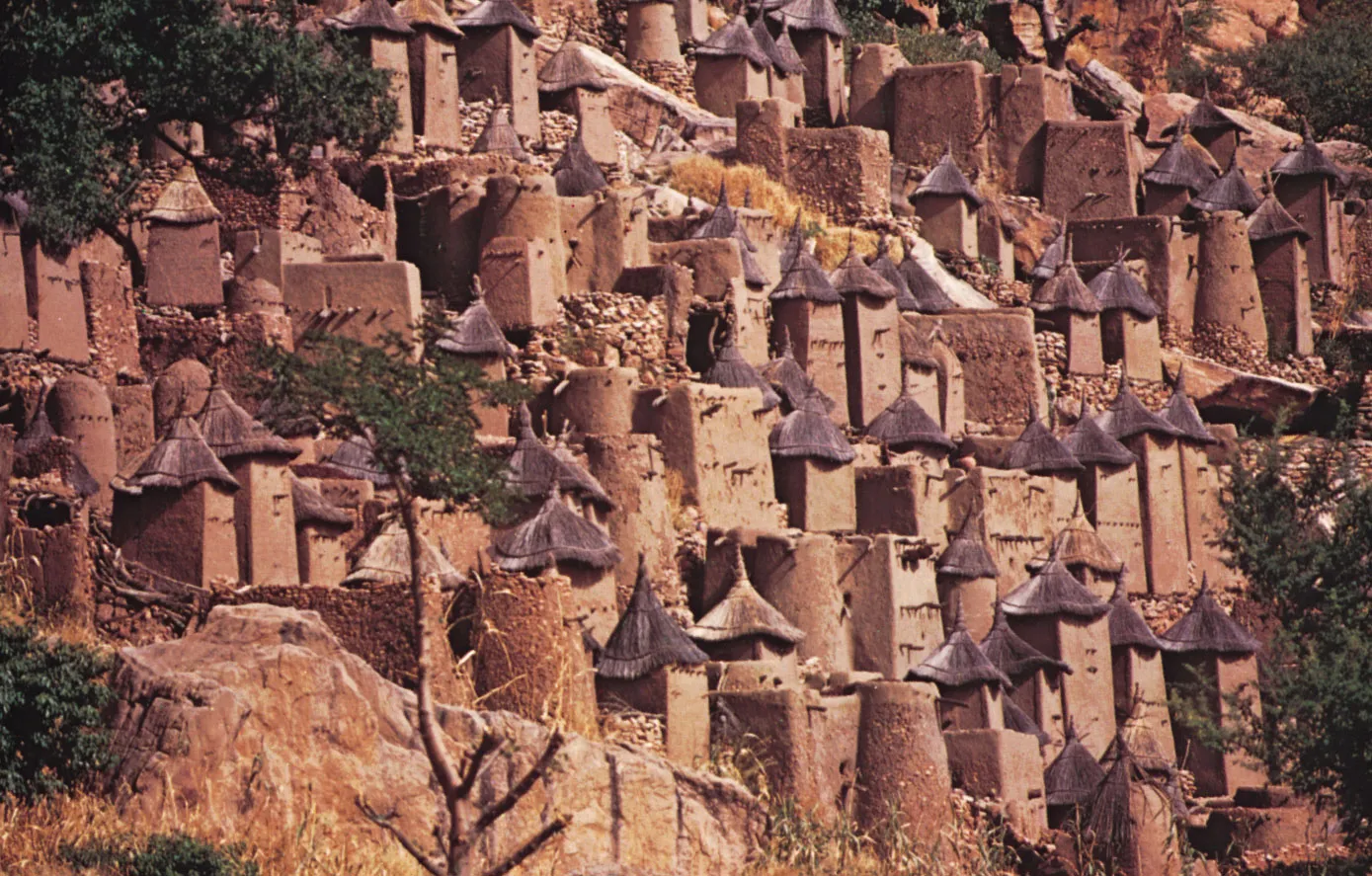
The Dogon Cliff Villages of Mali cling to the Bandiagara Escarpment a dramatic sandstone cliff rising over 500 meters. These ancient settlements are known for their astonishing architecture and rich cultural traditions.
The Dogon People and Their Homeland
For centuries, the Dogon have lived in harmony with the rugged landscape. Their villages are built into cliffs, with houses and granaries seemingly defying gravity.
Ingenious Design and Practicality
Dogon architecture reflects:
- Climate adaptation: Thick mud walls stay cool in heat.
- Defense: Cliff locations offered protection from invaders.
- Resourcefulness: Local materials like stone and clay shape structures.
Spiritual and Cultural Life
The Dogon are celebrated for:
- Mask dances: Ceremonial dances performed during seasonal rituals.
- Cosmology: Deep spiritual beliefs tied to stars and ancestral spirits.
- Art: Carved wooden statues and masks symbolize myths and history.
Festivals and Traditions
Annual events, like the Dama ceremony, honor the dead and help souls transition to the afterlife. These gatherings draw visitors from around the world.
Challenges and Preservation
Modern pressures from economic change to climate challenge Dogon traditions. Preservation efforts aim to support sustainable tourism while respecting cultural autonomy.
Visiting the Escarpment
Travelers to the Dogon region should:
- Hire local guides.
- Respect customs and sacred sites.
- Prepare for rugged terrain and remote conditions.
A Cultural Treasure
The Dogon Cliff Villages are more than a scenic wonder they are living monuments to human adaptation and cultural depth.
