


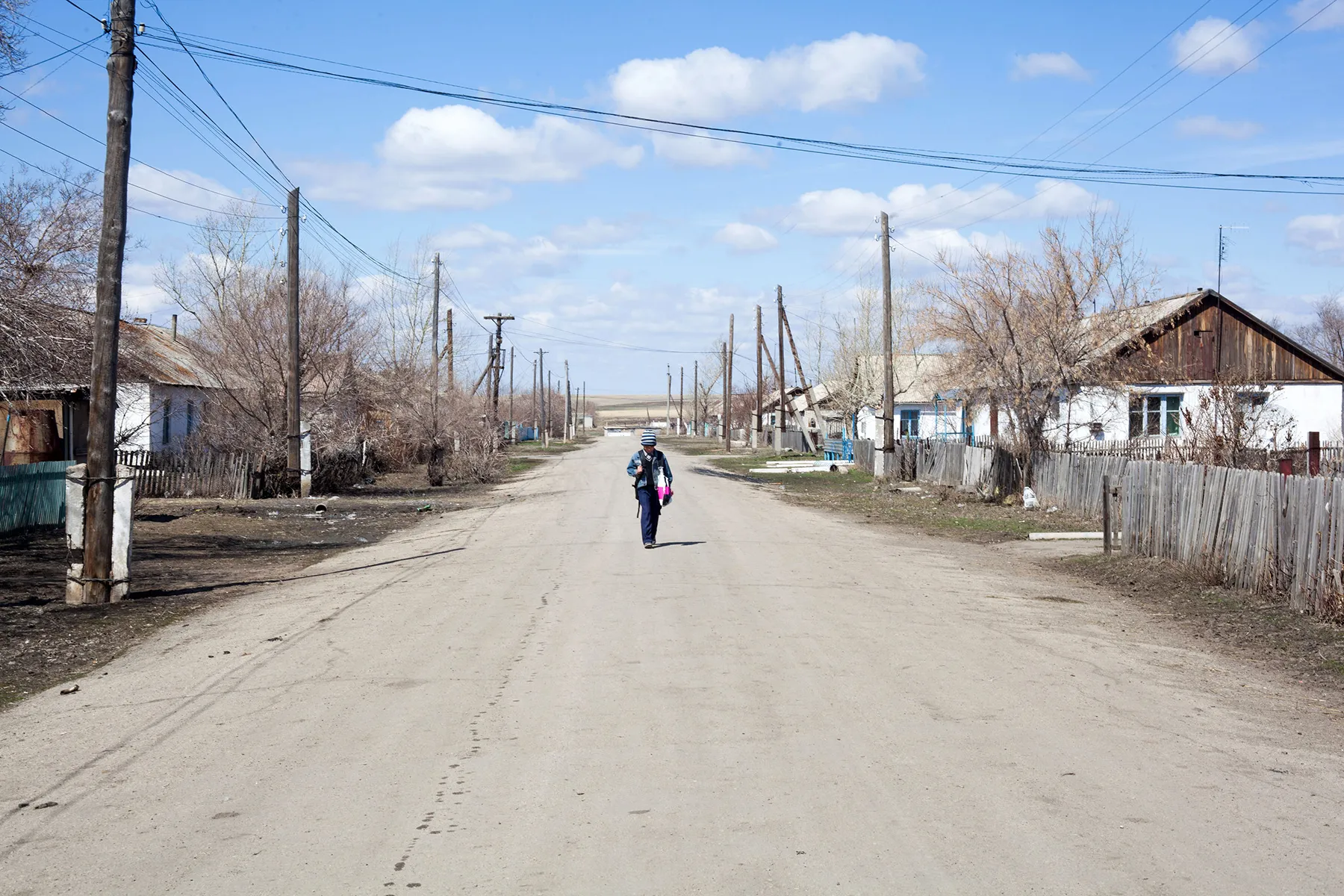
The small village of Kalachi in northern Kazakhstan has captured global attention due to a bizarre phenomenon where residents inexplicably fall into deep sleep for days on end. Dubbed the “sleeping sickness,” this mystery has puzzled scientists, locals, and the world since it first emerged in 2013. What causes entire families to doze off mid-activity, and why does the cause remain shrouded in intrigue? In this article, we delve into the history, symptoms, investigations, and the eventual explanations behind this eerie occurrence, exploring how a remote village became a hotspot for one of the modern world’s strangest medical enigmas.
The Onset of the Mystery: When Sleep Strikes Without Warning
Kalachi, a quaint settlement with around 600 residents, is located near the abandoned town of Krasnogorsk in the Esil District of Akmola Region. The first reports of the sleeping sickness surfaced in March 2013, when villagers began experiencing sudden bouts of uncontrollable drowsiness. People would fall asleep while walking, working, or even during conversations, remaining in a comatose-like state for up to six days. Children were particularly affected, with some waking up disoriented and hallucinating about monsters or flying horses.
The episodes were sporadic but widespread, affecting over 140 people by 2015—more than a fifth of the population. Villagers described feeling extreme fatigue, weakness, and memory loss upon waking. One resident, Rudik Mikaelyan, recounted falling asleep for two days after visiting a neighbor’s funeral, only to wake up in a hospital. The randomness added to the terror: no one knew when or why it would hit next. Media outlets nicknamed Kalachi “Sleepy Hollow,” drawing parallels to fictional tales of cursed towns.
Symptoms and Immediate Impacts on Daily Life
The symptoms went beyond mere tiredness. Affected individuals exhibited slurred speech, dizziness, and nausea before collapsing into sleep. Upon awakening, many suffered from amnesia, headaches, and hypertension. In severe cases, people experienced hallucinations or temporary paralysis. Pets weren’t spared either—dogs and cats in the village also fell into unexplained slumbers.
The social and economic toll was immense. Schools closed intermittently, and farming activities halted as fear gripped the community. Residents avoided outdoor activities, especially during temperature fluctuations, which seemed to trigger episodes. The village’s isolation, compounded by harsh winters, made medical help scarce, leading to delayed treatments and heightened anxiety.
Investigations and Early Theories: From UFOs to Radiation
As cases mounted, Kazakh authorities launched investigations. Teams of doctors, virologists, and toxicologists descended on Kalachi, testing air, water, soil, and blood samples. Initial theories ranged from viral infections to mass hysteria, but tests ruled out common pathogens like encephalitis or meningitis.
Suspicion soon turned to environmental factors. Kalachi is near a defunct Soviet-era uranium mine in Krasnogorsk, closed in the 1990s. Locals believed radon gas or radiation leaks were responsible, as radiation levels were slightly elevated in some areas. Conspiracy theories abounded, including secret government experiments or even UFO involvement, fueled by the village’s remoteness.
International experts weighed in, suggesting carbon monoxide poisoning from poor ventilation in homes or mine shafts. However, early tests showed no conclusive evidence, prolonging the mystery.
Uncovering the Cause: Carbon Monoxide and Hydrocarbons
In July 2015, the Kazakh government announced a breakthrough: elevated levels of carbon monoxide (CO) and hydrocarbons (CH) in the air, stemming from the uranium mine. As uranium ore decays, it produces radon, which displaces oxygen and allows CO to accumulate in low-lying areas. During calm weather, these gases seeped into the village, causing oxygen deprivation and inducing sleep.
Vice Prime Minister Berdibek Saparbaev explained that the mine’s evaporation of water created vapor pockets filled with toxic gases. This aligned with symptoms of CO poisoning, which include drowsiness and confusion. Though some skeptics questioned the findings, citing inconsistent gas levels, the explanation gained acceptance.
Relocation and Legacy: Life After the Sleeping Sickness
By 2015, authorities decided to relocate residents to safer areas, offering compensation and new housing. Over 100 families moved, and Kalachi was largely abandoned by 2016. Today, only a few hardy souls remain, monitoring the site.
The incident highlights the long-term dangers of Soviet industrial legacies in Central Asia. It also serves as a case study in environmental health, showing how mining residues can affect communities decades later. While the mystery is mostly solved, Kalachi remains a symbol of the unknown, inspiring documentaries and articles worldwide.
In conclusion, the sleeping village of Kalachi underscores the intersection of human activity and nature’s backlash. Though the cause is now attributed to toxic gases, the event reminds us of the fragility of remote communities facing environmental hazards. If you’re intrigued by unsolved mysteries or environmental science, Kalachi’s story offers a compelling glimpse into the bizarre realities of our world.
