




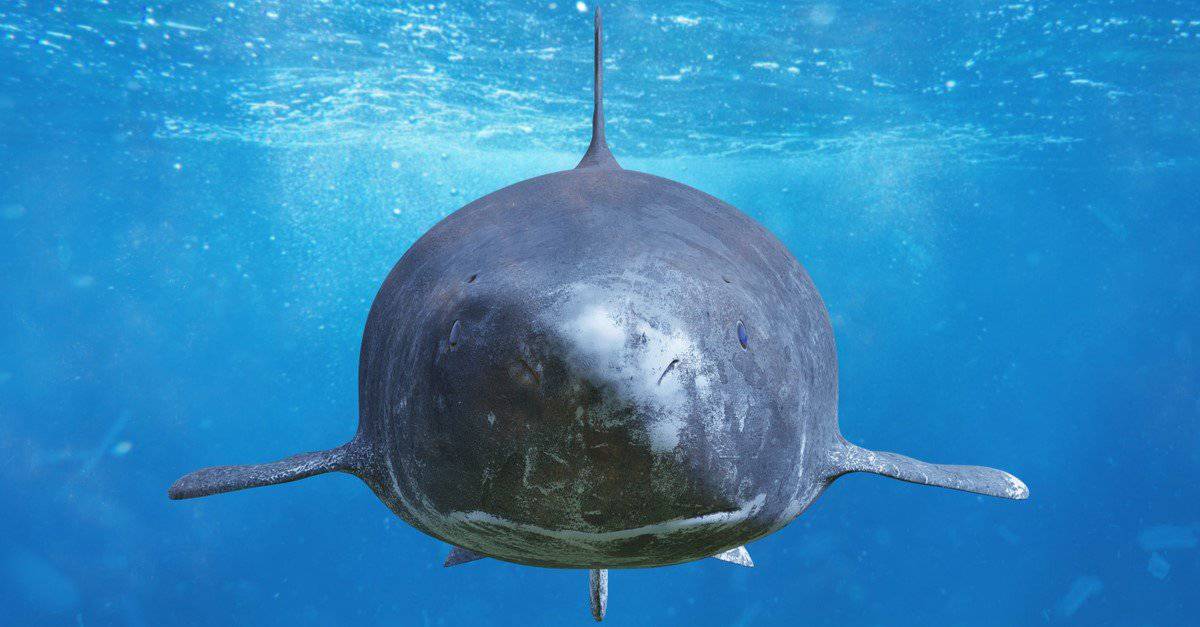
The Greenland shark, scientifically known as Somniosus microcephalus, is the ultimate testament to nature’s longevity secrets. Dubbed the “sleeper shark” or “zombie of the deep,” this massive, sluggish predator roams the icy depths of the North Atlantic and Arctic Oceans, potentially living for up to 400-500 years. A 2016 study in Science revealed the oldest specimen a 5-meter female at 392 ± 120 years old (range: 272-512 years), determined via radiocarbon dating of eye lens crystals formed before birth. This surpasses the bowhead whale (211 years) as the longest-lived vertebrate.
Imagine a shark born around 1620 swimming during the Mayflower voyage, Shakespeare’s final plays, and the Taj Mahal’s construction still alive today!
How Scientists Dated the “400-Year-Old” Greenland Shark
Traditional shark aging counts growth rings on vertebrae or spines, but Greenland sharks lack hard structures. Researchers analyzed C-14 isotopes in eye lens cores (formed in utero from maternal diet) and bomb-pulse spikes from 1950s nuclear tests. Correlating size (newborns 42 cm) with growth (1 cm/year), they confirmed extreme ages. Even conservative estimates place minimum lifespan at 272 years.
Why Do Greenland Sharks Live So Long? Biology and Adaptations
Their ultra-slow metabolism in frigid waters (1-12°C, depths 0-2,200 m) minimizes cellular damage and energy needs. They absorb 35% more CO2 than trees but grow leisurely, reaching sexual maturity at ~150 years (females 4.2 m, males 2.8 m). Gestation: 8-18 years; live birth (ovoviviparous) with few large pups.
Size & Speed: Up to 7 m (23 ft), 1,500 kg; slowest fish at 1.2 km/h (0.75 mph) “sleepy small-head” (name origin).
Diet: Opportunistic scavenger/ambush predator fish, seals, squid, whales, polar bears, reindeer. Stomachs yield bizarre finds like entire moose!
Blind but Deadly: Parasitic copepod Ommatokoita elongata clouds eyes (90% affected), but acute smell, hearing, and lateral line detect prey in darkness.
Toxic Flesh: Trimethylamine oxide (antifreeze) causes “shark drunkenness” (nausea, hallucinations). Iceland’s hákarl ferments it safe months of curing, a pungent delicacy.
Habitat: Arctic Depths Survivor
From Greenland/Iceland waters to Gulf of St. Lawrence (rare southern sightings). Cold-adapted, they hover near seafloors on continental shelves/slopes (up to 1,200 m+). Climate change and bycatch threaten this “vulnerable” IUCN species recovery could take centuries due to low reproduction.
10 Mind-Blowing Greenland Shark Facts
- Oldest Vertebrate: 392-year-old outlives giant tortoises (255 years max).
- Growth Rate: <1 cm/year lifelong “teenager” phase.
- No Human Attacks: Rare surface sightings; too slow/deep for threats.
- Genome Mapped (2024): Reveals anti-aging genes, human longevity clues?
- Bioluminescent Parasite?: Copepods may glow to lure prey (unconfirmed).
- Low Energy: Weeks/months without food heart beats few/minute.
- Size Comparison: Bus-sized; human alongside looks tiny.
- Arctic Apex Predator: Controls carrion ecosystem “cleaner.”
- Tagged & Recaptured: 1936-1952 shark grew 16 cm (confirms slow growth).
- Cultural Icon: Inuit “eqalussuaq” Viking lore as sea monsters.
Conservation: Protecting These Ancient Ocean Giants
Slow life history = vulnerable to fishing (bycatch in halibut/squid nets). Bans on finning and quotas needed populations may still recover from WWII overfishing. Their resilience offers insights into aging.
Why the Greenland Shark Fascinates Us
This “time traveler” embodies slow living in a fast world outlasting empires while humans chase youth. From pirate eras to AI age, some Greenland sharks endure. Studying them unlocks anti-aging secrets for medicine and conservation.
