Iceland is known for its dramatic landscapes, volcanic activity and geothermal power. Among its many natural wonders, one of the most unusual is a hot waterfall. Unlike ordinary waterfalls that cascade with ice cold water, this rare phenomenon flows with warm geothermal water that comes from deep within the Earth. The hot waterfall stands as a symbol of Iceland’s unique natural environment, where fire and water coexist in extraordinary ways.
A Waterfall Powered by Geothermal Energy
The hot waterfall in Iceland is warmed by geothermal heat that rises from underground volcanic systems. Iceland sits on the Mid Atlantic Ridge, a boundary between two tectonic plates. As a result, the country has abundant geothermal activity. Hot springs, geysers and steam vents are common across the landscape. In certain areas, this geothermal heat warms streams and rivers, creating waterfalls that flow with naturally heated water.
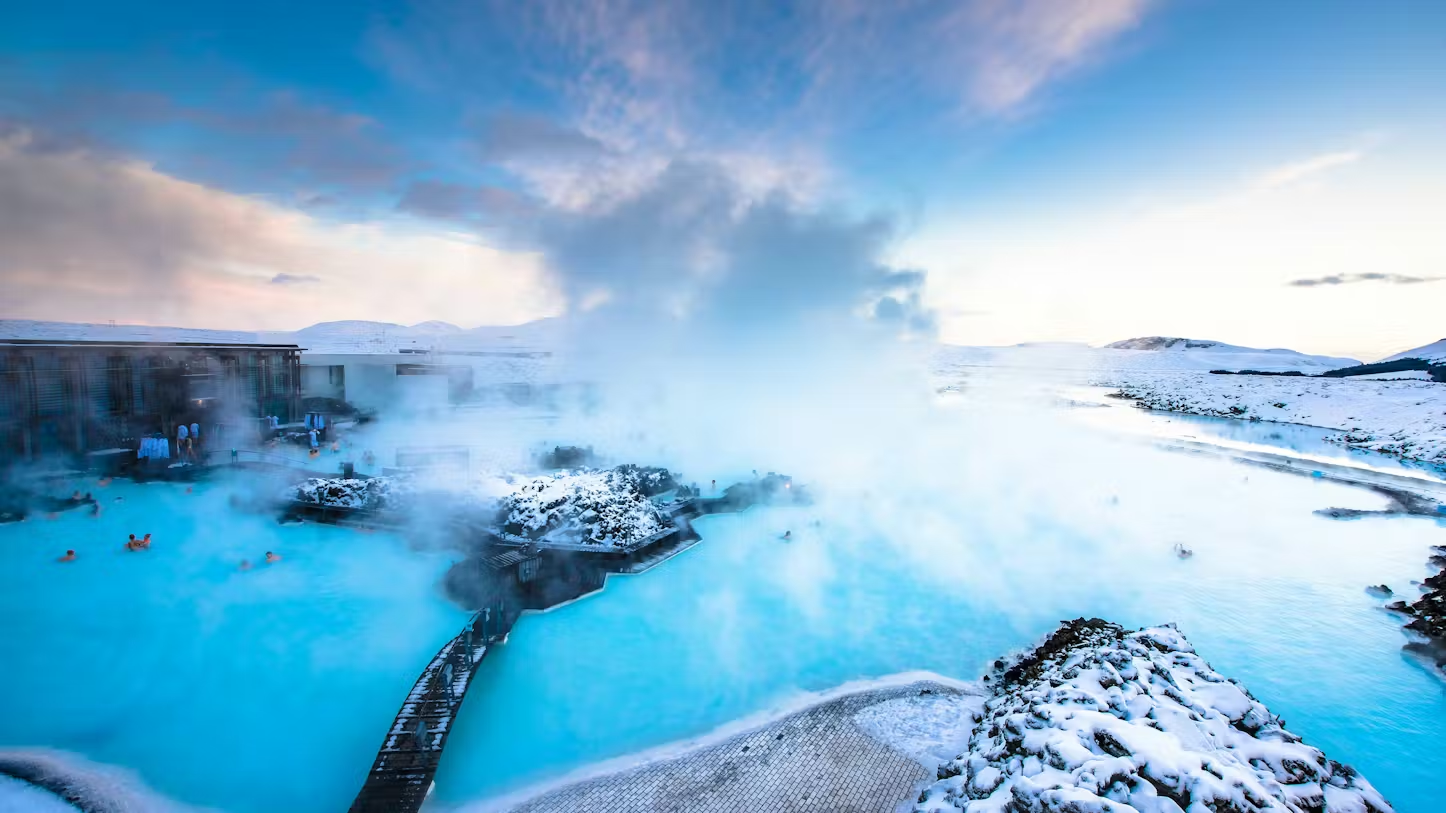
The warm water moves through volcanic rock and carries minerals that color the landscape around the waterfall. The sight of steam rising from the flowing water gives the area an otherworldly atmosphere. Visitors often describe it as walking into a natural spa shaped entirely by Earth’s energy.
The Science Behind a Hot Waterfall
The hot waterfall is created when geothermal water from underground reservoirs mixes with surface water and flows over cliffs or rock formations. The water temperature can vary from comfortably warm to very hot depending on the specific geothermal source. The heating process begins deep underground where volcanic heat warms the groundwater. This water becomes rich in minerals and sometimes carries a slight sulfur scent, a common feature of geothermal areas.
As the heated water rises through cracks in the Earth’s crust, it joins rivers and streams on the surface. When these warm streams meet steep terrain, they form a waterfall. Unlike geysers, which erupt with sudden bursts of pressure, hot waterfalls flow gently and continuously. This makes them rare, stable and fascinating natural features.
A Unique Icelandic Landscape
The region around Iceland’s hot waterfalls is often covered with moss, dark volcanic rock and steaming vents. The combination of warm water and cool air can create a misty veil around the waterfall. During winter, when temperatures drop below freezing, the warm water prevents the waterfall from turning to ice. This creates a striking contrast between snow covered surroundings and flowing hot water.
Many visitors come to these waterfalls to enjoy the peaceful sound of warm water cascading while surrounded by dramatic Icelandic scenery. The presence of geothermal pools nearby makes the area even more appealing. Some travelers even dip their hands or feet in the warm streams leading to the waterfall, although caution is important because temperatures can vary.
Cultural and Historical Significance
Icelanders have a long history of using geothermal heat for daily life. They heat their homes, cook food and bathe in naturally heated water. Hot springs have played an important role in Icelandic culture for centuries. The existence of a hot waterfall reflects this deep connection between the people and the land.
In some local stories, hot waterfalls were believed to be places of healing or spiritual reflection. The warm, flowing water symbolized strength and renewal. Today, these waterfalls attract both tourists and researchers who want to learn more about geothermal systems and Icelandic geology.
The Ecosystem Around Hot Waterfalls
Although the water is warm, the surrounding environment is surprisingly rich with life. Mosses and algae thrive in the moist, mineral rich areas near the hot waterfall. Some species are adapted specifically to geothermal conditions. Birds also visit the area to take advantage of the warm water, especially during colder months.
These ecosystems are fragile and depend on the stability of geothermal activity. Changes in volcanic pressure, earthquakes or human interference could disrupt the natural balance. For this reason, conservation efforts are important to protect Iceland’s rare geothermal landscapes.
Why Hot Waterfalls Are So Rare
Hot waterfalls are uncommon in the world because they require a precise combination of geological conditions. First, there must be strong geothermal heat beneath the surface. Second, the heated water needs a pathway to rise and mix with a stream or river. Third, the terrain must create a natural drop where the water can form a waterfall.
Iceland is one of the few places where these conditions exist in harmony. This makes its hot waterfalls not only rare but also scientifically important. Researchers study them to understand how geothermal systems work and how heat from Earth’s interior shapes the landscape above.
A Must See Natural Wonder
The hot waterfall in Iceland is a remarkable example of the planet’s ability to create beauty in unexpected ways. It brings together elements of fire, water and volcanic energy in a single breathtaking location. For travelers, it offers a chance to witness a natural feature that cannot be found in many other places on Earth. For scientists, it provides valuable insight into geothermal processes. For Icelanders, it represents a deep connection to their land and its powerful natural forces.
