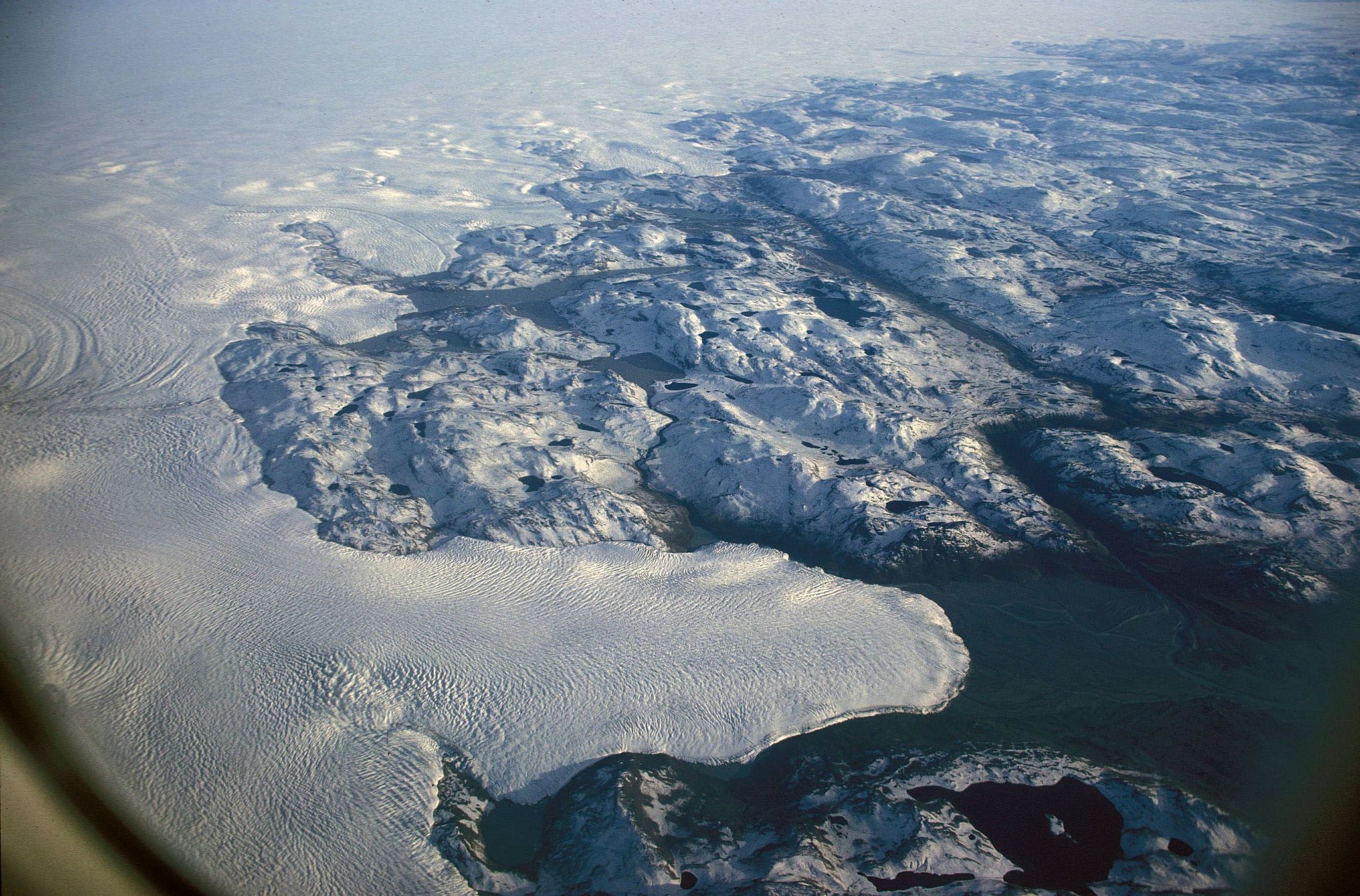
Greenland is a land of extremes, where towering glaciers meet the Arctic Ocean and ice defines both the landscape and the rhythm of life. Among its most striking features are islands surrounded by perennial ice, places where frozen seas persist year round and shape one of the harshest yet most beautiful environments on Earth. These ice locked islands offer a rare glimpse into a world dominated by cold, silence, and raw natural power.
What Does Perennial Ice Mean
Perennial ice refers to sea ice that remains frozen throughout the entire year, never fully melting even during the warmest summer months. Around parts of Greenland, especially in the northern and eastern regions, islands are encircled by this permanent ice cover.
This constant presence of ice limits access, shapes ecosystems, and influences global climate patterns. Islands surrounded by perennial ice are among the most isolated places on the planet.
Greenland’s Ice Surrounded Islands
Many small islands off Greenland’s coast are trapped within thick sea ice for most or all of the year. These islands are often found near massive fjords where glaciers flow directly into the ocean. The ice surrounding them can include solid sea ice, drifting ice floes, and towering icebergs calved from nearby glaciers.
Because of this frozen barrier, some islands remain largely untouched by human activity, preserving pristine Arctic landscapes that have changed little over thousands of years.
Formation of Perennial Sea Ice
Perennial ice forms in regions where temperatures remain consistently low and sunlight is limited for much of the year. In Greenland, long polar nights, cold ocean currents, and constant glacial input create ideal conditions for permanent ice formation.
As glaciers release freshwater into the sea, it helps stabilize sea ice by lowering salinity near the surface. Over time, layers of ice build up, becoming thicker and more resistant to summer melting.
Life in an Ice Dominated Environment
Despite the extreme conditions, islands surrounded by perennial ice support unique forms of life. Polar bears, seals, and walruses rely on sea ice as hunting and resting platforms. Seabirds nest on rocky cliffs during short summers, while Arctic foxes roam the frozen terrain.
Marine life thrives beneath the ice as well. Algae grow on the underside of sea ice, forming the base of a food web that supports fish, seals, and larger predators.
Human Presence and Exploration
Human habitation on these ice locked islands is rare. Indigenous Inuit communities traditionally lived along Greenland’s coast, adapting to the frozen environment through hunting, fishing, and seasonal movement. However, islands surrounded by year round ice are often too inaccessible for permanent settlements.
Today, these islands are mainly visited by scientists and researchers studying climate change, glaciology, and Arctic ecosystems. Occasional expedition cruises may pass nearby, but access remains limited and highly regulated.
Climate Change and Perennial Ice
Perennial ice around Greenland is a critical indicator of climate stability. Scientists closely monitor these ice covered islands to track changes in sea ice thickness and extent. In recent decades, some areas have experienced reduced ice coverage during summer, raising concerns about long term environmental impacts.
The loss of perennial ice could disrupt ecosystems, increase coastal erosion, and accelerate global sea level rise. These islands serve as natural laboratories for understanding how warming temperatures affect the Arctic.
Why These Islands Matter
Islands surrounded by perennial ice are more than remote geographic features. They play an important role in regulating Earth’s climate by reflecting sunlight back into space and helping maintain cold ocean temperatures.
They also represent some of the last truly untouched environments on the planet. Protecting these regions is essential for preserving biodiversity and gaining insight into Earth’s climatic future.
Natural Beauty and Scientific Value
The visual beauty of an ice bound island in Greenland is unmatched. Endless white horizons, jagged ice formations, and dramatic Arctic light create scenes that feel almost unreal. For scientists, these islands offer invaluable data about ice dynamics, ancient climate records, and the resilience of life in extreme conditions.
An island surrounded by perennial ice in Greenland stands as a symbol of Earth’s frozen frontier. Isolated, powerful, and fragile, these islands reveal the true scale of nature’s extremes. As climate change continues to reshape the Arctic, understanding and protecting these ice locked worlds becomes more important than ever. They are not only remnants of a colder past but also key indicators of the planet’s future.
