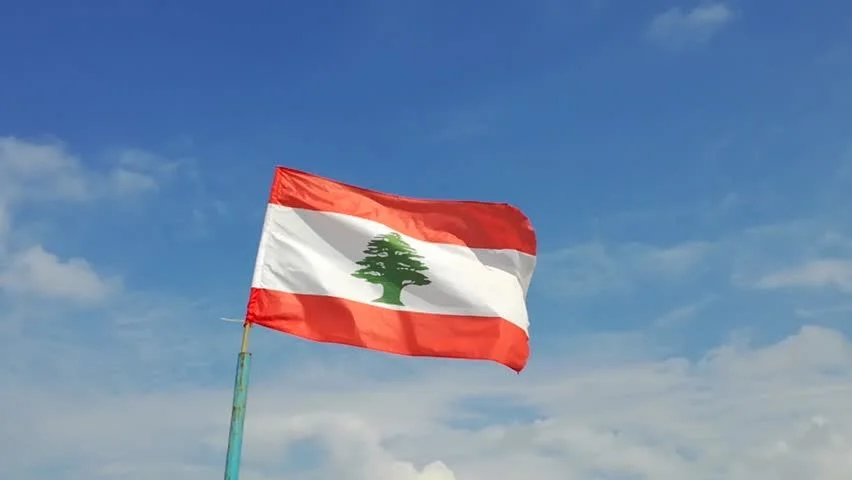



The Lebanese cedar tree (Cedrus libani) is not only a natural wonder but also the central and most distinctive element of Lebanon’s national flag one of the few flags in the world that features a specific tree species as its primary emblem.
Also See : Austria’s Eternal Ice Cave A Magical Wonder from the Underground
Adopted in 1943 upon independence, the flag consists of two red horizontal stripes (symbolizing the blood of martyrs and the struggle for freedom) framing a white central stripe, with a single stylized green cedar tree in the middle. The cedar represents:
- Strength, eternity, and immortality qualities drawn from ancient texts, including the Bible, where Lebanese cedars are praised over 70 times as symbols of grandeur and divine favor
- Lebanon’s enduring spirit surviving centuries of invasions, deforestation, and modern challenges while remaining a source of national pride
- The remaining ancient groves (like the Cedars of God) that inspired the design and are now protected UNESCO sites
What makes this flag truly unique, It directly links a modern nation to one of the oldest botanical symbols in human history, turning a rare, high-altitude tree into an instantly recognizable emblem of identity and perseverance.
