
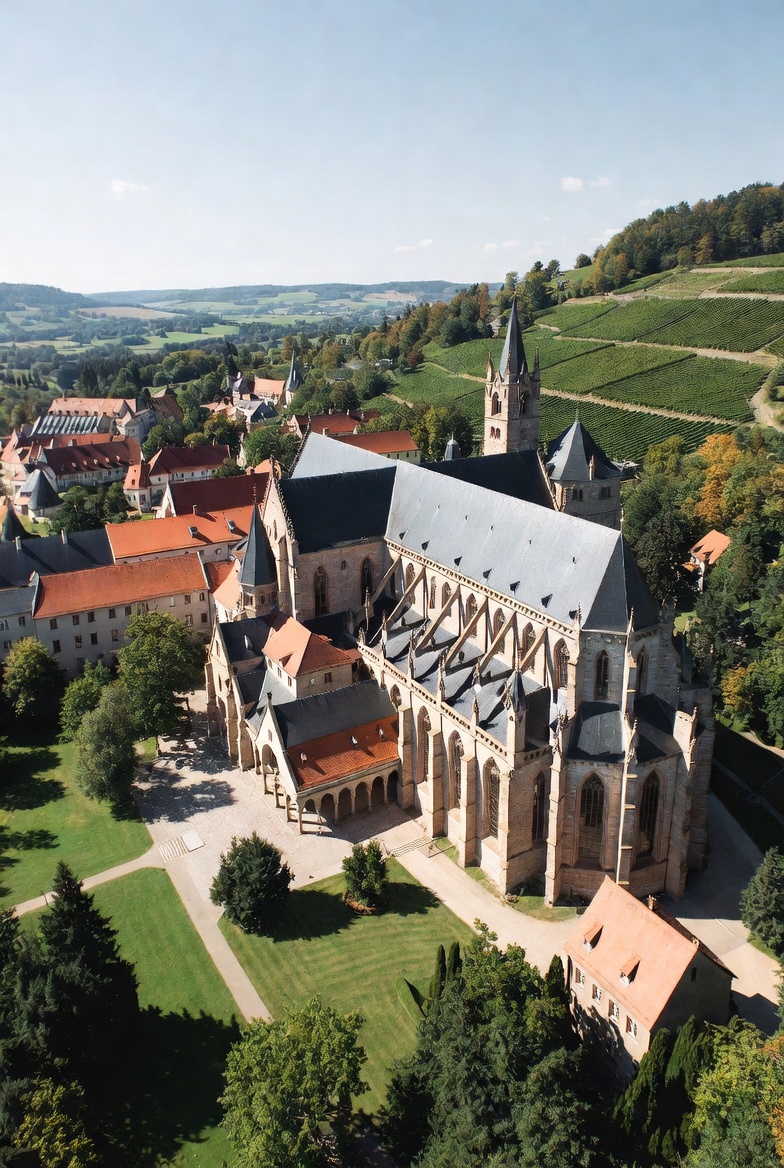
Maulbronn Monastery (Kloster Maulbronn) in Baden-Württemberg is one of the most complete and authentic medieval monasteries in Europe, a UNESCO World Heritage site founded in 1147 that has survived nearly intact for over 850 years. This Cistercian complex features Gothic cloisters, a famous “Paradise” porch, and a working winery, offering a peaceful glimpse into monastic life. Among unique German historical sites, Maulbronn stands out for its architectural purity and literary connections (Hermann Hesse studied here).
The Architectural and Cultural Significance of Maulbronn
Built in Romanesque-Gothic transition style, the monastery includes a fortified wall, church, refectory, dormitories, and the earliest preserved Gothic fountain house in Germany. The “Paradise” porch is a masterpiece of early Gothic sculpture. It remained largely unchanged after the Reformation when it became a Protestant school.
What Makes Maulbronn Monastery Unique?
Unlike many restored monasteries, Maulbronn retains its original medieval layout and details, with no major reconstructions. The serene cloister walks, rose garden, and vineyard surroundings create a timeless atmosphere. Its influence on German literature (Hesse’s “Beneath the Wheel” draws from his time here) adds cultural depth.
Tips for Visiting Maulbronn Monastery
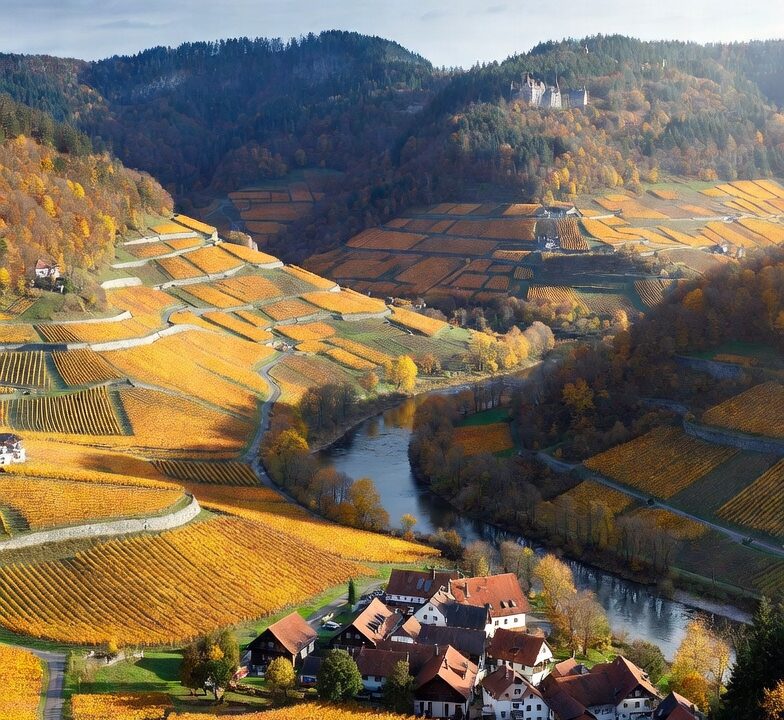
Guided tours (in German/English) reveal hidden details; audio guides are available. Visit in spring for blooming gardens or autumn for golden vineyard views. Pair it with a wine tasting from the on-site winery or a hike in the surrounding Stromberg-Heuchelberg Nature Park.
Ultimately, Maulbronn Monastery captures the serene and perfectly preserved essence of unique German medieval heritage, ideal for history lovers, photographers, and those seeking quiet reflection.
