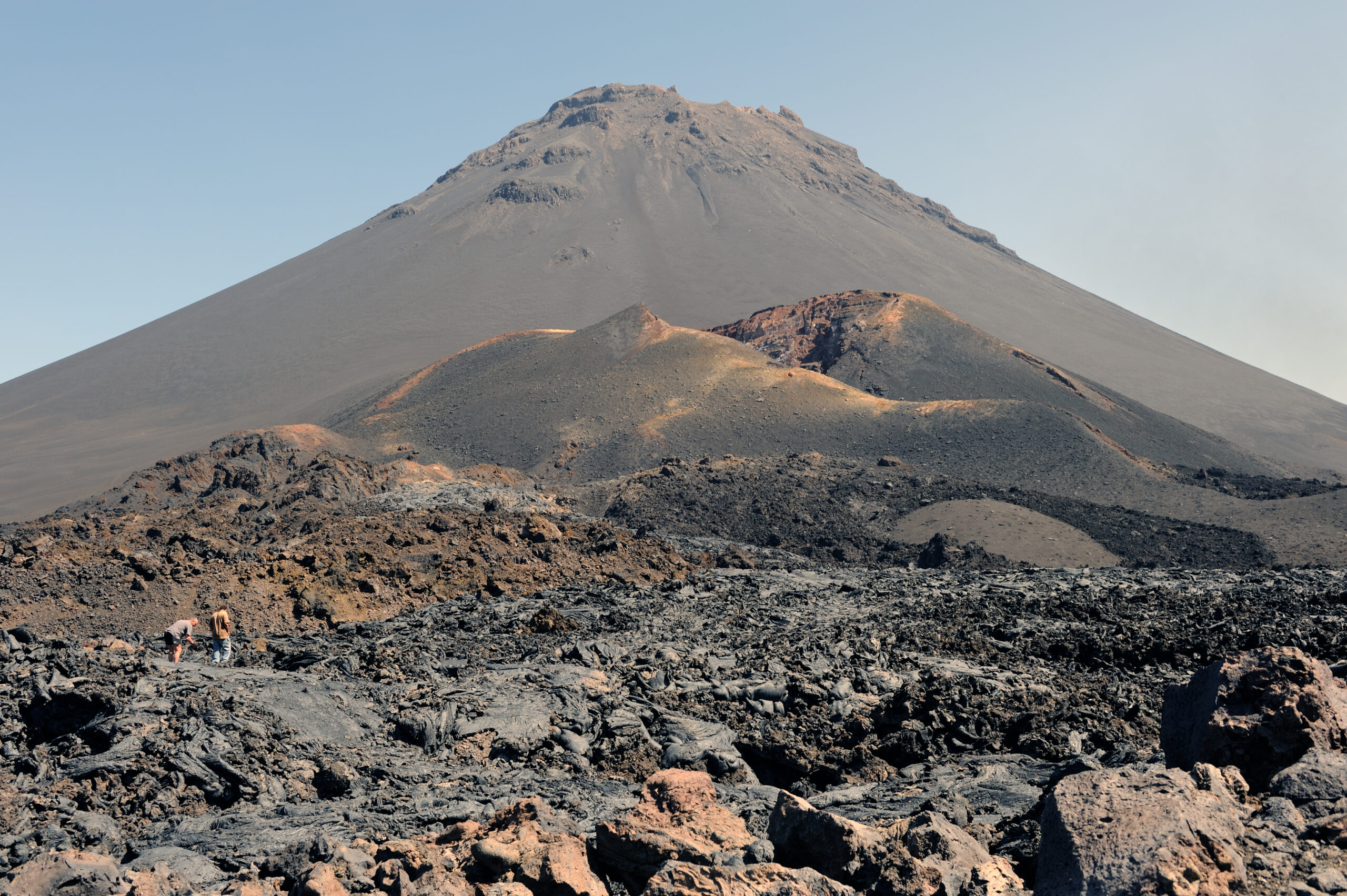
Rising dramatically from the island of Fogo in Cape Verde, Pico do Fogo is a breathtaking stratovolcano that often appears permanently draped in clouds and mist. At 2,829 meters (9,281 feet), it’s the highest peak in the archipelago and an active volcano whose summit is frequently shrouded in ethereal clouds, creating a mystical, otherworldly atmosphere.
Why Is Pico do Fogo Often Covered in Clouds?
The mountain’s cloud shroud is due to its height and location in the Atlantic trade winds:
- Moist air from the ocean rises against the steep slopes, cooling and condensing into persistent clouds and fog around the upper elevations.
- This orographic effect creates a near-constant veil, especially on the windward side, giving the peak its “permanently draped” appearance.
- On clearer days, the contrast with the black volcanic landscape is stunning, but misty views are the norm for many visitors.
The Dramatic Landscape: Inside the Massive Caldera
Pico do Fogo sits within a huge 9-km-wide caldera (Chã das Caldeiras), formed by ancient collapses. The crater floor hosts villages, vineyards, and lava fields from past eruptions.
Highlights include:
- Black volcanic ash and lava flows: A lunar-like terrain perfect for hiking.
- The summit crater (Pico Pequeno): A smaller cone inside with fumaroles and recent lava.
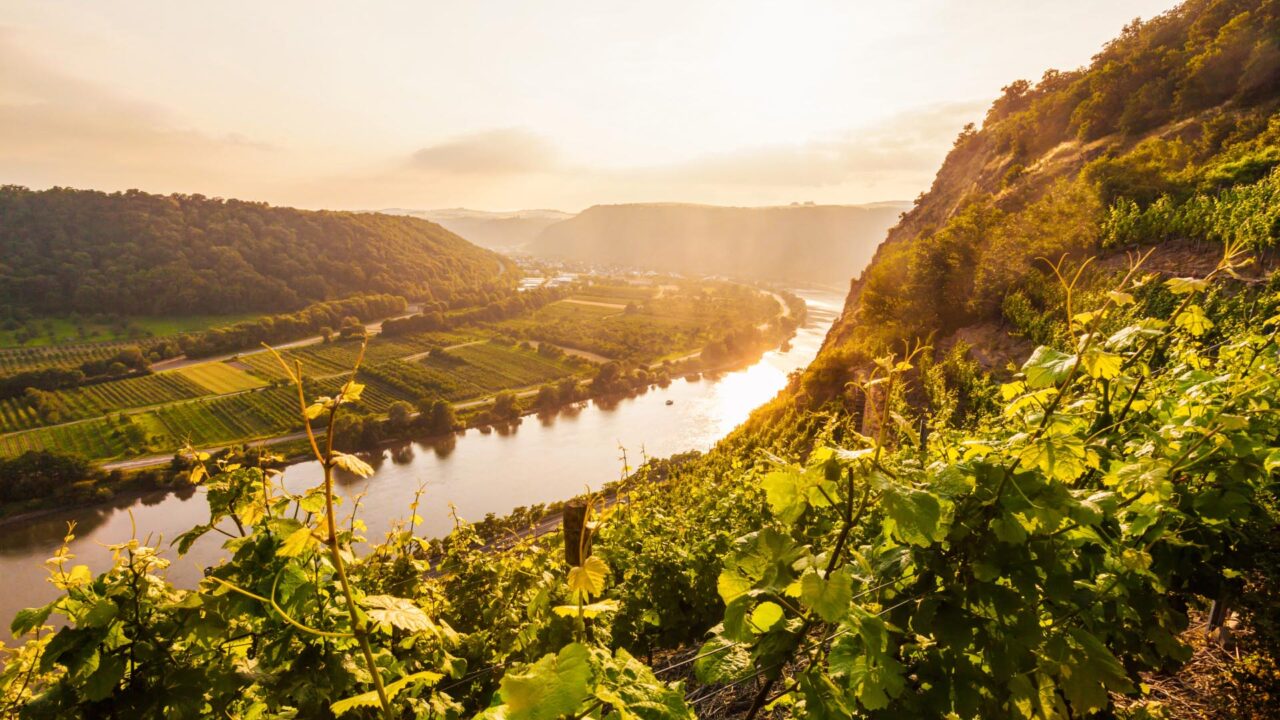
- Chã das Caldeiras villages: Resilient communities like Bangaeira and Portela, rebuilt after eruptions, famous for volcanic wine (vines grown in ash soil).
Hiking to the Summit: An Unforgettable Adventure
Climbing Pico do Fogo is a bucket-list trek, starting from Chã das Caldeiras:
- Duration: 4-6 hours up, 2-3 hours down (guided recommended).
- Difficulty: Steep and loose scree, but rewarding views over the caldera and ocean if the clouds part!
- Best time: Dry season (November-May) for clearer skies, though mist adds magic.
Volcanic History and Activity
“Fogo” means “fire” in Portuguese fitting for Cape Verde’s only active volcano. Its last eruption in 2014-2015 destroyed parts of Chã das Caldeiras but spared lives, with lava flows visible today. Previous major events include 1680 and 1995.
Despite risks, locals embrace the fertile volcanic soil for coffee, fruits, and award-winning wine.
Pico do Fogo’s cloud-draped majesty, dramatic black landscapes, and resilient spirit make it one of Africa’s most captivating natural wonders. Whether hiking through mist or sipping volcanic wine in the caldera, this mountain offers an unforgettable escape.
