




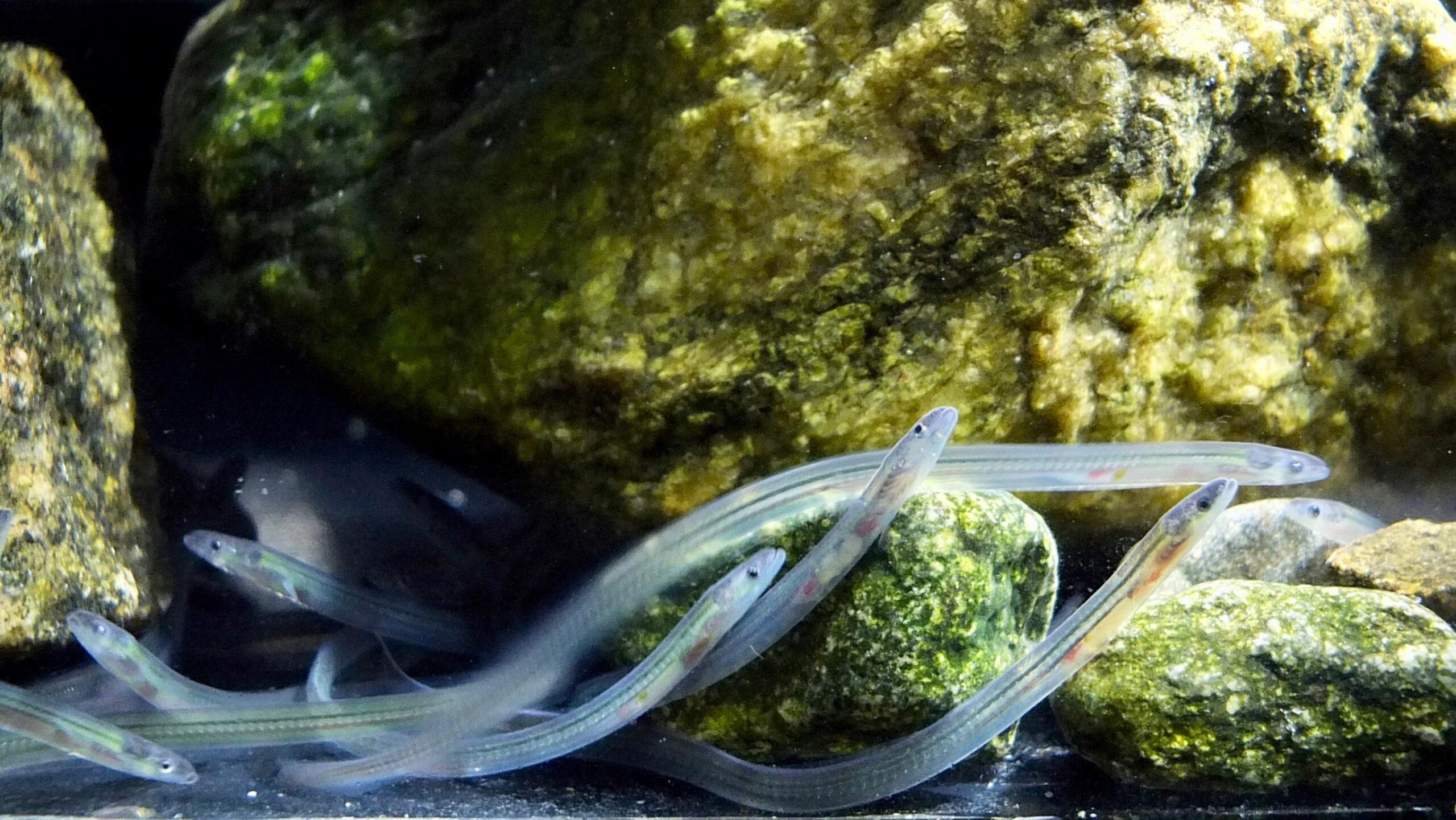
The glass eel is one of the most fascinating animals in the aquatic world because of its glass like transparent body. At first glance, this young stage of an eel looks almost unreal, as its internal organs are visible through its clear skin. This unusual appearance has captured the attention of scientists, fishermen, and nature enthusiasts, making the glass eel a remarkable example of adaptation and survival in aquatic ecosystems.
A glass eel is not a separate species but a juvenile life stage of several eel species, including the European eel and the American eel. After hatching in the open ocean, eel larvae drift for months on ocean currents before transforming into glass eels. At this stage, their bodies are slender, flexible, and almost completely transparent, giving them their distinctive name.
The transparent body of the glass eel plays an important role in its survival. In the open water, transparency helps reduce visibility to predators. Without strong coloration or patterns, glass eels can blend into their surroundings more easily. Light passes through their bodies, making them harder to detect in both shallow coastal waters and river mouths where they begin their migration.
Glass eels are known for their incredible migratory journeys. After drifting across vast distances in the ocean, they gather near coastal areas and begin swimming into rivers, estuaries, and freshwater systems. This upstream migration is a critical moment in their life cycle. During this phase, their transparent bodies slowly become more pigmented as they develop into elvers and eventually adult eels.
The life cycle of eels is one of the most complex in the animal kingdom. Adult eels live for many years in freshwater or coastal habitats before returning to the ocean to reproduce. After spawning, the adults die, and the next generation begins its journey as tiny larvae. The glass eel stage represents a key transitional phase between the open ocean and inland waters.
Because of their unique appearance and ecological importance, glass eels are highly valued in scientific research. Studying their transparency helps scientists understand how pigmentation develops and how animals adapt to different environments during growth. Their migration patterns also provide insight into ocean currents, climate change, and the health of aquatic ecosystems.
Glass eels also have economic significance in some regions. In parts of Europe and Asia, they are harvested for aquaculture, where they are raised into adult eels for food production. However, overfishing and habitat loss have caused serious declines in eel populations. As a result, conservation efforts are increasingly focused on protecting glass eels during their vulnerable migration stage.
Environmental changes pose major challenges for glass eels. Dams, pollution, and climate shifts can disrupt their migration routes and reduce survival rates. Since glass eels depend on both marine and freshwater environments, they are particularly sensitive to ecological damage. Protecting rivers, estuaries, and ocean habitats is essential for ensuring the future of these remarkable animals.
In conclusion, the glass eel stands out as a truly unique animal with a body that resembles clear glass. Its transparency is not only visually striking but also a vital survival adaptation during one of the most important stages of its life. By understanding and protecting glass eels, we gain deeper insight into the delicate balance of aquatic ecosystems and the incredible diversity of life beneath the water’s surface.
