
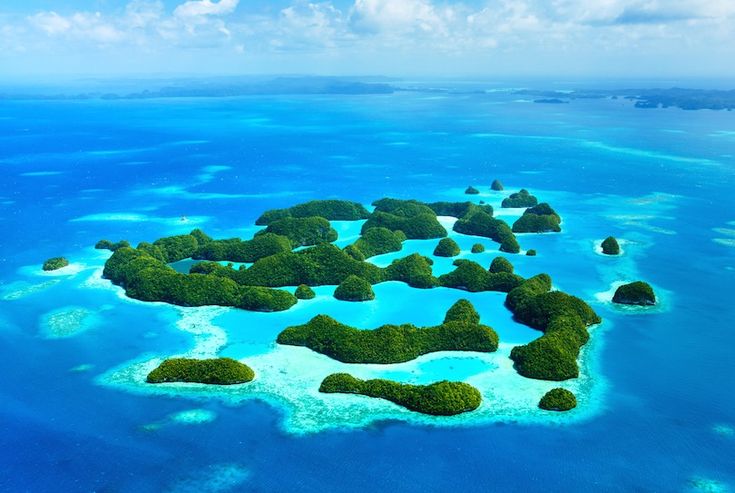
Across the vast expanse of the Pacific Ocean, there are islands that remain untouched by permanent human settlement. Among the most remarkable of these are uninhabited Pacific islands filled with birds. These remote locations serve as critical sanctuaries for seabirds and other avian species, offering a rare glimpse into ecosystems that function almost entirely without human interference. Their isolation has allowed bird populations to thrive in ways that are increasingly rare in the modern world.
Uninhabited Pacific islands are often small, rugged, and difficult to access. Many lack fresh water sources or arable land, making them unsuitable for long term human habitation. However, these same conditions create an ideal environment for birds. With no cities, roads, or predators introduced by humans, birds can nest, breed, and forage with minimal disturbance. As a result, some islands host tens or even hundreds of thousands of birds during breeding seasons.
Seabirds such as albatrosses, frigatebirds, boobies, terns, and petrels are commonly found on these islands. They spend most of their lives flying over the open ocean, returning to land only to breed. Uninhabited islands provide safe nesting grounds where eggs and chicks are less likely to be threatened by land based predators. Cliffs, sandy beaches, and dense shrubs offer a variety of nesting habitats suited to different species.
One of the most important features of these bird filled islands is their role in global bird migration and reproduction. Many species travel thousands of kilometers across the Pacific and rely on specific islands to complete their life cycles. If these nesting sites were lost or disturbed, entire populations could decline rapidly. For this reason, conservationists consider uninhabited Pacific islands to be essential for maintaining healthy bird populations worldwide.
Bird activity has a powerful influence on the island environment itself. Large colonies deposit nutrient rich guano onto the soil, which fertilizes plants and supports unique vegetation. This process helps sustain insects and other small organisms, creating a complete ecosystem driven largely by birds. In this way, birds are not just inhabitants of the island but key engineers of the ecosystem.
The absence of humans also allows natural behaviors to be observed more clearly. Birds on uninhabited islands often show little fear of humans, as they have not evolved to see people as predators. Scientists studying these populations gain valuable insights into natural breeding patterns, social behavior, and survival strategies that are difficult to observe in disturbed environments.
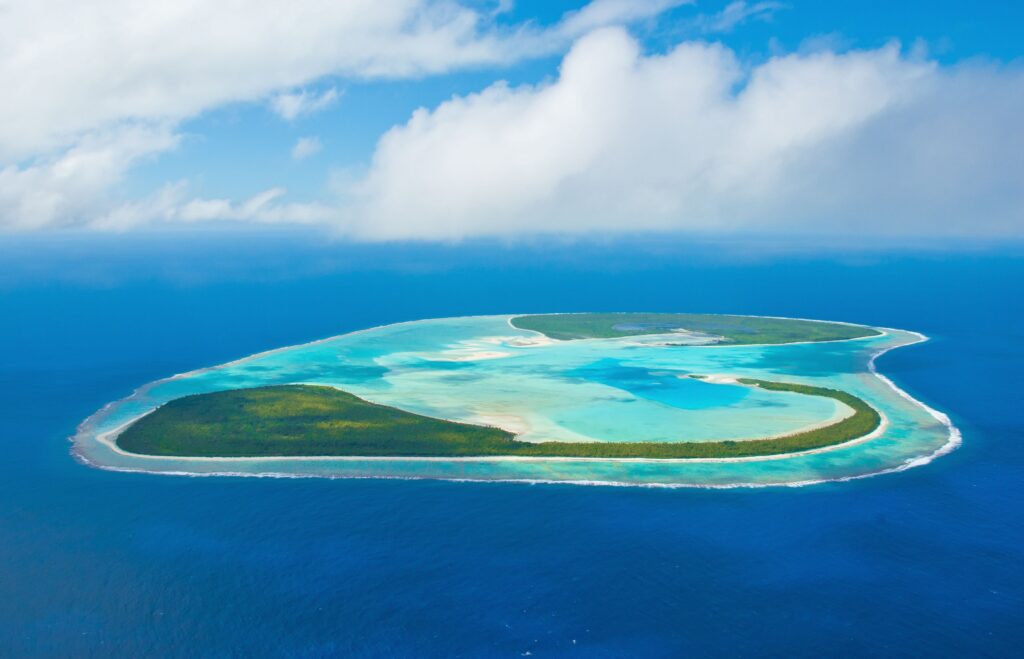
Despite their remoteness, uninhabited Pacific islands face growing threats. Climate change is one of the most serious challenges. Rising sea levels can flood low lying nesting areas, while stronger storms can destroy nests and vegetation. Changes in ocean temperature also affect fish populations, reducing food availability for seabirds. Plastic pollution carried by ocean currents can accumulate on even the most isolated shores, posing risks to birds that mistake debris for food.
To protect these vital ecosystems, many uninhabited islands are designated as wildlife reserves or protected areas. Conservation efforts focus on preventing invasive species such as rats from reaching the islands, monitoring bird populations, and limiting human access. In some cases, scientists and conservation groups work to restore damaged islands by removing invasive predators and reestablishing native plants.
Uninhabited Pacific islands filled with birds represent some of the last truly wild places on Earth. They remind us of what nature can achieve when left undisturbed and highlight the importance of conservation in a rapidly changing world. By protecting these islands, humanity helps ensure the survival of countless bird species and preserves ecosystems that have existed for thousands of years.
In conclusion, these remote Pacific islands are far more than empty land surrounded by water. They are living sanctuaries, shaped by wings, calls, and migrations. Their dense bird populations play a crucial role in global biodiversity, making uninhabited Pacific islands some of the most important natural environments on the planet.
