The Black Sea, bordering the stunning coastlines of Georgia, is renowned for its enigmatic dark hue, a phenomenon largely attributed to thriving microorganisms. This natural wonder draws scientists, tourists, and nature enthusiasts alike, offering a glimpse into the intricate balance of marine ecosystems. In this article, we’ll delve into the science behind the dark waters, the role of microorganisms, and why this makes the Black Sea a must-visit destination for eco-tourists. Whether you’re planning a trip to Batumi or simply curious about oceanic mysteries, understanding this unique feature enhances appreciation for Georgia’s coastal treasures.
The Geography and History of the Black Sea in Georgia
Nestled between Europe and Asia, the Black Sea spans approximately 436,400 square kilometers, with Georgia claiming about 310 kilometers of its eastern shoreline. Cities like Batumi and Poti serve as gateways to this body of water, where the dark tint becomes apparent, especially in calmer conditions. Historically, the Black Sea has been a vital trade route since ancient times, mentioned in Greek myths as the “Inhospitable Sea” due to its stormy nature and mysterious depths.
The name “Black Sea” itself has puzzled historians. Some attribute it to the dark storms that frequently brew over its surface, while others point to the anoxic (oxygen-deprived) layers deep below, which preserve ancient shipwrecks remarkably well. In Georgia, the sea’s influence extends to local culture, with folklore tales of sea spirits and bountiful fisheries. However, the modern fascination lies in its biological secrets, particularly the microorganisms that color its waters.
The Science Behind the Dark Hue: Microorganisms at Play
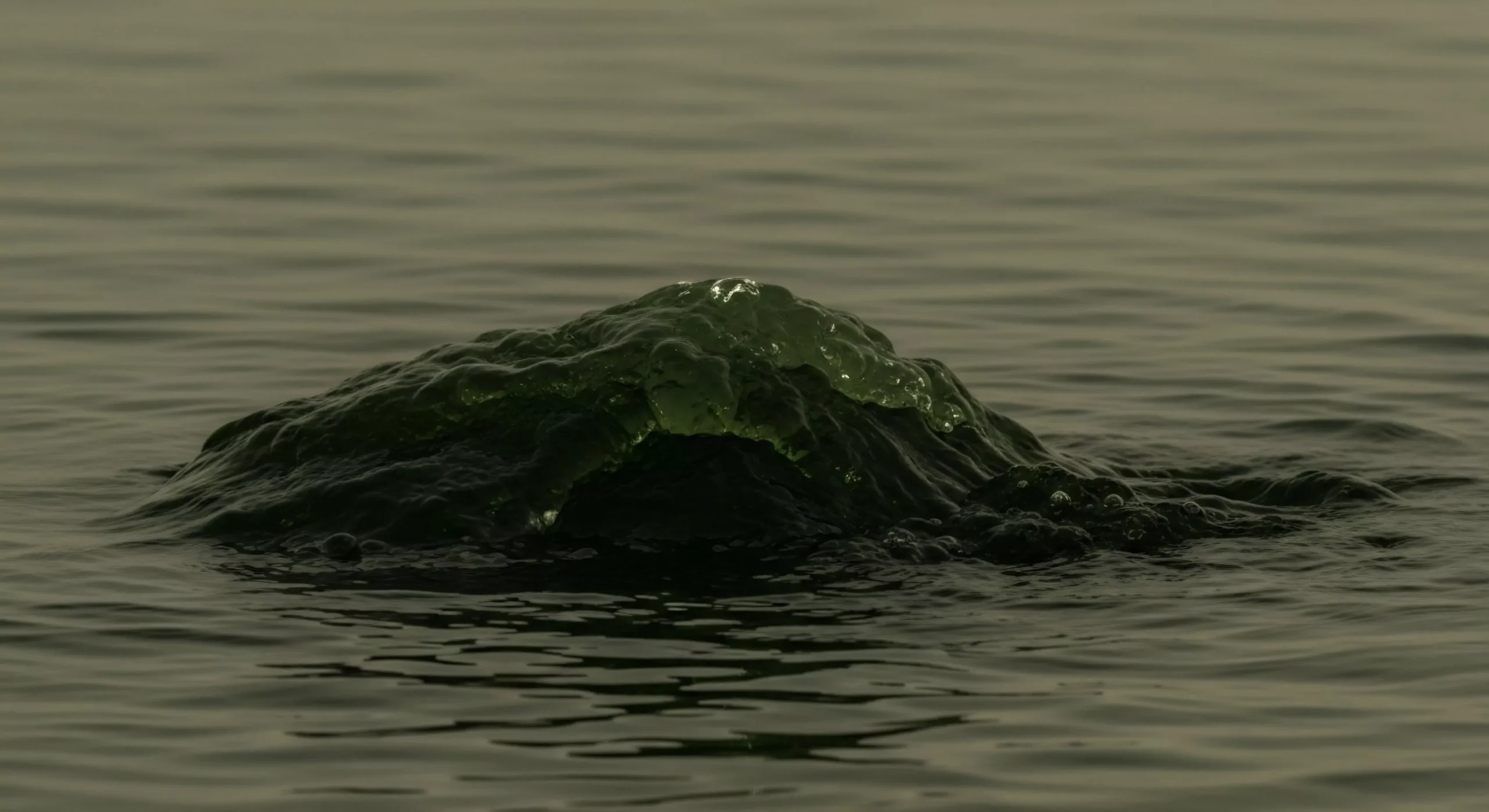
The striking dark water hue of the Black Sea in Georgia stems primarily from phytoplankton and other microorganisms. These tiny organisms, including algae and bacteria, absorb sunlight and reflect less light, giving the water a deep, inky appearance. In eutrophic conditions—where nutrient levels are high due to river inflows like the Rioni and Chorokhi—blooms of these microbes proliferate.
Phytoplankton such as dinoflagellates and diatoms thrive here, fueled by phosphorus and nitrogen from agricultural runoff and urban waste. This leads to what scientists call “subsurface eutrophication,” where biomass accumulates near the water’s surface, enhancing the dark coloration. Unlike clearer seas like the Mediterranean, the Black Sea’s stratified layers prevent deep mixing, allowing these organisms to dominate the upper echelons.
Research from the Georgian National Academy of Sciences highlights how hydrogen sulfide in deeper anoxic zones indirectly supports surface microbes by recycling nutrients. This creates a feedback loop, intensifying the hue. Climate change exacerbates this, with warmer temperatures promoting more frequent blooms, sometimes leading to hypoxic events where oxygen levels drop, affecting fish populations.
Ecological Impacts and Biodiversity
The microorganism-driven dark waters have profound ecological implications. On the positive side, they support a rich food web. Plankton forms the base, feeding zooplankton, which in turn sustains fish like anchovies and sprats staples of Georgian cuisine. The dark hue also provides camouflage for marine life, aiding predator-prey dynamics.
However, excessive blooms can lead to “dead zones.” In Georgia’s coastal areas, thermal pollution from industrial discharges warms the water, accelerating microbial growth and depleting oxygen. This has impacted species like the Black Sea bottlenose dolphin and various seabirds. Conservation efforts, such as those by the Black Sea Commission, aim to monitor and mitigate pollution, ensuring biodiversity thrives.
Tourists visiting Georgia’s Black Sea coast can witness this firsthand through boat tours or diving excursions, where the dark waters reveal underwater forests of seagrass teeming with life.
Tourism and Cultural Significance in Georgia
Georgia’s Black Sea region is a burgeoning tourist hotspot, with the dark waters adding an allure of mystery. Batumi’s boulevard offers panoramic views, where the sea’s hue shifts from deep blue-black to emerald under sunlight. Eco-tourism initiatives promote sustainable practices, like guided kayaking trips that educate on microbial ecosystems.
Culturally, the sea influences festivals such as the Batumi Black Sea Jazz Festival, where the dark backdrop enhances nighttime events. Local cuisine features seafood adapted to the ecosystem, like khinkali dumplings stuffed with Black Sea fish. For SEO-savvy travelers searching “Black Sea Georgia dark water,” accommodations range from luxury resorts to eco-lodges emphasizing environmental education.
Preservation is key; organizations like WWF work with Georgian authorities to combat overfishing and pollution, preserving this natural spectacle for future generations.
Future Prospects and Conservation Efforts
Looking ahead, climate models predict intensified microbial activity in the Black Sea due to rising temperatures and nutrient loads. This could deepen the dark hue but also increase harmful algal blooms, posing risks to tourism and fisheries. International collaborations, including EU-funded projects, focus on water quality monitoring and sustainable agriculture to reduce runoff.
In Georgia, educational programs in schools teach about microorganisms’ role, fostering a new generation of environmental stewards. For those interested in “microorganisms Black Sea hue,” scientific cruises offer immersive experiences, combining research with adventure.
In conclusion, the Black Sea’s dark waters in Georgia are a testament to nature’s complexity, driven by microorganisms that paint a vivid ecological story. Whether for science, travel, or curiosity, this phenomenon invites exploration and respect.
